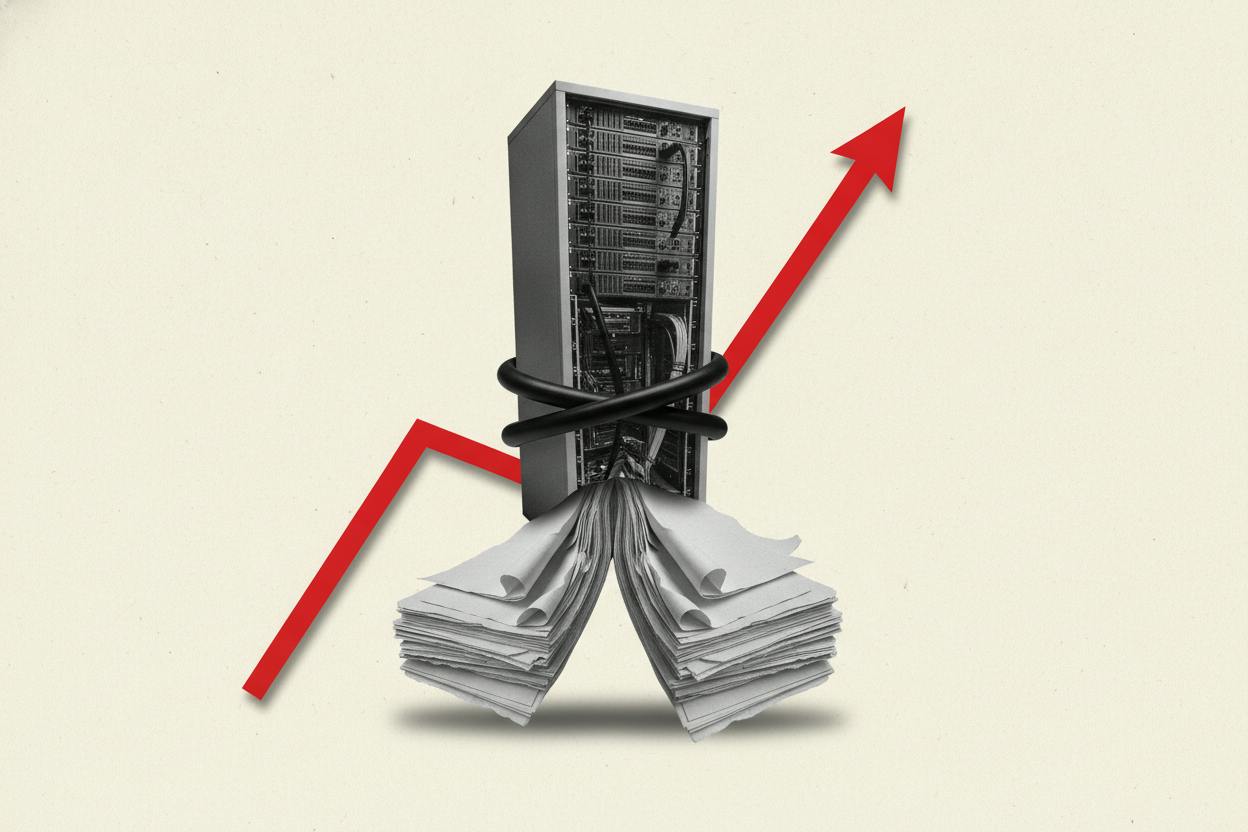
The artificial intelligence boom has been built on a simple promise: spend big now, reap rewards later. But as interest rates climb and the cost of cutting-edge chips soars, that promise is being tested. Investors are starting to ask a blunt question: can the AI boom generate enough cash to pay for the infrastructure it still needs?
The pressure is showing in concrete ways. OpenAI, the company behind ChatGPT, has reportedly reset its revenue expectations, a move that signals even the most prominent AI player is feeling the squeeze. Meanwhile, Nvidia-backed Firmus, a data center company, shelved a planned $5 billion IPO in Australia, opting instead to seek private funding. Both developments point to a broader shift in sentiment: the era of unlimited AI spending may be coming to an end.
Why the funding bill is coming due
AI companies have spent heavily on the physical backbone of the technology—data centers packed with powerful chips, often from Nvidia. These facilities are expensive to build and operate, and the costs are only rising. At the same time, interest rates have moved higher, making borrowing more expensive and forcing investors to demand better returns on their money.
This combination is creating a funding squeeze. Companies that once could raise money easily on the promise of future growth are now being asked to show how they'll actually generate cash. For many, that's a difficult question to answer. AI services are often sold at prices that don't yet cover the cost of the computing power behind them.
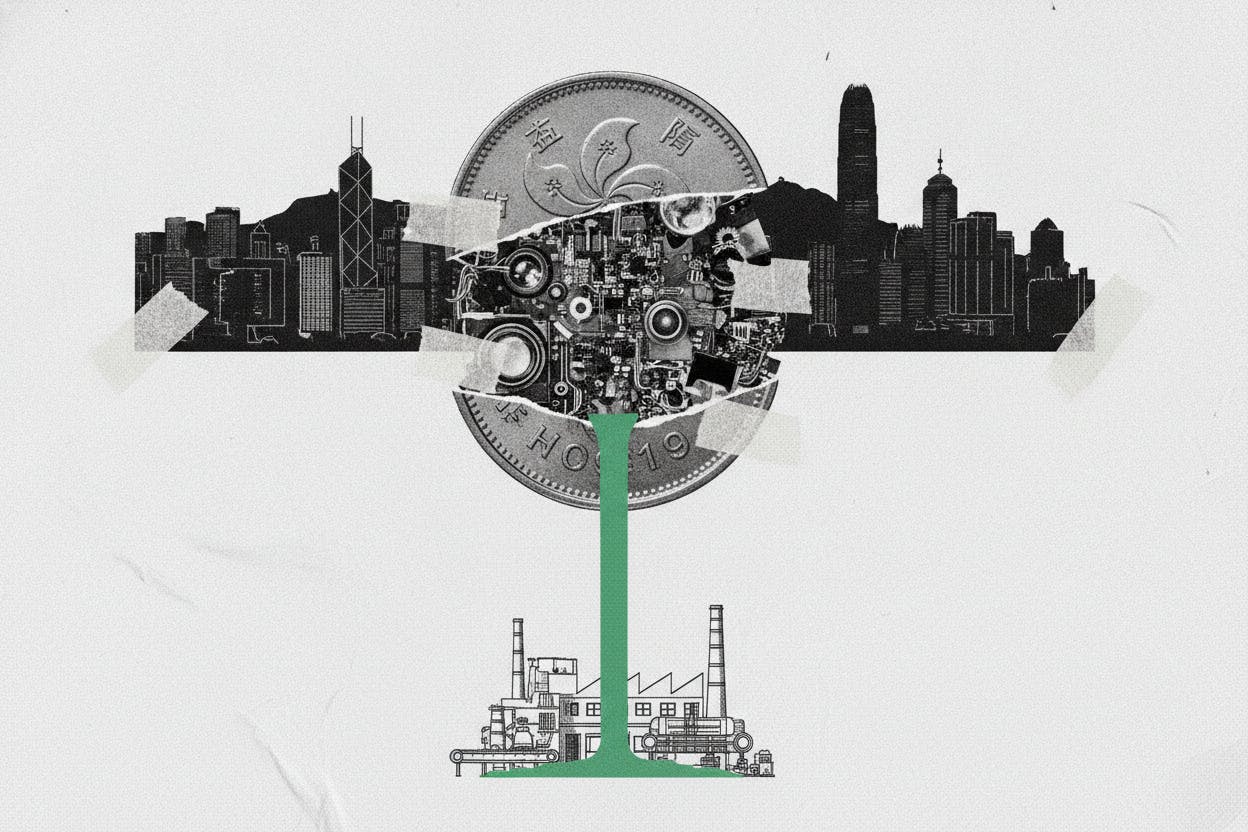
The shelved Firmus IPO is a case in point. The company, which builds and operates data centers for AI workloads, had planned to raise $5 billion on the Australian stock exchange. But with investors increasingly wary of AI's cash-burn profile, the company pulled back and is now looking to private investors instead. This mirrors a broader trend in the IPO market, where investors are demanding lower prices and more evidence of profitability before committing capital.
What this means for investors
For everyday investors, this shift has several implications. First, it's a reminder that AI is not a guaranteed money-maker. The technology may be transformative, but the companies building it still need to turn a profit. As rates rise, the cost of capital goes up, and that puts pressure on all high-growth, low-cash-flow businesses.
Second, the news could weigh on the broader stock market. AI-related stocks have been a major driver of market gains in recent years, and any sign that the sector is struggling can drag down indices. Indeed, worries about OpenAI's funding have already contributed to a dip in the Nasdaq.
Third, it's worth watching how companies respond. Some may cut costs, others may raise prices, and still others may seek alternative funding sources, like private equity or debt. The move by Firmus to pursue private funding is one example of how companies are adapting.
What to watch next
Investors should keep an eye on a few key indicators. First, how quickly AI companies can grow revenue without proportionally growing costs. Second, whether data center operators can secure long-term contracts that guarantee cash flow. Third, how central banks handle interest rates—some expect rates to stay elevated, which would keep the pressure on.
Also worth watching is the broader IPO market. If more companies follow Firmus's lead and pull back from public listings, it could signal that the window for AI-related IPOs is closing, at least for now.
Ultimately, the AI boom isn't over, but it's maturing. The days of easy money are fading, and investors are demanding more discipline. For those with exposure to AI stocks, the key is to focus on companies with clear paths to profitability, not just exciting technology. As always, diversification remains a smart strategy, especially in a sector as volatile as AI.