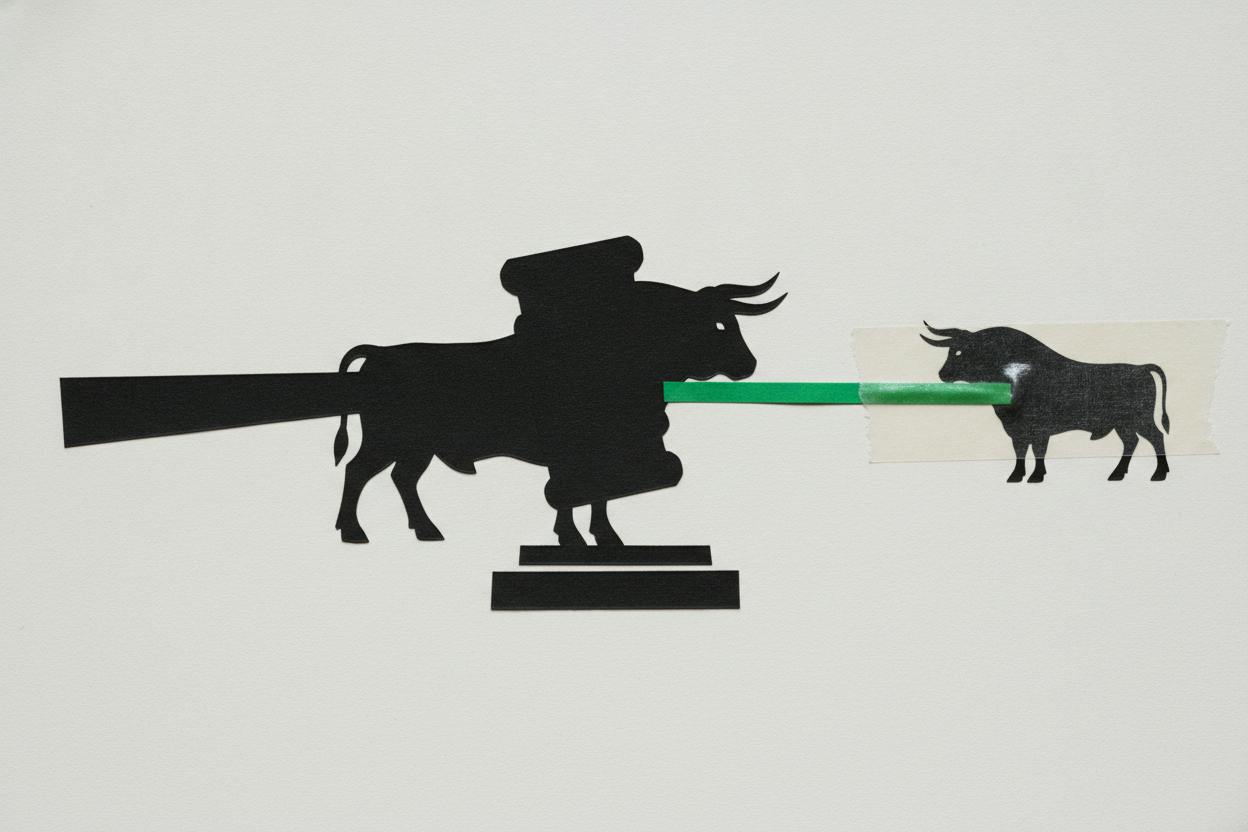
Chip stocks slipped and broader markets edged lower on Tuesday as investors turned their attention to a wave of earnings from some of the biggest names in technology. Alphabet, Amazon, Meta, and Nvidia are all set to report in the coming days, and the market is looking for evidence that the enormous sums being poured into artificial intelligence are starting to generate real revenue.
After a year-long rally fueled by AI optimism, investors are getting pickier. It is no longer enough for companies to say that spending on data centers is rising; they now have to show when that spending will translate into sales. That shift in sentiment is why shares of Nvidia and AMD often soften ahead of results from the so-called hyperscalers, according to Gerry Sparrow of Sparrow Capital Management.
What are hyperscalers and why do they matter?
Hyperscalers are the largest cloud-computing companies—think Alphabet's Google Cloud, Amazon Web Services, and Microsoft Azure. They operate massive data centers that power much of the internet and, increasingly, the AI services that tech giants are racing to build. Their earnings calls are closely watched because they typically include updates on capital expenditure, or capex, which is the big, long-term spending on chips, servers, and data centers. They also offer early signals on how they plan to make money from AI features.
If that timeline looks fuzzy, markets tend to knock down valuations for companies whose payoff is expected further in the future, even if near-term demand for AI hardware is still healthy. This is a classic case of investors demanding a higher return for waiting longer to see cash flows.
What it means for investors
For everyday investors, the key takeaway is that chip stocks falling more than 1% can act as a confidence check on Big Tech's AI payback. When chipmakers slide into major earnings, it often reflects uncertainty about the capex cycle: Are Alphabet, Amazon, and Meta still ramping up spending, and are they starting to monetize it through cloud growth, advertising, or paid AI tools?
If investors can't see cash flows arriving soon, they typically demand a higher return for waiting, which can push price-to-earnings multiples lower for what are known as "long-duration" AI winners like Nvidia and AMD. Long-duration simply means that a large portion of the company's expected profits are far in the future, so their stock prices are more sensitive to changes in interest rates and growth expectations.
This dynamic can widen the gap between winners and losers inside US tech benchmarks. Because these chip names are heavily weighted in the Nasdaq, big moves in them can swing the index more than the broader market. For investors, that means the next few days of earnings could bring volatility, especially for those with heavy exposure to tech funds or individual AI-related stocks.
The broader market context is also important. This earnings season has already seen mixed results from other sectors, as bank earnings showed some caution, and chip stocks have already slipped on concerns about AI startups chasing cash and a potential China memory threat. These cross-currents suggest that investors are not uniformly bullish on AI, and they are looking for concrete proof of returns.
For those watching the AI trade, the upcoming earnings calls will be a critical test. If the hyperscalers can show that their massive investments are starting to pay off—through cloud revenue growth, advertising strength, or new AI products—chip stocks could rebound. But if the timeline for monetization remains vague, the sell-off in chip names could deepen, and the pain might spread to other tech stocks that have ridden the AI wave.
As always, it's important to remember that markets are forward-looking. Even if current demand for AI hardware is strong, investors are pricing in what they think will happen years from now. That's why the tone of the earnings calls—especially any comments about capex plans and AI monetization—will matter more than the headline numbers.
For now, the message from the market is clear: show me the money. Investors are no longer willing to take AI spending on faith. They want to see it turn into sales, and they want to see it soon.