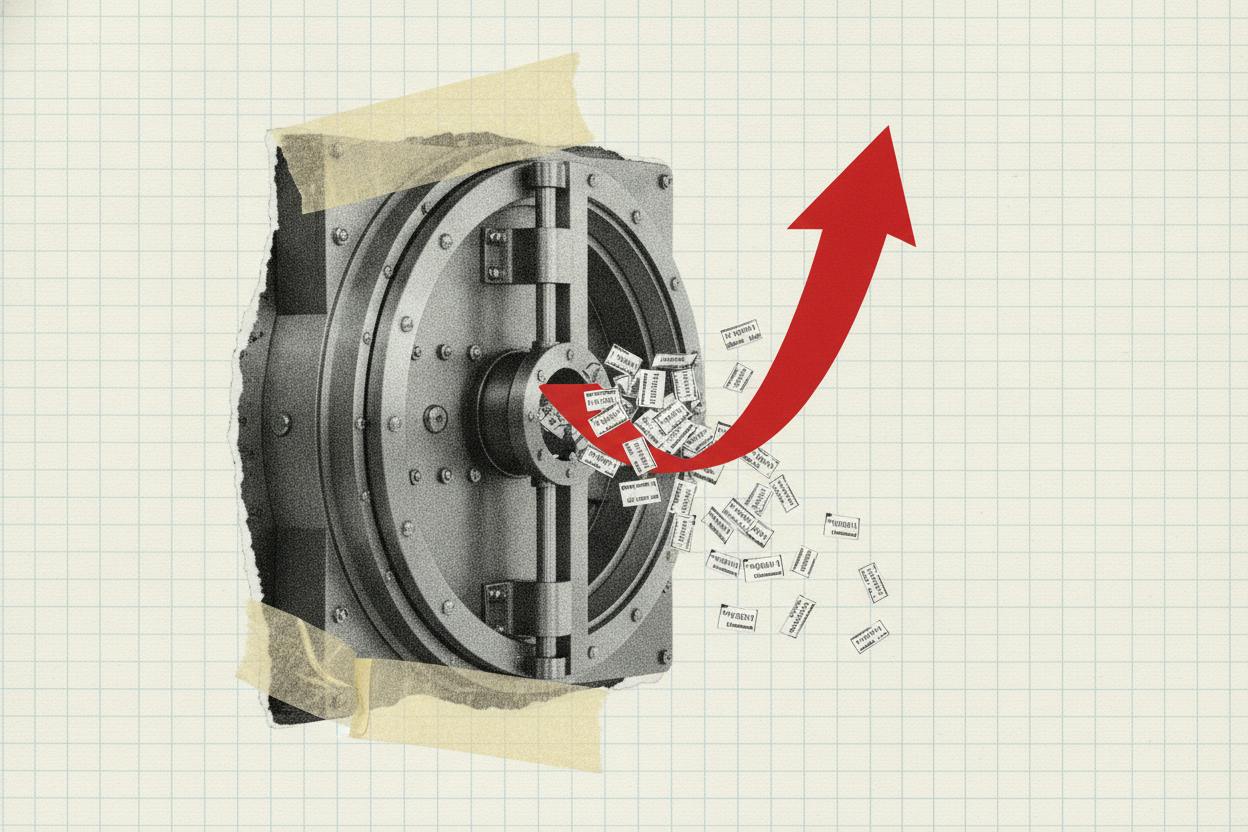
Artificial intelligence has the potential to make the world a lot richer. But it also carries a darker possibility: millions of people out of work, while the gains flow mostly to a handful of tech giants. That tension has sparked a wave of ideas for how to spread AI's benefits more fairly.
So far, the mass unemployment that many feared hasn't materialized. But AI is already starting to squeeze entry-level hiring in certain industries, and the pressure is likely to grow. Policymakers, economists, and even some tech bosses are now cooking up ways to soften the blow and share the upside. Bloomberg's Saijel Kishan recently rounded up seven such proposals. Here they are, with a look at which ones might actually work.
The seven proposals
1. AI dividends
The idea: everyone gets a slice of the pie. Just as companies pay dividends to shareholders, a government could collect a share of AI-driven profits and distribute it to all citizens. The logic is simple: if AI boosts productivity and corporate earnings, the public should benefit directly, not just the shareholders of a few tech firms.
This is a popular idea among some tech leaders, but it faces big practical hurdles. How would you fund it? How much would each person get? And would it be enough to make a real difference? Critics also worry that handing out cash could reduce the incentive to work, though studies of similar programs suggest the effect is small.
2. Universal basic income (UBI)
UBI is the granddaddy of wealth-spreading ideas: give every citizen a regular, unconditional cash payment, regardless of their job status. It's been tested in small pilots around the world, with mixed results. Some show improved wellbeing and health; others show little change in employment.
The big question is cost. A meaningful UBI would require massive tax increases or cuts to other programs. And while it could cushion the blow of job losses, it doesn't address the root cause: the concentration of AI's benefits in a few hands.
3. Tax on AI-powered work
If robots and algorithms replace human workers, why not tax the work they do? A tax on AI-driven output could raise revenue to fund social programs or pay for retraining. Some have compared it to a payroll tax on automation.
But taxing AI is tricky. How do you define "AI-powered work"? And would it slow innovation? Companies might simply move their AI operations to lower-tax jurisdictions. Still, the idea has traction in some policy circles, especially in Europe.
4. Robot tax
Similar to the AI tax, a robot tax would apply specifically to companies that replace human workers with machines. The revenue could fund education, healthcare, or a basic income. The concept gained attention a few years ago when Bill Gates suggested it.
Opponents argue it punishes productivity and could put countries at a competitive disadvantage. But as automation spreads, the idea keeps resurfacing.
5. Data dividends
Tech companies make billions from user data. Some propose that individuals should be paid for the data they generate, or that governments should tax data use and distribute the proceeds. This is a more targeted version of the AI dividend.
It's appealing because it directly ties compensation to the source of AI's power: data. But valuing data is hard, and most people wouldn't get much. Still, it could raise awareness about how much value our data creates.
6. Public AI funds
Instead of giving cash to individuals, some suggest creating a public fund that owns a stake in AI companies or invests in AI-related infrastructure. The returns would then be used for public goods, like education or healthcare.
This is similar to how Alaska's Permanent Fund pays dividends from oil revenues. It could work, but it requires governments to become investors, which is politically contentious.
7. Retraining and education
Not all proposals involve cash. Many experts argue the best way to spread AI's benefits is to help workers adapt. That means investing in education, vocational training, and lifelong learning programs so people can move into new roles as old ones disappear.
This is the least controversial idea, but it's also the slowest. Retraining takes time, and it's not clear that new jobs will be created fast enough to absorb displaced workers.
What it means for investors
For everyday investors, these debates matter more than they might seem. If governments adopt aggressive taxes on AI or force companies to share profits, it could eat into the earnings of tech giants. That could affect stock prices, especially for the big AI winners that have driven market gains.
On the other hand, policies that spread wealth more evenly could boost consumer spending and support the broader economy, which is good for most companies. The wealth gap is already a concern, and AI could widen it further if left unchecked.
Investors should also watch how companies respond. Some are already using AI to cut costs, as seen in HSBC's reported plans to reduce jobs in its UK wealth unit. That's a sign that AI's impact on employment is real, even if it's gradual.
None of these proposals is a sure thing. But the debate itself is a reminder that AI's economic effects will be shaped by policy choices, not just technology. For investors, that means keeping an eye on the political landscape as much as on earnings reports.
As the conversation evolves, expect more ideas and more pilot programs. The challenge is to find a balance that encourages innovation while ensuring the gains are shared widely enough to keep society stable.