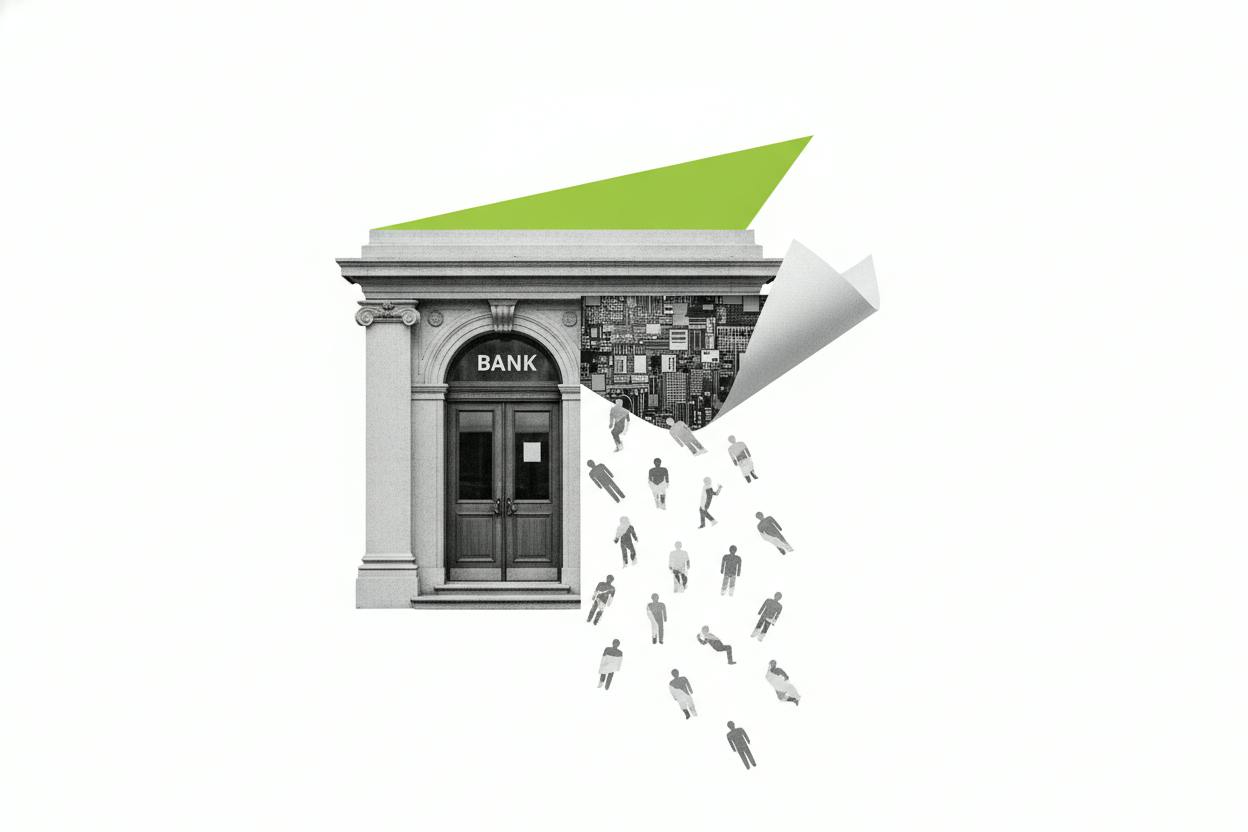
HSBC is reportedly weighing significant job cuts in its UK wealth management division as the bank leans harder on artificial intelligence to handle client services and back-office tasks. The news, first reported by the Financial Times, sent HSBC shares down more than 3% in early trading Wednesday, while the broader financial sector also slipped.
The Financial Select Sector SPDR Fund (XLF), which tracks large US financial firms, was down about 0.5% before the bell, reflecting a cautious mood across banks, insurers, and other financial companies.
Why HSBC is cutting jobs
Wealth management is a people-heavy business. Advisers, relationship managers, and support staff have traditionally been essential to serving affluent clients. But banks are under constant pressure to control costs, and AI tools are increasingly capable of handling routine tasks like account inquiries, portfolio reporting, and compliance checks.
By automating these functions, HSBC could reduce its headcount while maintaining—or even improving—service levels. The FT report suggests the cuts could be substantial, potentially affecting a large share of management roles in the UK wealth unit. However, the bank has not confirmed specific numbers, and plans could still change.
This move is part of a broader trend across the banking industry. Many large lenders are investing heavily in AI to streamline operations, cut costs, and improve efficiency. For HSBC, which operates globally, trimming its UK wealth staff would be a direct way to lower operating expenses in a competitive market.
What it means for investors
For everyday investors, the key question is whether these cost cuts will actually improve HSBC's profitability. Banks often measure efficiency using the cost-to-income ratio—the lower the ratio, the more efficient the bank. When a bank reduces staff, that ratio typically improves, which can boost earnings per share.
But job cuts also carry risks. If the bank cuts too deeply, it could hurt client service and lose wealthy customers to rivals. Wealth management is a relationship business, and clients often value personal attention. AI can handle many tasks, but it may not replace the trust and nuance that human advisers provide.
Investors will be watching HSBC's next earnings report for signs that the cost savings are materializing. They'll also look at whether the bank can grow its wealth management revenue even as it trims staff. If the strategy works, HSBC could see its margins expand. If it backfires, the bank could face reputational damage and client attrition.
The broader financial sector's premarket dip suggests investors are also cautious about the overall outlook. Interest rates, inflation, and economic growth all affect bank profits. When rates are high, banks can earn more on loans, but they also face higher funding costs and potential loan losses if the economy slows.
For context, other financial firms are making similar moves. Prudential, for example, is reportedly weighing a $3 billion sale of its Brazil and Mexico units, a sign that large financial groups are reshaping their portfolios to focus on core markets. And wealthy investors have cited high interest rates as a top threat to growth, according to a recent survey.
AI's growing role in banking
HSBC's potential job cuts are part of a wider shift toward AI in the financial services industry. Banks are using AI for everything from fraud detection to customer service chatbots to investment advice. The technology can process vast amounts of data quickly, identify patterns, and make recommendations—tasks that once required human analysts.
For employees, this means some roles will disappear, but new ones may emerge. Banks will still need people to oversee AI systems, handle complex client needs, and make strategic decisions. The net effect on jobs is unclear, but the trend is undeniable.
For investors, the rise of AI in banking is a double-edged sword. On one hand, it can lead to higher profits and lower costs. On the other, it could disrupt the traditional banking business model, forcing banks to adapt or lose market share to more tech-savvy competitors.
What to watch next
Investors should keep an eye on HSBC's official announcements regarding the job cuts. The bank may provide more details in its next earnings call or investor presentation. Also watch for updates on the broader financial sector, as any major moves by central banks or shifts in economic data could affect bank stocks.
The XLF's premarket decline is a reminder that financial stocks are sensitive to macroeconomic news. If inflation remains sticky and interest rates stay higher for longer, banks could face headwinds. Conversely, if the economy stays resilient, financials could benefit from strong loan demand and higher net interest margins.
For now, HSBC's AI-driven cost-cutting plan is a story about efficiency and adaptation. It reflects the pressures banks face to do more with less, and the growing role of technology in everyday finance. Whether it pays off for shareholders will depend on execution—and on whether clients embrace a more automated wealth management experience.