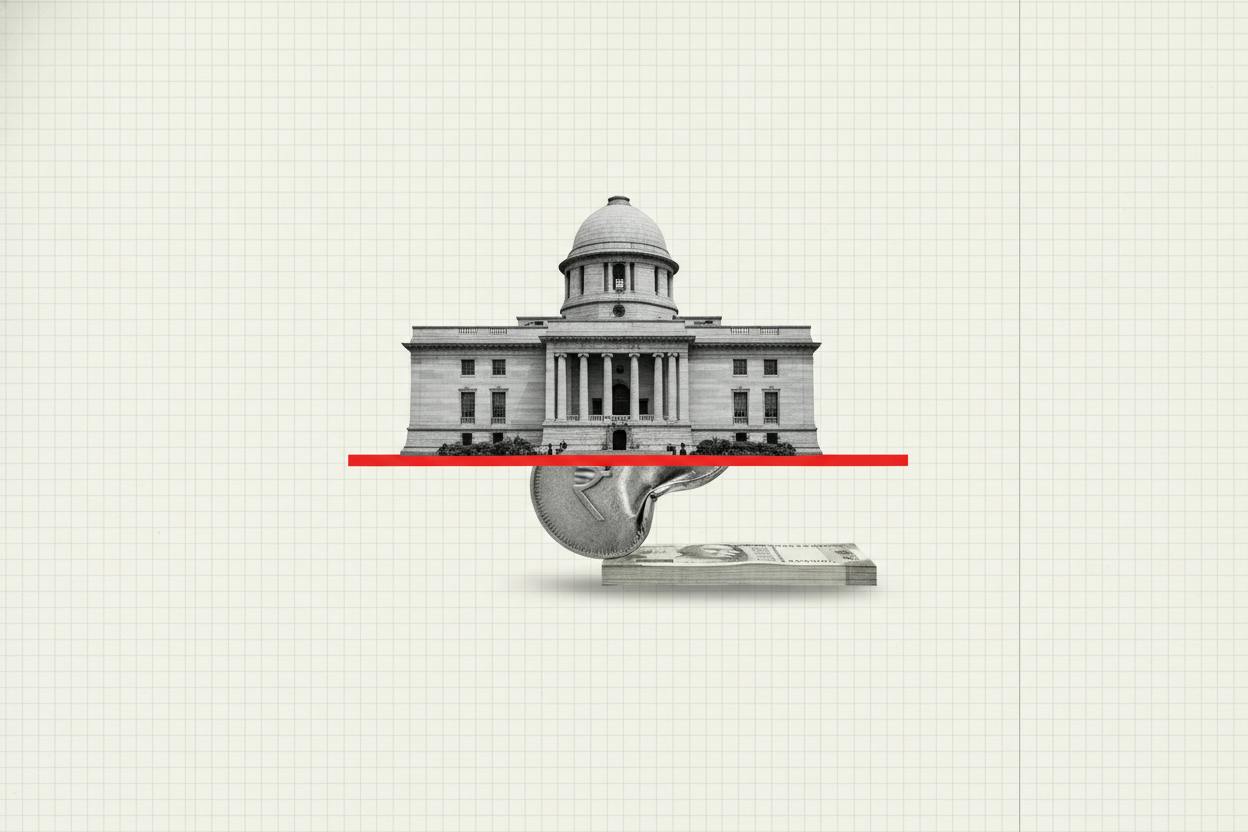
The Reserve Bank of India (RBI) delivered its first interest-rate hike in nearly four years on [date], raising the repo rate by 25 basis points to 5.50%. The move, announced after a meeting of the Monetary Policy Committee (MPC), signals a clear shift toward tighter monetary policy as the central bank battles persistent inflation.
The repo rate is the rate at which the RBI lends money to commercial banks, and it serves as the benchmark for borrowing costs across the economy. When the repo rate rises, banks typically pass on the higher cost to customers, making loans for homes, cars, and businesses more expensive. Conversely, savers may see slightly better returns on deposits.
What else changed?
Alongside the repo rate, the RBI also nudged the Standing Deposit Facility (SDF) rate up to 5.25%. The SDF is a tool the central bank uses to absorb excess liquidity from the banking system; it acts as a floor for overnight interest rates because it's what banks earn when they park surplus cash with the RBI. Raising it reinforces the tightening stance.
Notably, the RBI left the cash reserve ratio (CRR) unchanged at 3%. The CRR is the share of deposits that banks must hold as reserves with the central bank, and it influences how much money banks can lend. By holding it steady, the RBI avoided an additional squeeze on bank liquidity, which could have put further upward pressure on lending rates.
The rate hike was unanimous, with all six members of the MPC voting in favor. That unanimity underscores the central bank's determination to bring inflation under control, even as it risks slowing economic growth.
Why is the RBI hiking now?
India, like many economies, has been grappling with elevated inflation, driven largely by higher food and energy prices. The RBI's primary mandate is to keep inflation within a target range, and with price pressures proving sticky, the central bank has shifted from its accommodative stance to one of gradual tightening.
The last time the RBI raised the repo rate was in 2018, before the pandemic upended global economies. Since then, the central bank had been cutting rates and keeping them low to support growth. Now, with inflation running hot, the focus has turned to price stability.
This move also aligns with a broader global trend: central banks from the U.S. Federal Reserve to the European Central Bank have been raising rates to combat inflation. India's action is part of that synchronized tightening cycle, though the RBI has moved more cautiously than some of its peers.
What it means for investors
For everyday investors, the rate hike has several implications. First, borrowing costs are likely to rise. Home loans, auto loans, and business loans tied to the repo rate will become more expensive, which could cool demand in interest-sensitive sectors like real estate and consumer durables. On the flip side, fixed-income instruments such as bank fixed deposits and bonds may start offering more attractive yields, making them a more compelling option for savers.
Equity markets often react negatively to rate hikes because higher borrowing costs can squeeze corporate profits and reduce consumer spending. However, the impact varies by sector. Banks, for instance, may benefit from wider net interest margins if they can raise lending rates faster than deposit rates. Indeed, Indian banks led stocks higher in the run-up to the decision, as investors anticipated the hike.
For those with exposure to Indian assets, the key question is how much further the RBI will go. The central bank has signaled that it remains data-dependent, and future moves will hinge on inflation readings. If price pressures persist, more hikes could follow; if inflation cools, the RBI may pause.
Investors should also watch the impact on the rupee and foreign flows. Higher rates can attract foreign capital, supporting the currency, but they can also weigh on growth prospects. The RBI's balancing act will be closely scrutinized in the coming months.
Looking ahead
The RBI's decision comes at a time when India's economy is showing resilience, with consumer demand holding up in some areas, as seen in Titan's jewelry-led quarter. However, other indicators, such as tractor sales sliding on weak monsoon, point to fragility in rural demand.
For now, the central bank's priority is clear: tame inflation. The path ahead will depend on how the economy responds to higher borrowing costs and whether global commodity prices, especially oil, remain elevated. As Treasury yields ease as oil slips, some pressure may abate, but the RBI will stay vigilant.
For ordinary investors, the takeaway is to review their portfolios with an eye on interest-rate sensitivity. While no one can predict the exact trajectory, the era of ultra-cheap money in India is over, at least for now. Being prepared for a higher-for-longer rate environment is a prudent step.