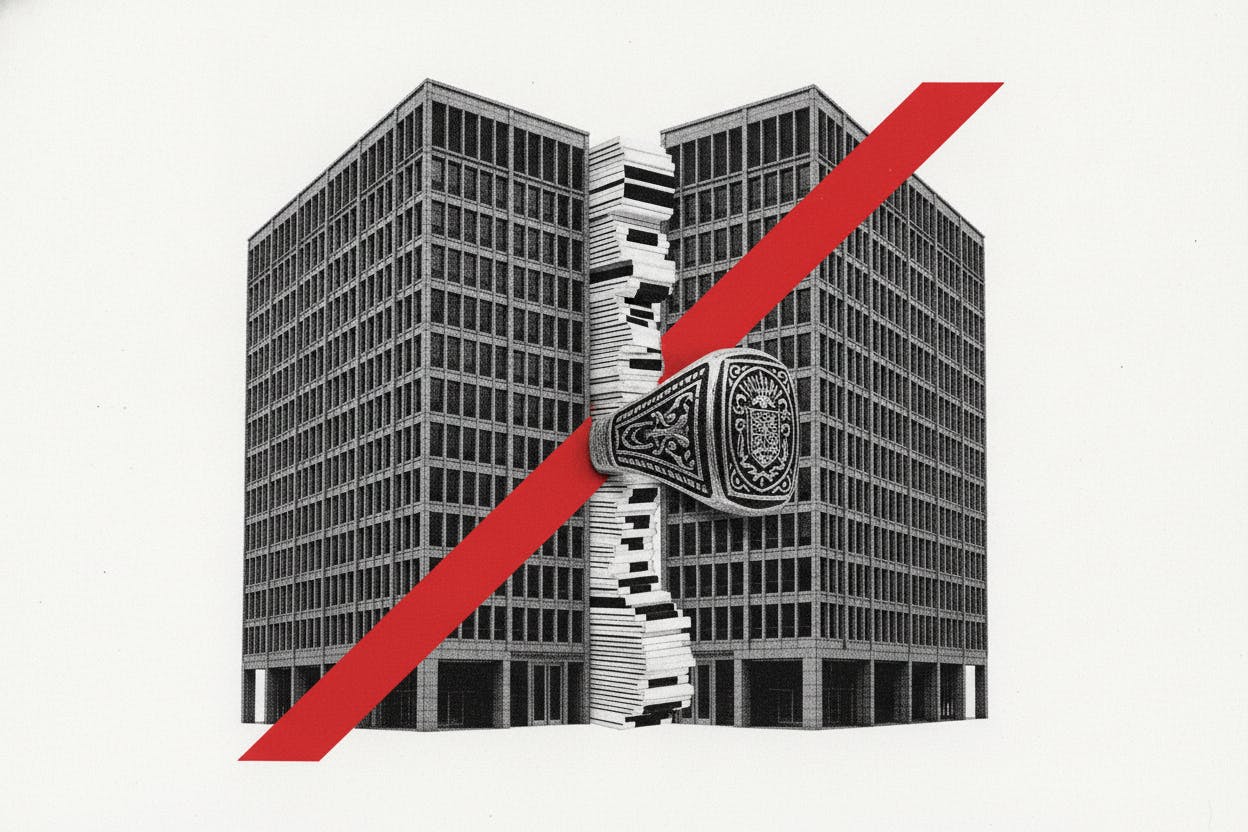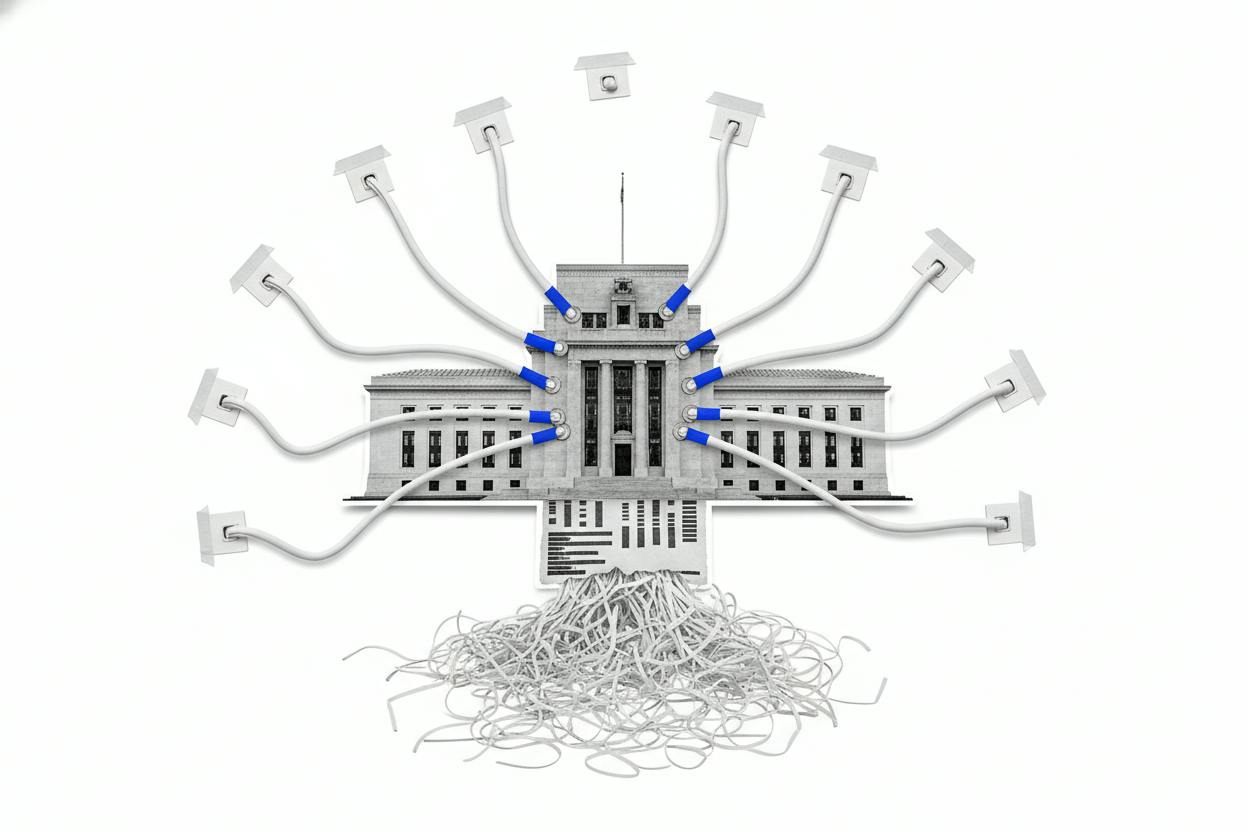
The Federal Reserve is planning a significant overhaul of how it supervises the nation's banks, consolidating oversight from 12 regional Reserve Banks down to five regions. The move, announced by Vice Chair for Supervision Michelle Bowman, is designed to address a "mismatch" between who has the authority to make supervisory decisions and who is held accountable for the outcomes.
In prepared remarks delivered at a conference in Missouri on Tuesday, Bowman explained that the current structure—where bank exams and enforcement actions flow through a network of 12 regional banks and a "complex web" of committees—can slow down the escalation of problems when they are building. By streamlining to five regions, the Fed aims to make the chain of command clearer and faster.
Why the change now?
The reshuffle comes in the wake of the 2023 failure of Silicon Valley Bank (SVB), which triggered a broader banking scare and prompted intense scrutiny of how the Fed oversees lenders. A post-mortem review of SVB's collapse found that supervisory warnings were not acted on quickly enough, and that responsibility for oversight was fragmented across different parts of the Fed's structure.
Bowman's comments echo those findings, suggesting that the current setup creates confusion about who is in charge. "The mismatch between decision-making authority and accountability is a problem we need to fix," she said, according to the prepared text. The new regional structure is intended to give supervisors clearer lines of authority and make it easier to hold individuals responsible for their decisions.
The Fed's 12 regional Reserve Banks have long been a cornerstone of the U.S. central bank's structure, each with its own president and staff. But for supervision, the regional banks have operated with a degree of independence that critics say can lead to inconsistent enforcement. Consolidating to five regions is a major administrative shift, though it does not change the Fed's monetary policy functions.
What it means for investors
For everyday investors, the immediate impact is likely to be subtle, but the longer-term implications could be significant. A more streamlined supervisory process could mean faster identification of problems at banks, which might reduce the risk of sudden failures that can rattle markets. The SVB collapse, for example, sent shockwaves through the banking sector and led to sharp declines in regional bank stocks.
Investors should also watch how the consolidation affects the Fed's relationship with the banks it regulates. A more centralized approach could lead to more uniform enforcement of rules, which might be a positive for larger banks that have complained about inconsistent treatment across regions. Smaller community banks, on the other hand, may worry that a five-region structure could reduce local input into supervisory decisions.
The change is part of a broader effort by the Fed to learn from the SVB episode. Earlier this year, the Fed released a review that criticized its own supervision of the bank, noting that regulators had identified problems but failed to act forcefully enough. The new structure is an attempt to address those shortcomings.
What to watch next
The Fed has not yet provided a timeline for the transition, and details on how the five regions will be drawn up are still to come. Bowman said the Fed will work with the regional banks to implement the change, but she did not specify which regions would be consolidated or how many jobs might be affected.
Investors may also want to keep an eye on how the reshuffle interacts with other regulatory changes. The Fed has been working on a package of new rules for large banks, including stricter capital requirements, which have been a point of contention between regulators and the industry. A more streamlined supervisory structure could make it easier to implement those rules consistently.
For now, the announcement is a signal that the Fed is serious about fixing the problems exposed by SVB. Whether it will be enough to prevent the next crisis remains to be seen, but for investors, the move is a reminder that the regulatory landscape is still evolving in response to recent turmoil.