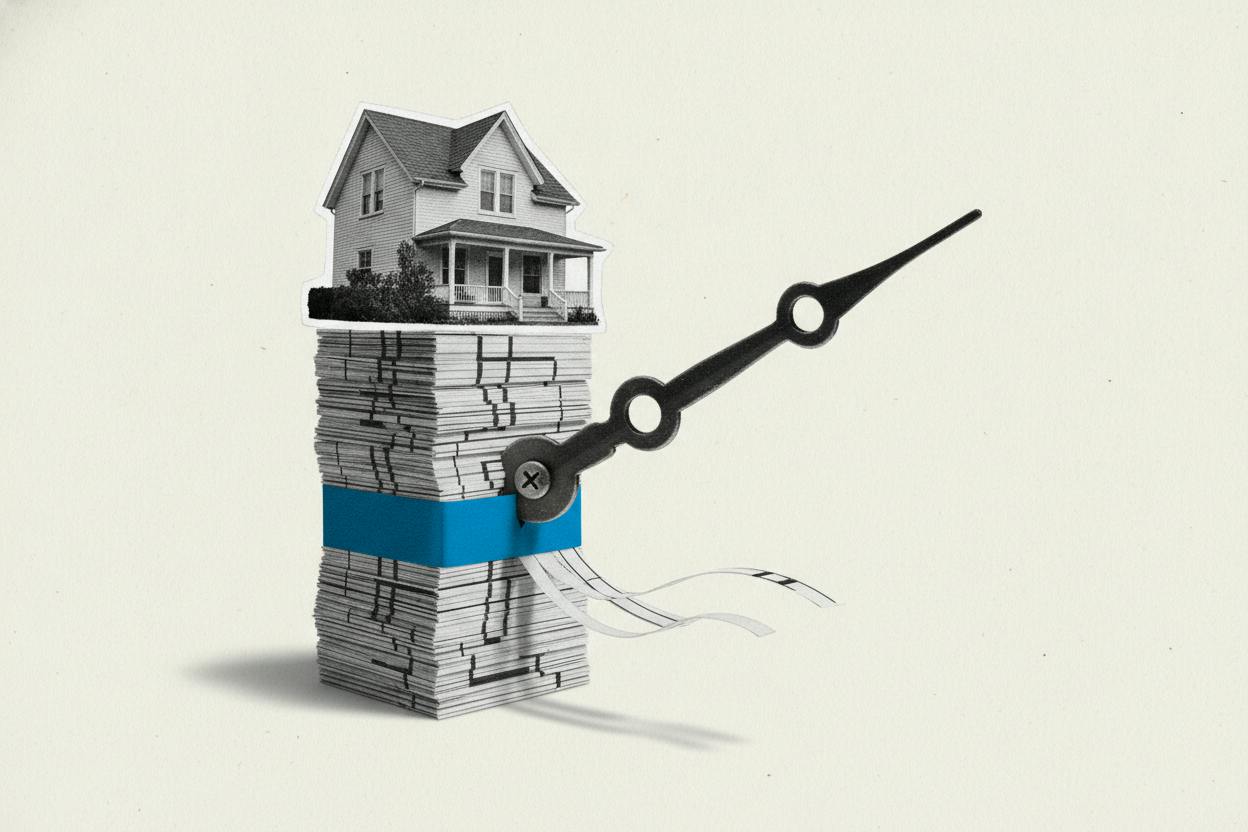
Canadian homebuyers are increasingly choosing shorter mortgage terms and variable rates, a trend that could make the housing market more sensitive to interest rate changes. According to a note from National Bank of Canada, only 8.8% of new mortgages in July had fixed terms of five years or more—the lowest share since the bank began tracking this data in 2013.
This marks a significant shift from the past decade, when long-term fixed-rate mortgages were the default choice for many borrowers. The bank notes that the move has been gradual: the share of five-year-plus fixed mortgages fell below 20% in 2022, shorter fixed terms became dominant in 2023 and 2024, and variable-rate mortgages have regained popularity since 2025 as short-term borrowing costs became relatively cheaper.
What's driving the shift?
The change reflects a combination of factors. For one, shorter-term fixed rates have often been priced lower than their longer-term counterparts, making them attractive to budget-conscious borrowers. Additionally, many Canadians may be hesitant to lock in for five years when there is uncertainty about where rates will go next.
Variable-rate mortgages, which adjust with the Bank of Canada's policy rate, have also become more appealing as the central bank has signaled a more cautious approach to monetary policy. With short-term rates now seen as relatively affordable, borrowers are willing to take on the risk of future adjustments in exchange for lower initial payments.
This trend is not just a statistical curiosity—it has real implications for how monetary policy affects the economy. When more households hold variable-rate or short-term fixed mortgages, changes in the Bank of Canada's policy rate transmit to consumer finances much faster. A rate hike can quickly raise monthly payments, while a cut can provide immediate relief.
Faster repricing, bigger impact
The result is what National Bank calls faster "repricing." When a variable rate changes or a short fixed term ends, monthly payments can reset quickly. So if the Bank of Canada keeps policy tight—or tightens further—higher borrowing costs would reach more households sooner. This can weigh on housing activity, especially when conditions are already subdued.
For the housing market, this means the same rate cycle could feel different from the past. Instead of higher rates taking years to filter through, more borrowers could face earlier jumps in monthly payments, squeezing day-to-day budgets and making it harder for the market to regain momentum.
This dynamic is particularly relevant given the current economic backdrop. Canada's economy has shown signs of cooling, with the services sector contracting for a fourth straight month as costs climb. Meanwhile, trade tensions with the U.S. have added uncertainty, and upcoming trade and jobs data may reveal the extent of tariff damage. These factors could influence the Bank of Canada's rate decisions in the coming months.
What it means for investors
For everyday investors, the shift to shorter mortgages has several implications. First, if you have a mortgage or are planning to buy a home, be prepared for your payments to change more frequently. A renewal that used to come every five years might now arrive every two or three years, and variable-rate borrowers could see adjustments with each Bank of Canada announcement.
Second, this trend could affect the broader economy. If higher rates hit households faster, consumer spending might slow more quickly, which could impact corporate earnings and stock prices. On the other hand, if the Bank of Canada cuts rates, the benefits would also be felt sooner, potentially giving a quicker boost to housing and consumer confidence.
For investors in Canadian banks and other financial institutions, the shift is a double-edged sword. Banks may see more frequent mortgage renewals, which can generate fee income, but they also face the risk of higher defaults if borrowers struggle with rising payments.
Finally, the housing market itself could become more volatile. With more borrowers on short terms, housing activity may react more sharply to rate changes, creating opportunities for investors who can time the market—but also adding risk for those who can't.
As always, it's important to consider your own financial situation and risk tolerance. If you're a homeowner, review your mortgage terms and think about how a rate change might affect your budget. If you're an investor, keep an eye on how this trend might influence the sectors and companies you hold.
The shift to shorter mortgages is a reminder that the relationship between interest rates and the economy is not static. As borrower behavior changes, so too does the impact of central bank policy. For Canadians, the message is clear: the next rate move could hit your wallet sooner than you think.