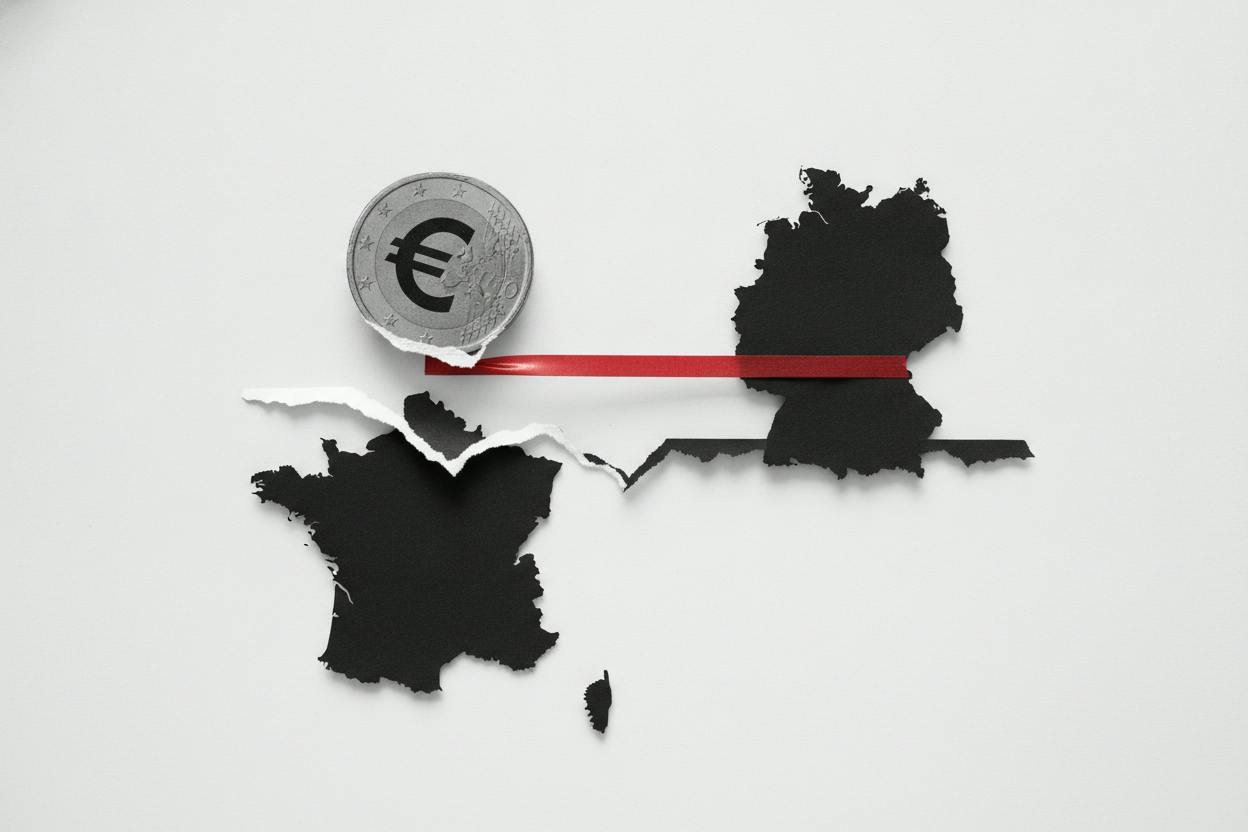
The euro slipped against major currencies on Wednesday as French government bond yields jumped, reviving worries about the eurozone's weaker links. The move came as traders across global markets turned their attention to the latest Federal Reserve meeting minutes for clues about the path of interest rates.
What's happening in French bonds?
France's 10-year government bond yield rose 14.9 basis points to 4.8959%, a notable jump that signals investors are demanding higher compensation to hold French debt. At the same time, Germany's 10-year yield sat near 3.489%, keeping the gap between the two—known as the spread—wide.
That spread is a key measure of risk in the eurozone. When it widens, it means investors see French debt as riskier relative to Germany's, which is considered the region's safest benchmark. A wider spread can spill into currencies, as overseas investors may demand a better deal to hold euro-denominated assets, leaving the euro softer.
This isn't the first time French bond jitters have surfaced. French and Italian bond yields have jumped before as concerns about high debt levels and political uncertainty in the eurozone have flared up. The current move suggests those worries are far from gone.
Why the Fed minutes matter
While French bonds were in focus, traders were also parsing the Federal Reserve's latest meeting minutes for any hints about the future of U.S. interest rates. The minutes, released after the Fed's most recent policy meeting, are scrutinized for signals about whether the central bank will keep rates higher for longer or start cutting them.
Higher U.S. rates tend to strengthen the dollar, which can put additional pressure on the euro. Stocks had already edged lower ahead of the minutes as the 10-year Treasury yield climbed, reflecting the market's sensitivity to rate expectations.
The combination of French bond stress and Fed uncertainty is a reminder that global markets are interconnected. What happens in one corner can quickly ripple across currencies, bonds, and stocks.
What it means for investors
For everyday investors, the key takeaway is that bond yields and currency moves can have a direct impact on portfolios, even if you don't own French bonds or trade euros.
First, rising yields in Europe can push up borrowing costs for governments and companies, which can weigh on economic growth. That can hurt European stocks, and because markets are global, it can also affect U.S. and Canadian equities. European stocks have slipped in similar situations, and the ripple effects can reach North American markets.
Second, a weaker euro can be a double-edged sword. It makes European exports cheaper and more competitive, which can help some companies. But it also makes imports more expensive, which can feed inflation. For investors with international exposure, currency swings can add volatility to returns.
Third, the Fed minutes are a reminder that interest rates remain a dominant force in markets. Rising yields have rattled stocks before, and any signal that rates will stay higher for longer could keep pressure on equity valuations.
What to watch next
Investors will be watching whether French bond yields continue to climb and whether the spread over German bunds keeps widening. Any further stress could reignite concerns about the eurozone's fiscal health, especially in countries with high debt levels.
Also on the radar is the Fed's next move. If the minutes suggest policymakers are in no rush to cut rates, the dollar could strengthen further, adding to the euro's woes. The pound has already hit a 16-month high versus the euro as France's finances weigh on the single currency.
For now, the message is clear: bond markets are sending signals, and investors should pay attention. Whether you're a seasoned trader or just starting out, understanding how yields and currencies move can help you make sense of the daily noise in your portfolio.