Air China's recovery hit turbulence in the first three quarters of the year. The carrier swung to a net loss of 2.02 billion yuan (about $280 million) attributable to shareholders, reversing a profit of 1.87 billion yuan from the same period a year earlier. The main culprit: operating costs, led by jet fuel, climbed faster than revenue.
In a filing to the Hong Kong stock exchange, Air China said revenue rose 8.6% to nearly 141 billion yuan in the first nine months. Passenger throughput increased 4.8% and passenger traffic (measured in revenue passenger kilometers) was up 7.9%, indicating solid demand. But total operating costs jumped to 151.2 billion yuan from 134.3 billion yuan a year earlier, flipping the airline from an operating profit of 1.22 billion yuan to an operating loss of 3.47 billion yuan.
Why fuel costs are biting
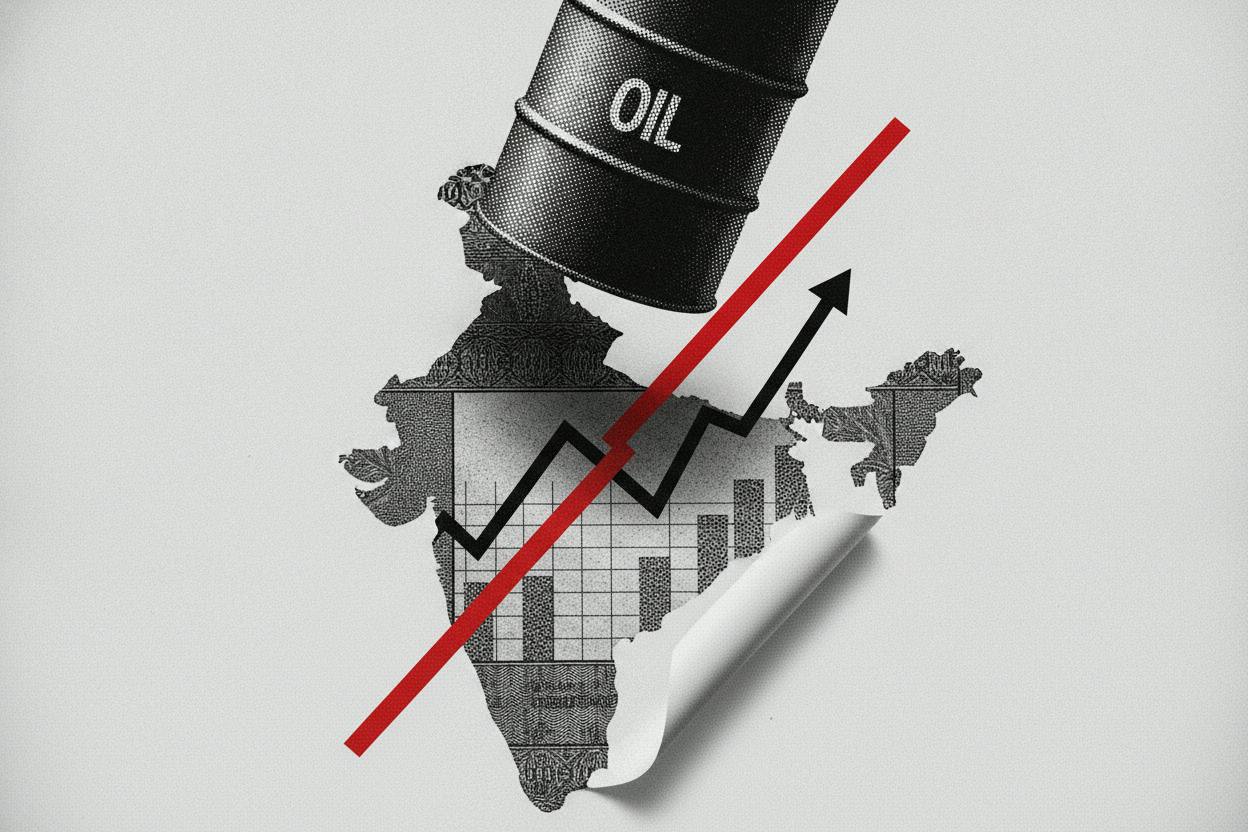
Jet fuel is typically an airline's largest single expense, often accounting for 30% to 40% of operating costs. When oil prices rise, carriers feel the pinch almost immediately, and they have limited ability to pass those costs on to passengers without hurting demand.
Air China is not alone in this struggle. Other airlines have been trimming capacity or adjusting schedules to protect margins from fuel costs. For example, Air Canada has trimmed flights to shield its margins, and it also cut its 2026 profit outlook as jet fuel costs surged. The broader industry is facing the same headwind: higher energy prices squeeze profitability across the board.
Fuel costs are influenced by global crude oil prices, which have been volatile due to geopolitical tensions and supply decisions by major producers. For airlines, hedging strategies can provide some protection, but they can also backfire if prices move in unexpected ways.
What this means for investors
For everyday investors, Air China's results highlight how sensitive airline profits are to fuel prices. Even when demand is strong—as evidenced by rising passenger numbers—cost inflation can wipe out gains. This is a key risk to watch when evaluating any airline stock.
The company's revenue growth of 8.6% shows that travel demand remains healthy, particularly in the domestic Chinese market. However, the fact that costs grew faster means the airline was unable to fully offset the fuel price increase with higher fares or efficiency gains.
Investors should also consider the broader economic backdrop. China's economy has been recovering, but consumer confidence and business travel spending can be affected by global uncertainties. Airlines are also exposed to currency fluctuations, as fuel is priced in dollars while revenues are often in local currencies.
Looking ahead, the key question is whether fuel prices will stay elevated. If they do, Air China and its peers may need to raise fares or cut capacity to protect margins. If they ease, the airline could quickly return to profitability, given the underlying demand strength.
It's also worth noting that Air China's loss is a reversal from a year earlier, when it posted a profit. This shows how quickly the financial picture can change for airlines, making them a more volatile investment compared to companies with steadier cost structures.
For context, other companies have faced similar cost pressures. For instance, Nextpower's backlog topped $6 billion but margins tightened on costs, illustrating that rising input costs are a common theme across industries. Even in tech, Big Tech and software stocks have tumbled as investors question revenue growth amid high costs.
In the airline sector, the focus will be on the fourth quarter, which includes the holiday travel season. If fuel prices remain high, Air China may face another challenging quarter. But if they moderate, the airline could recover some of its lost profitability.
For investors, the takeaway is to monitor fuel price trends and airline pricing power. Airlines are often seen as a leveraged play on the economy—they benefit from growth but are vulnerable to cost shocks. Air China's nine-month loss is a reminder of that double-edged sword.