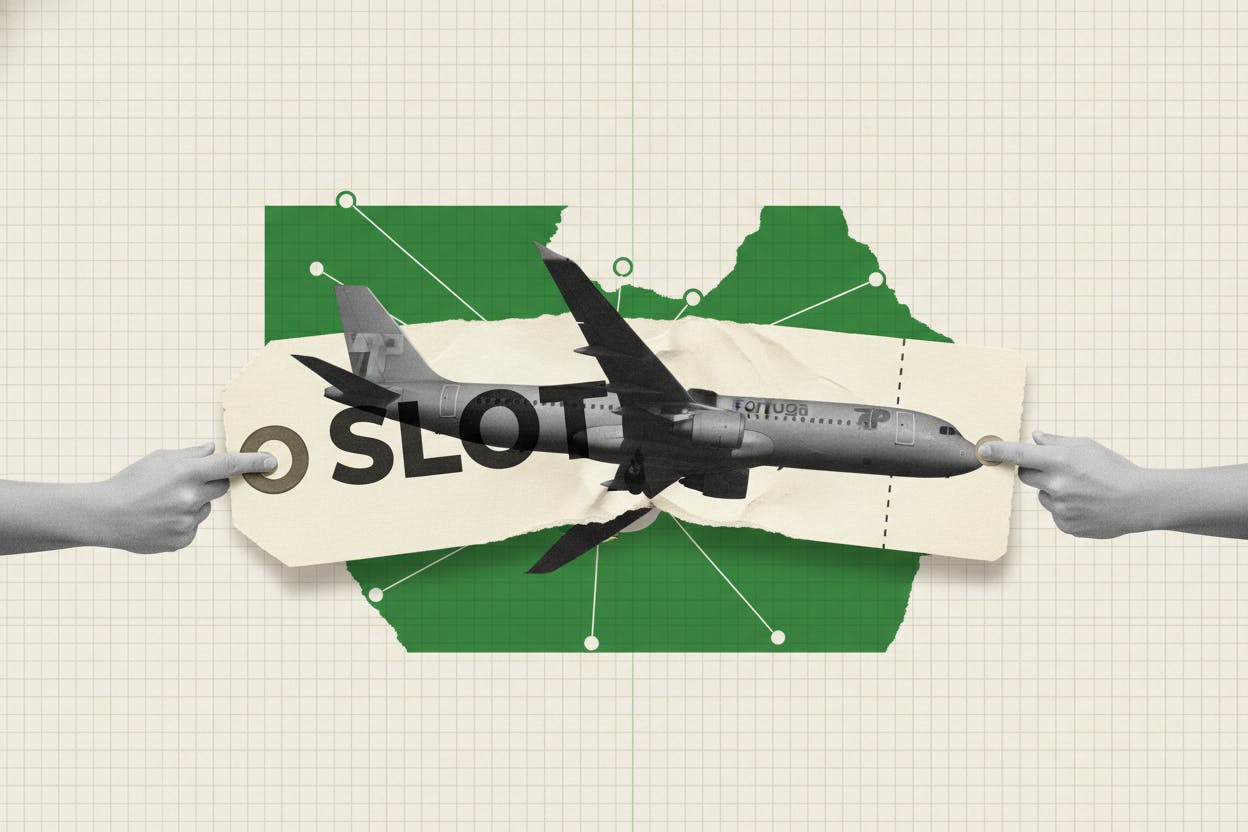
Portugal is pushing forward with the long-awaited privatization of TAP Air Portugal, as two of Europe's largest airline groups prepare to submit binding bids for a minority stake in the state-backed carrier. Air France-KLM and Lufthansa are both due to file formal offers for a 44.9% holding, marking the final stage of a sale process that has been delayed for years.
Why now?
The Portuguese government restarted the sale to secure a strategic airline partner for TAP, which has relied on state support in recent years. European Union state-aid rules limit how much more public money the carrier can receive during a downturn, making a private partner essential for its long-term financial stability. Both bidders had already submitted non-binding offers earlier in the process, but the binding round narrows the field to two serious contenders.
Officials have indicated that the decision will not come down to price alone. The government also wants commitments on jobs, investment, and improved connectivity beyond Lisbon, including routes to Porto, Faro, the Azores, and Madeira. That means the winning bidder may need to offer more than just cash to secure the deal.
What it means for investors
For everyday investors, the TAP sale is a reminder that airline stocks are often tied to government decisions and regulatory constraints. The outcome could affect competition on transatlantic and European routes, particularly if Lufthansa or Air France-KLM gains a stronger foothold in Portugal. A successful privatization might also signal confidence in the broader European aviation sector, which has faced headwinds from rising fuel costs and shifting travel demand.
Investors should note that TAP's financial performance has been volatile. The carrier posted a profit in 2023 after years of losses, but its reliance on state aid and exposure to fuel price swings remain risks. The sale of a minority stake means the Portuguese government will retain control, but a strategic partner could bring operational improvements and cost efficiencies.
The broader airline industry has seen a wave of consolidation and restructuring in recent years, with carriers like JetBlue overhauling fare options to adapt to changing consumer behavior. Meanwhile, fuel costs have been a persistent challenge, as seen in American Airlines slashing its profit forecast due to surging fuel prices. Lower oil prices have occasionally provided relief, with European stocks flat but oil drops lifting airlines in recent trading sessions.
What to watch next
The binding offers are expected within weeks, after which the Portuguese government will evaluate both bids. Key factors to watch include the proposed purchase price, any job guarantees, and commitments to expand routes to underserved regions. The government has not set a firm deadline for a final decision, but the process is likely to conclude by mid-2025.
For investors, the TAP sale is a niche story but one that highlights the interplay between state ownership and private capital in the airline industry. It also underscores the importance of regulatory frameworks, such as EU state-aid rules, in shaping corporate outcomes. While the direct impact on most portfolios is limited, the deal could influence competitive dynamics in European aviation and signal the health of the sector's recovery.