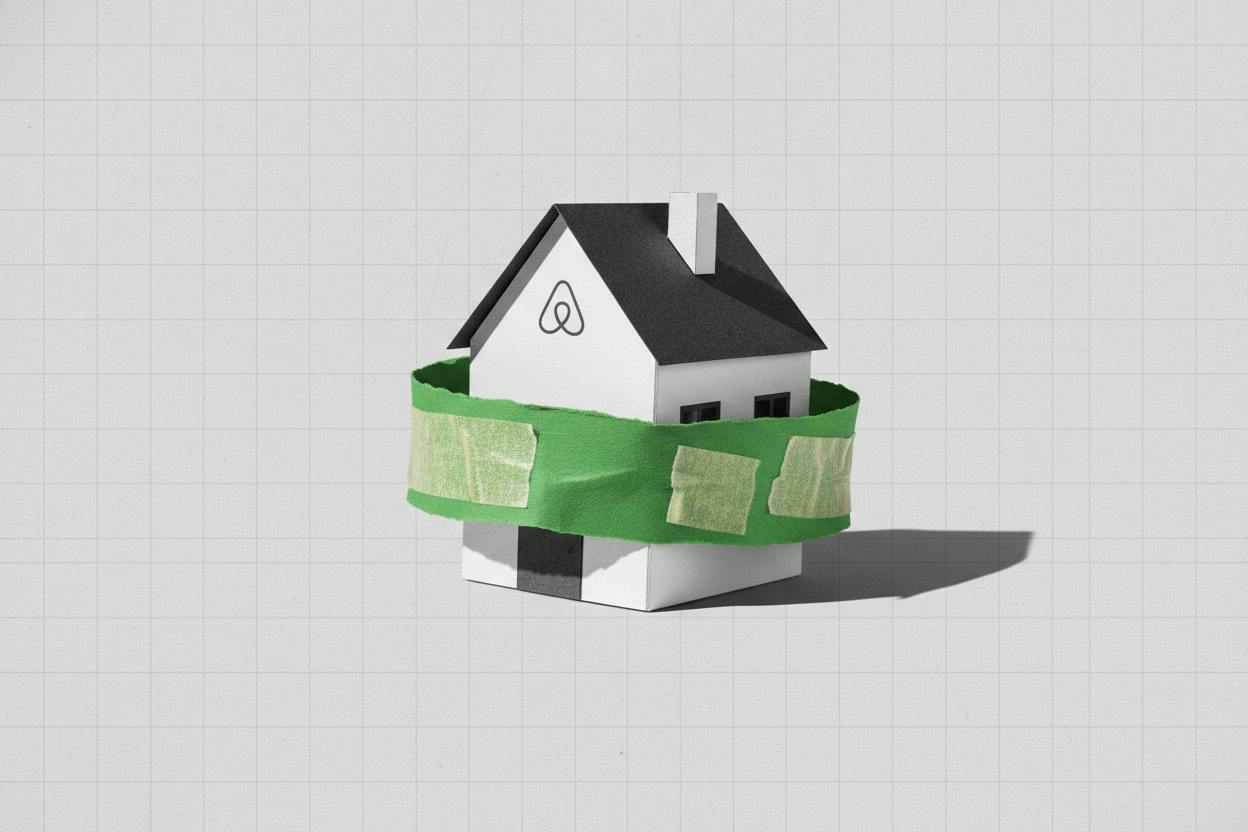
Airbnb gave investors a double dose of good news on Tuesday: it lifted its 2026 revenue growth forecast and approved a fresh $12 billion share repurchase program, after third-quarter bookings rose 16% year over year. The San Francisco-based home-rental platform said it now expects revenue to grow in the "high teens" percentage range in 2026, up from its prior outlook.
The upbeat guidance comes as the company reported strong demand for travel despite lingering concerns about inflation and geopolitical tensions. In the third quarter, nights and experiences booked climbed 16% to 155 million, helping revenue rise 19% to $4.87 billion—beating the $4.75 billion analysts had expected, according to LSEG data. Profitability also improved, with diluted earnings per share jumping to $3.16 from $2.21 a year earlier.
Why the buyback matters
Pairing a higher 2026 outlook with a fresh $12 billion repurchase authorization is a meaningful signal for shareholders. When a company buys back its own stock, it reduces the number of shares outstanding, which means future profits are split across fewer shares. That can boost earnings per share and free cash flow per share even if total profit growth slows.
The move also suggests management is confident in the company's ability to generate strong cash flow going forward. Approving a buyback of this size indicates Airbnb expects to have enough cash to fund its day-to-day operations and still return capital to investors.
After the announcement, Airbnb's shares jumped 11% in extended trading, according to Reuters. The market's next debate is whether the rally is backed by a genuinely better per-share earnings path, or whether it mostly reflects investors paying a higher valuation multiple for the stock.
AI is cutting costs
Beyond the headline numbers, Airbnb highlighted how artificial intelligence is helping it operate more efficiently. The company said support cost per booking fell more than 17% in the quarter, as around 40% of customer service issues were resolved without human intervention. It is also building an AI assistant to help users plan and book trips, with a target launch in the first half of 2027.
These efficiency gains are part of a broader trend across the tech sector, where companies are using automation to trim costs and improve margins. For Airbnb, the AI push could help protect profitability even as it invests in new features and expands into new markets.
What it means for investors
For everyday investors, the key takeaway is that Airbnb is betting leisure travel will remain resilient even as parts of the economy slow. The company's management said demand held up across regions, and CFO Ellie Mertz played down any near-term impact from unrest in France or the Middle East conflict.
However, investors should keep in mind that a buyback doesn't change the underlying business fundamentals—it just changes the per-share math. The real question is whether Airbnb can sustain its growth and profitability over the long term. The company's ability to beat expectations and raise guidance is a positive sign, but it also faces competition from traditional hotels and other short-term rental platforms.
For context, other companies have recently used buybacks to signal confidence. For example, Euronext launched a €350 million buyback after a strong quarter, and Swiss Re's profit climbed to $4.17 billion as its buyback neared completion. These moves often boost investor sentiment, but they don't guarantee future performance.
Airbnb's raised outlook also contrasts with some other companies that have trimmed their forecasts. For instance, Mattel trimmed its 2026 outlook due to softer holiday demand, and Dutch Bros' Q4 growth outlook disappointed, sending its stock down 21%. This divergence highlights how different sectors are faring in the current economic environment.
As always, investors should consider their own financial goals and risk tolerance before making any decisions. Airbnb's news is encouraging, but it's just one piece of the puzzle.