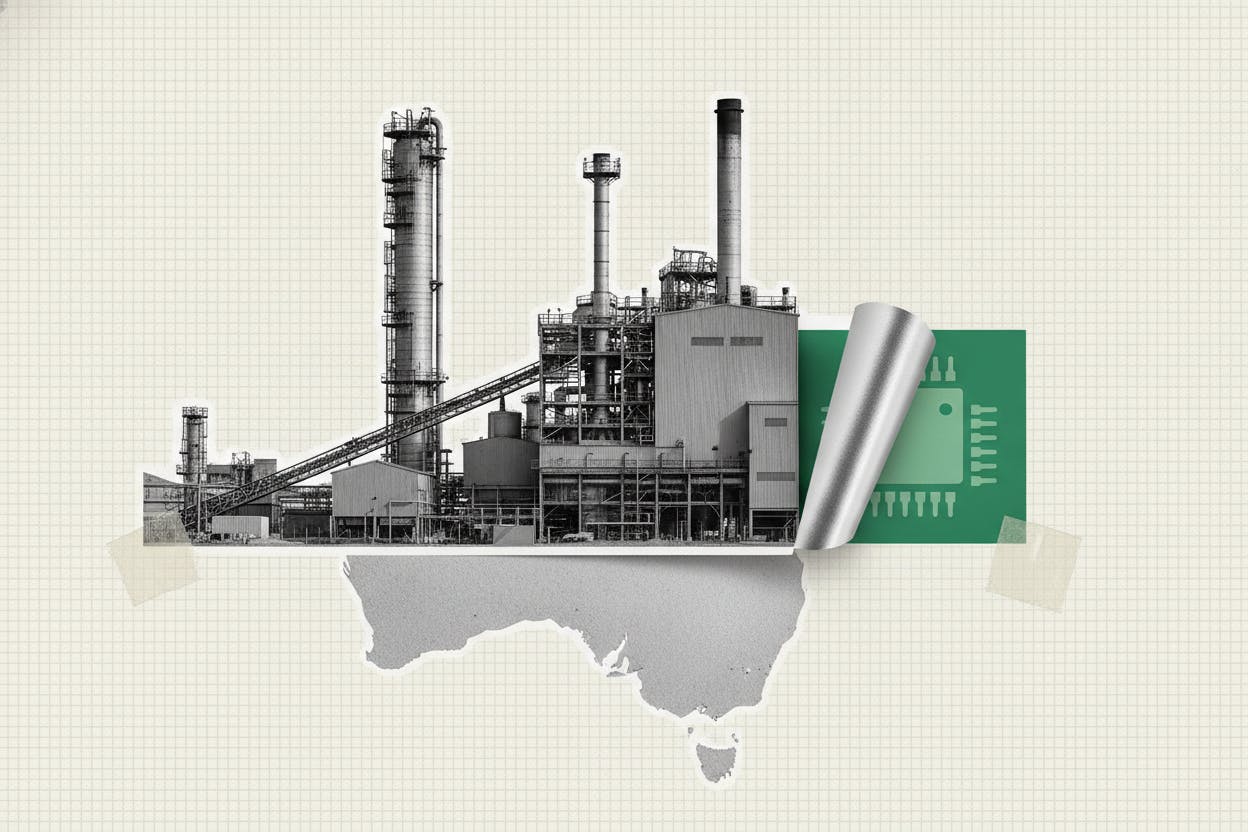
Alcoa, one of the world's largest aluminum producers, has approved the construction of a new gallium plant at its Wagerup alumina refinery in Western Australia. The company says the facility could eventually supply up to 10% of global gallium output, a move that underscores growing government interest in securing supplies of critical minerals.
What is gallium and why does it matter?
Gallium is a niche metal that plays a crucial role in advanced semiconductors and defense electronics. It is used in components like radio frequency chips, LEDs, and solar panels, as well as in military radar and communications systems. Because of its strategic importance, governments are less focused on getting gallium cheaply and more concerned with getting it reliably.
Currently, gallium production is heavily concentrated, with China accounting for the vast majority of global supply. That concentration has raised concerns in recent years, especially after export controls were tightened. For buyers like chipmakers and defense contractors, a disruption in gallium supply can quickly squeeze production lines and drive up costs.
How Alcoa plans to produce gallium
Alcoa intends to extract gallium alongside its existing alumina operations at Wagerup. That is significant because using an established site, workforce, and processing setup typically lowers construction and start-up risk compared with building a new facility from scratch. Alcoa already has the infrastructure in place for bauxite refining, and gallium can be recovered as a byproduct of the alumina production process.
The project has attracted support from the Australian, Japanese, and US governments, as well as industry partners. That kind of backing often comes with the goal of securing dependable, contract-based supply rather than relying on spot purchases, which can be volatile and uncertain. If Wagerup reaches the scale Alcoa is talking about, one site could become a meaningful new source in a market where disruptions can quickly squeeze buyers.
The move also fits Alcoa's broader strategy of expanding its upstream footprint in bauxite, alumina, and aluminum. The company has been investing in its refining and mining operations to strengthen its position in the global aluminum supply chain.
What it means for investors
Gallium is a small market, so a single project with the potential to supply 10% of global output can change how tight the supply picture feels, even if demand remains steady. Co-locating production with an existing alumina refinery reduces execution risk, while government and industry backing can reduce offtake risk by lining up long-term buyers. Put together, that makes supply more predictable and can shift pricing power toward customers who value assured delivery, like chipmakers and defense contractors tied to Australia, Japan, and the US.
For investors watching critical-mineral supply chains, the bigger signal is that "friendly" production capacity is being built to make shortages less disruptive. This trend is not limited to gallium. Similar dynamics are playing out in other critical minerals, as seen in recent deals like Genesis Minerals' acquisition of Vault Minerals and the broader push to secure domestic supplies of strategic resources.
That said, investors should keep in mind that gallium is a niche commodity. Its price can be volatile, and demand is tied to specific industries like semiconductors and defense. While government backing provides a floor of support, the project's ultimate success will depend on execution and market conditions.
For everyday investors, the key takeaway is that Alcoa's Wagerup gallium plant represents a bet on the growing importance of supply chain security. It is a reminder that critical minerals are becoming a bigger part of the investment landscape, and that companies with existing infrastructure and government support may be better positioned to capitalize on that trend.