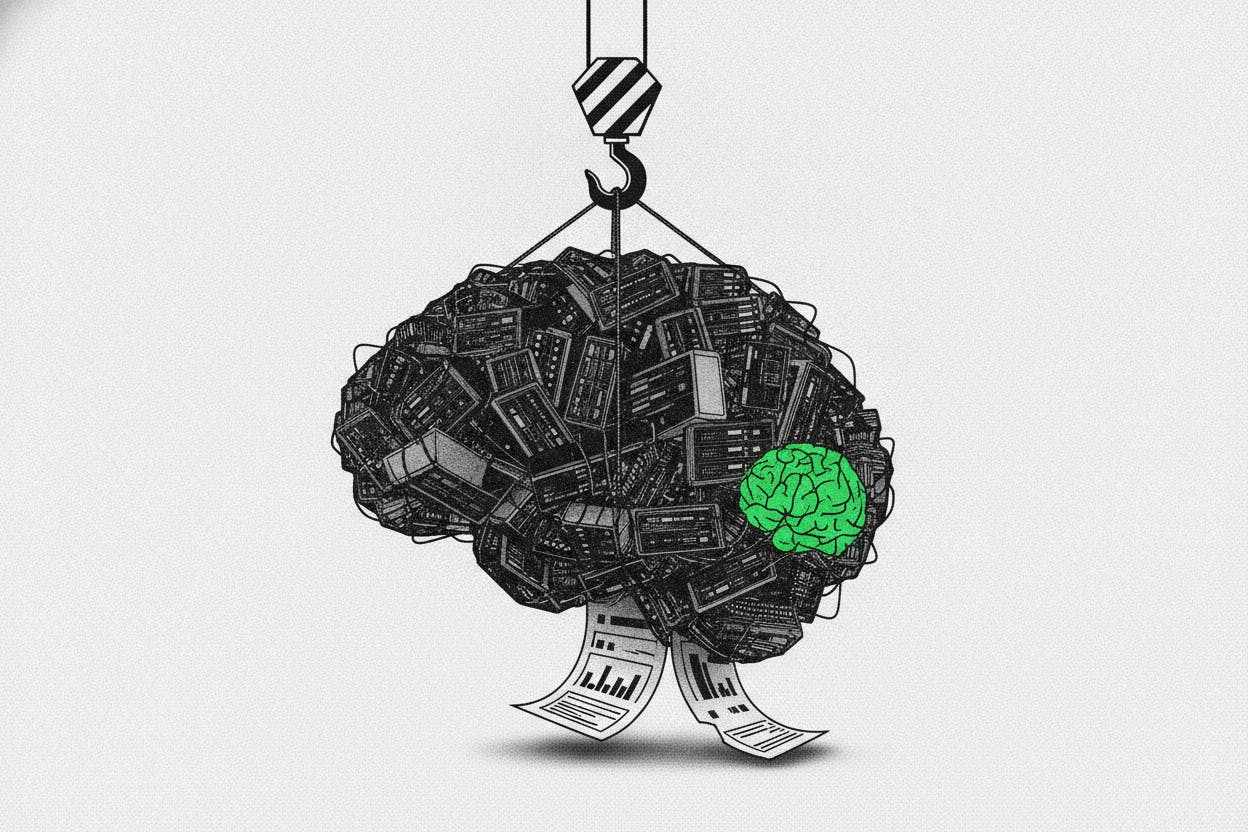
Alibaba has thrown its hat into China's increasingly crowded AI ring with the unveiling of Qwen3.8-Max, a massive open-weight model that the company says is already making waves in independent rankings. The model, which boasts 2.4 trillion parameters, is set to launch next week on Alibaba Cloud's Model Studio, according to Reuters.
Parameters are the adjustable parts of an AI model that it learns from training data. In simple terms, more parameters generally mean a model can handle more complex tasks, but they also require more computing power to run. The 2.4-trillion figure puts Qwen3.8-Max among the largest models ever released, though experts caution that raw size isn't the only measure of quality.
China's AI arms race heats up
Alibaba's move is the latest salvo in a sprint among Chinese tech giants to ship more capable AI models without making them prohibitively expensive to operate. The company is positioning Qwen3.8-Max against local rival Moonshot AI's Kimi K3, according to Reuters. That comparison is telling: both companies are vying for dominance in a market where developers and businesses are increasingly choosing models based on performance per dollar.
Open-weight models, like Qwen3.8-Max, are a middle ground between fully open-source and proprietary systems. Developers can download and fine-tune them, but the underlying training data and some infrastructure remain under the company's control. This approach has become a key strategy for Chinese AI firms, as it allows them to build ecosystems and attract developers who might otherwise turn to Western models.
The timing is significant. China's tech sector has been under pressure from both domestic regulatory scrutiny and US export controls on advanced chips. Yet companies like Alibaba continue to push forward, finding ways to innovate within those constraints. The broader economic backdrop remains mixed, with China's factory activity cooling in July, but the AI race appears to be a bright spot for the country's technology ambitions.
What parameter counts really tell us
While the 2.4-trillion-parameter figure is eye-catching, it's worth understanding what it does and doesn't tell us. Parameter count is often used as a proxy for a model's computing power and the size of its training data. But it's an imperfect yardstick for quality. A model with fewer parameters but better training data or architecture can outperform a larger one on many tasks.
For developers, the parameter count is also a marketing signal. It suggests that a company has the resources and technical expertise to train a model at this scale, which can be a differentiator in a crowded market. But it doesn't guarantee that the model will be the best fit for a specific use case.
Alibaba's decision to make Qwen3.8-Max open-weight is notable. It follows a trend among Chinese AI companies to release models that developers can adapt, in contrast to the more closed approach of some Western firms. This strategy could help Alibaba build a loyal developer base and drive adoption of its cloud services, which is where the real revenue potential lies.
What it means for investors
For everyday investors, the Qwen3.8-Max launch is a reminder that the AI race is not just about who has the biggest model. It's about who can turn AI into a sustainable business. Alibaba's cloud division is a key part of that equation. By offering a powerful model on its Model Studio, Alibaba hopes to attract businesses that will pay for cloud computing and AI services.
The competition is fierce. Moonshot AI, with its Kimi K3, is a formidable rival, and other Chinese tech giants like Baidu and Tencent are also investing heavily in AI. The outcome of this race will likely shape the fortunes of these companies over the next few years.
For now, investors should watch how Qwen3.8-Max performs in real-world applications and whether it translates into cloud revenue for Alibaba. The model's ranking on Arena.AI, a popular leaderboard, is a positive sign, but it's just one data point. The broader question is whether Alibaba can monetize its AI investments while keeping costs under control.
China's AI sector is also intertwined with the country's economic health. If the economy continues to struggle, as suggested by the latest factory data, businesses may be slower to adopt new AI tools. On the other hand, government support for technology and innovation could provide a tailwind.
As always, it's important to remember that investing in individual stocks carries risks. The AI race is still in its early stages, and today's leaders may not be tomorrow's winners. Diversification and a long-term perspective remain key.