Artificial intelligence is hungry for computing power, and paying for it is getting creative. Crux AI, a cloud venture backed by Blackstone and Google, is lining up a $22 billion loan from a group of 10 banks to finance purchases of Google's custom AI chips, according to a Bloomberg report.
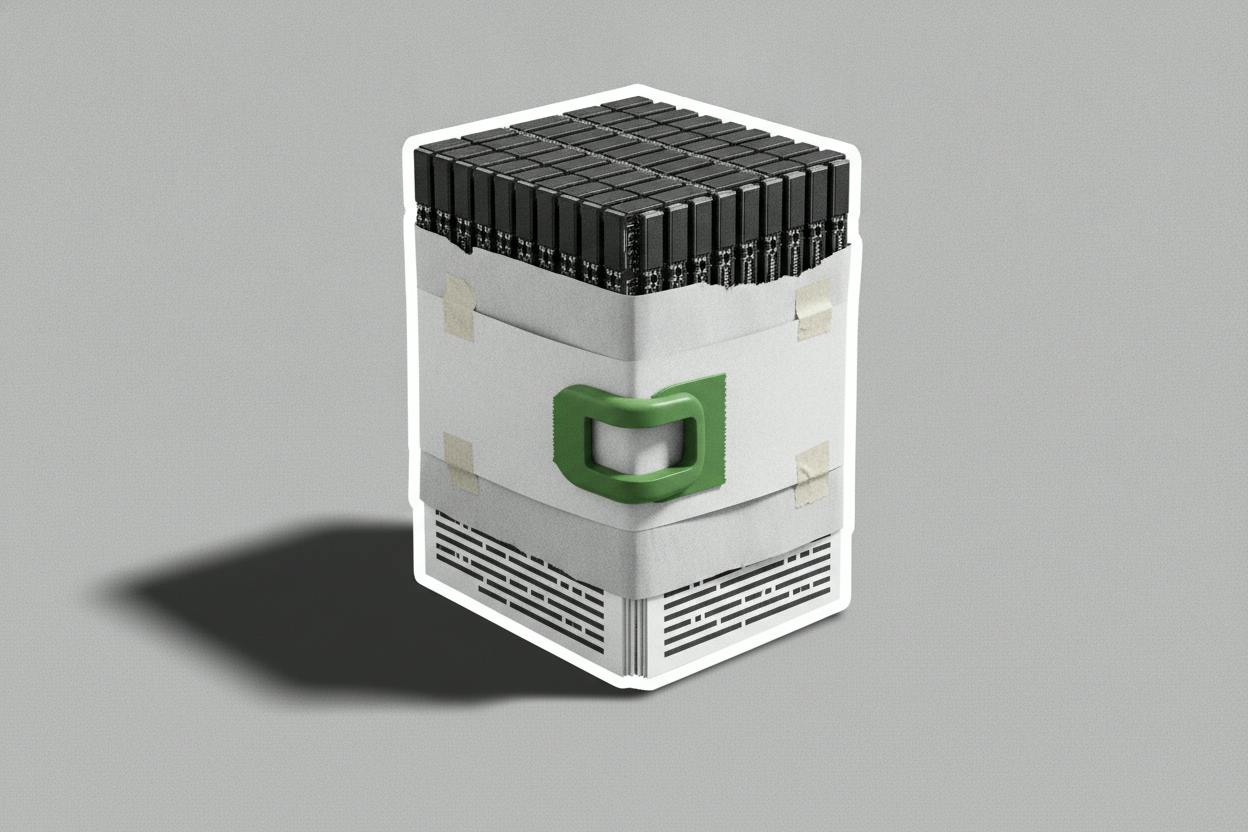
The loan would be used to buy Google's Tensor Processing Units (TPUs), the specialized processors Google designed for AI workloads. What makes the deal notable is how the debt is structured: it is backed by the chips themselves and by the customer contracts that commit future payments to Crux AI. That means lenders are betting not just on the hardware, but on the revenue those chips are expected to generate.
Why AI needs so much money
Training and running large AI models requires enormous amounts of computing power. That means buying expensive chips, building data centers to house them, and paying for the electricity to keep them running. For companies like Google, Amazon, and Microsoft, the cost of AI infrastructure has become one of the biggest line items in their capital budgets.
Google's TPUs are a key part of its AI strategy. Unlike the graphics cards from Nvidia that dominate much of the AI chip market, TPUs are designed in-house and are often cheaper for Google to deploy at scale. By selling access to that computing power through a cloud service, Google can monetize its hardware without having to build and operate every data center itself.
Blackstone, the world's largest alternative asset manager, brings deep pockets and experience in financing large infrastructure projects. The two companies announced Crux AI in May, with the goal of selling AI computing capacity to businesses that need it but don't want to build their own data centers.
How the loan works
The loan is structured as an asset-backed facility, meaning the lenders can seize the chips or the revenue from customer contracts if Crux AI fails to repay. This type of financing is common in industries like aircraft leasing or shipping, where the underlying asset has clear value. But applying it to AI chips is relatively new.
For the banks, the appeal is that the loan is secured by something tangible. Chips can be resold, and customer contracts provide a predictable stream of payments. For Crux AI, the benefit is that it can borrow against future revenue rather than having to raise equity, which would dilute ownership.
The fact that 10 banks are willing to participate suggests there is strong appetite for AI-related debt, even as concerns about a possible bubble in AI spending persist. It also shows how the AI boom is creating new financial instruments, much like the growth of cloud computing earlier led to new ways of financing data centers.
What it means for investors
For everyday investors, this deal is a reminder that AI's growth is not just about tech stocks. It is also driving activity in the credit markets, where banks and institutional investors are taking on risk tied to AI infrastructure.
If you own shares in banks or asset managers like Blackstone, this type of deal could be a modest positive, as it generates fees and interest income. But it also adds exposure to AI risk: if the AI boom fades or if customer contracts fall through, the value of the collateral could drop.
For those invested in Google's parent company Alphabet, the deal is another sign that the company is serious about monetizing its AI hardware. By partnering with Blackstone, Google can offload some of the financial burden of building AI capacity while still benefiting from the demand for its chips.
It is also worth noting that this is not the first time Blackstone has been involved in large infrastructure deals. The firm has been active in areas like energy and data centers, and its move into AI financing fits that pattern.
For investors watching the broader market, the deal underscores how much capital is flowing into AI. That can be a positive for economic growth, but it also raises questions about whether all that spending will eventually pay off. As with any new technology, there is a risk that the hype outpaces the reality.
In the meantime, the loan is still being arranged, and the final terms could change. But the fact that it is happening at all is a sign of how central AI has become to the financial system.