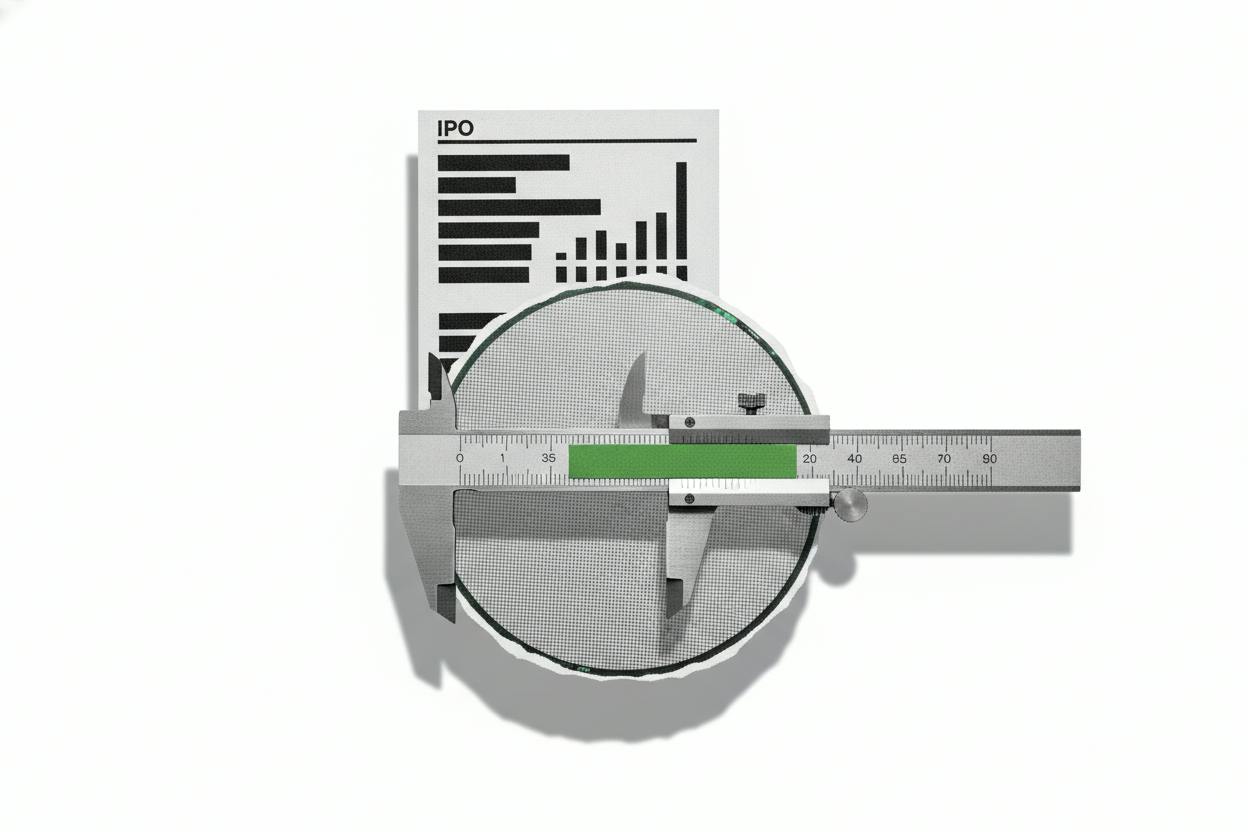
Anthropic's long-anticipated initial public offering is taking shape as a test of restraint rather than a record-breaking headline. According to reporting from The Wall Street Journal, prospective buyers are pushing for the AI developer to be valued in the $1.5 trillion to $1.6 trillion range — well below the $2 trillion figure that had been floated in earlier speculation. The shift suggests that even in a hot market for artificial intelligence assets, investors are increasingly focused on what they are willing to pay on day one, not just what the story could be worth someday.
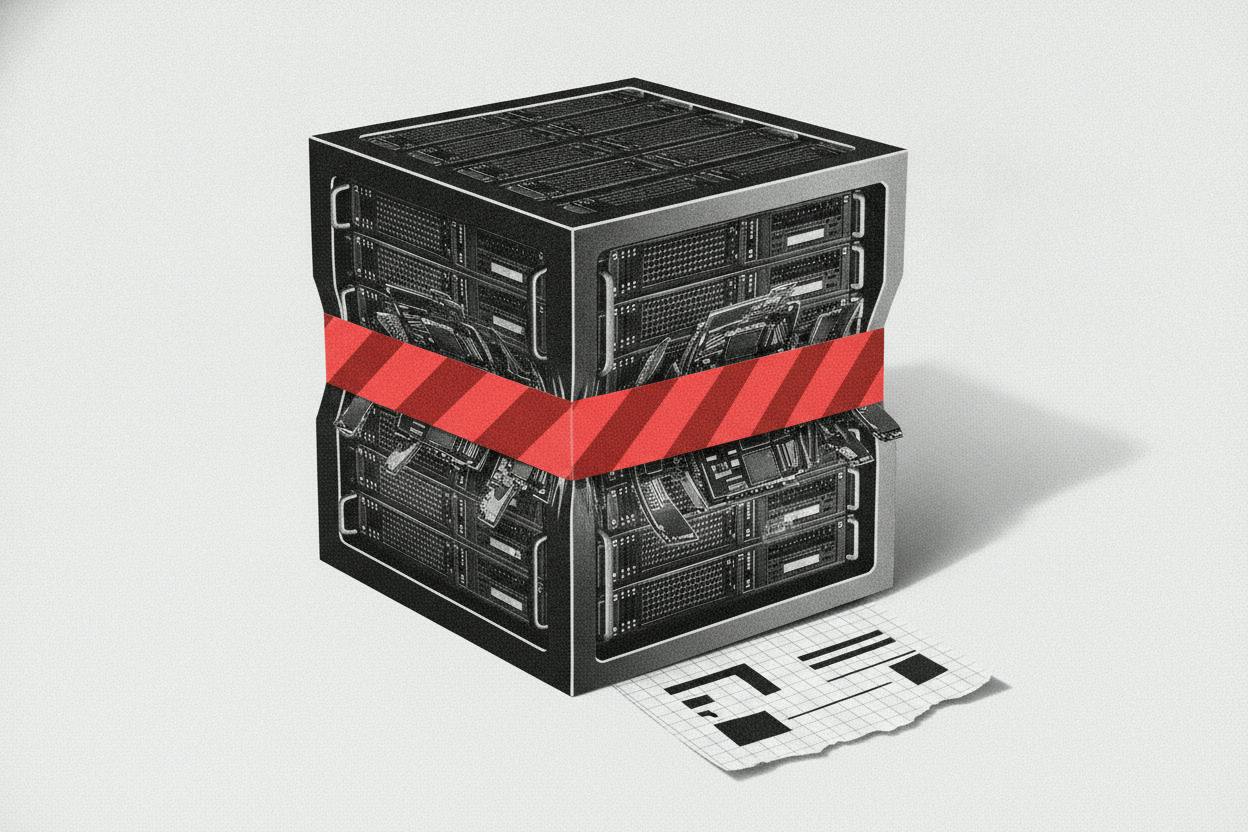
At the same time, The Information reported that Anthropic is pitching a self-reinforcing narrative to would-be shareholders: its Claude models are helping the company's own chip team design custom silicon faster. If that claim holds up, it could shorten a development process that has traditionally been dominated by semiconductor giants like Nvidia and AMD. The idea is that AI can lower both the cost and the time required to build the computing power that AI itself depends on — a loop that, in theory, makes the business more efficient as it scales.
Why the valuation range matters beyond Anthropic
IPO prices do more than assign a value to a single company. They become a shorthand benchmark that bankers, analysts and investors use to value similar businesses. A $1.5–1.6 trillion listing for Anthropic would set a new anchor for what "best-in-class" AI is worth — and it would be lower than the $2 trillion figure that had been circulating. That matters because a lower anchor reduces the "story premium" that other AI-focused firms can point to when justifying lofty valuations without clearer profit and cash-flow trends.
The effect would be most pronounced for AI-adjacent software and compute companies whose share prices lean heavily on long-term growth expectations. Small changes in the valuation anchor can ripple through how comparable multiples get set for the next wave of listings and late-stage private funding rounds. In other words, the price Anthropic accepts could quietly reset the terms for a whole cohort of companies waiting in the wings.
This is not happening in a vacuum. AI-linked tech and chip stocks have been climbing, but there are signs of caution. Recent market action has seen Asian tech stocks slide as AI valuation worries return, and some prominent investors have drawn comparisons between the current boom and historical bubbles. The pushback on Anthropic's price tag fits that pattern: enthusiasm for the technology remains high, but the willingness to pay any price is being tested.
The chip-design claim and the cost question
Anthropic's pitch that Claude is accelerating its custom silicon work is notable because chip design is one of the most capital- and time-intensive parts of the AI supply chain. Developing advanced semiconductors typically takes years and billions of dollars, and the market has been dominated by a handful of specialists. If AI models can genuinely speed up that process, it could reduce a major cost center for AI developers and lessen their reliance on external suppliers.
That said, the claim is still early. There is no public financial evidence yet showing how much time or money Anthropic is actually saving, or whether the resulting chips perform competitively. Until more details emerge — likely in the IPO prospectus or subsequent disclosures — the chip-design angle remains a narrative that supports the broader investment case rather than a proven financial driver. Investors will want to see hard numbers on research-and-development spending, capital expenditures and gross margins before treating it as a durable advantage.
The broader context is that AI's capital hunger is reshaping how big tech companies fund themselves. As the industry's computing demands grow, firms are increasingly returning to capital markets for fresh funding, a trend explored in coverage of how AI's capital hunger is pushing big tech back to fundraising. Anthropic's IPO would be a major test of whether public investors are willing to supply that capital at the valuations private markets have grown accustomed to.
What it means for investors
For everyday investors, the Anthropic IPO debate is less about whether to buy the stock — that decision depends on personal circumstances and the final prospectus — and more about what it signals for the wider market. A $1.5–1.6 trillion valuation would still make Anthropic one of the most valuable companies in the world. But the fact that investors are negotiating downward from $2 trillion suggests the market is trying to separate the AI narrative from the price it is willing to lock in.
That distinction matters for anyone holding AI-related stocks, funds or retirement accounts with heavy tech exposure. If the anchor for AI valuations settles lower, it could pressure the multiples of companies that have been priced for perfection. Conversely, a successful IPO at a more disciplined valuation could reassure investors that the market is not in a pure bubble, potentially supporting the sector over the longer term.
Key things to watch next include the formal IPO filing, which should reveal Anthropic's revenue growth, losses and spending plans; any updates on the custom silicon program; and how comparable AI companies trade in the weeks around the listing. The reaction of major chip stocks will also be telling, since a credible in-house chip effort could eventually shift the balance of power in the semiconductor supply chain.
For now, the story is one of a market that still loves AI but is increasingly asking for evidence — and a company that is trying to provide it. The final valuation will be the clearest signal yet of how much investors are willing to pay for that combination.