Anthropic, the artificial intelligence company behind the Claude chatbot, is reportedly weighing new rules for how its employees could sell shares after a potential initial public offering. According to a report from The Information, cited by Reuters, the company is considering requiring staff to use preset trading plans known as Rule 10b5-1 plans, while also debating limits on first-day sales and post-IPO lockup periods.
These discussions signal that Anthropic is taking concrete steps toward a public listing, even as it remains a private company. The moves are designed to prevent insider trading allegations and to avoid a flood of shares hitting the market right after the IPO, which could depress the stock price.
What Are Rule 10b5-1 Plans?
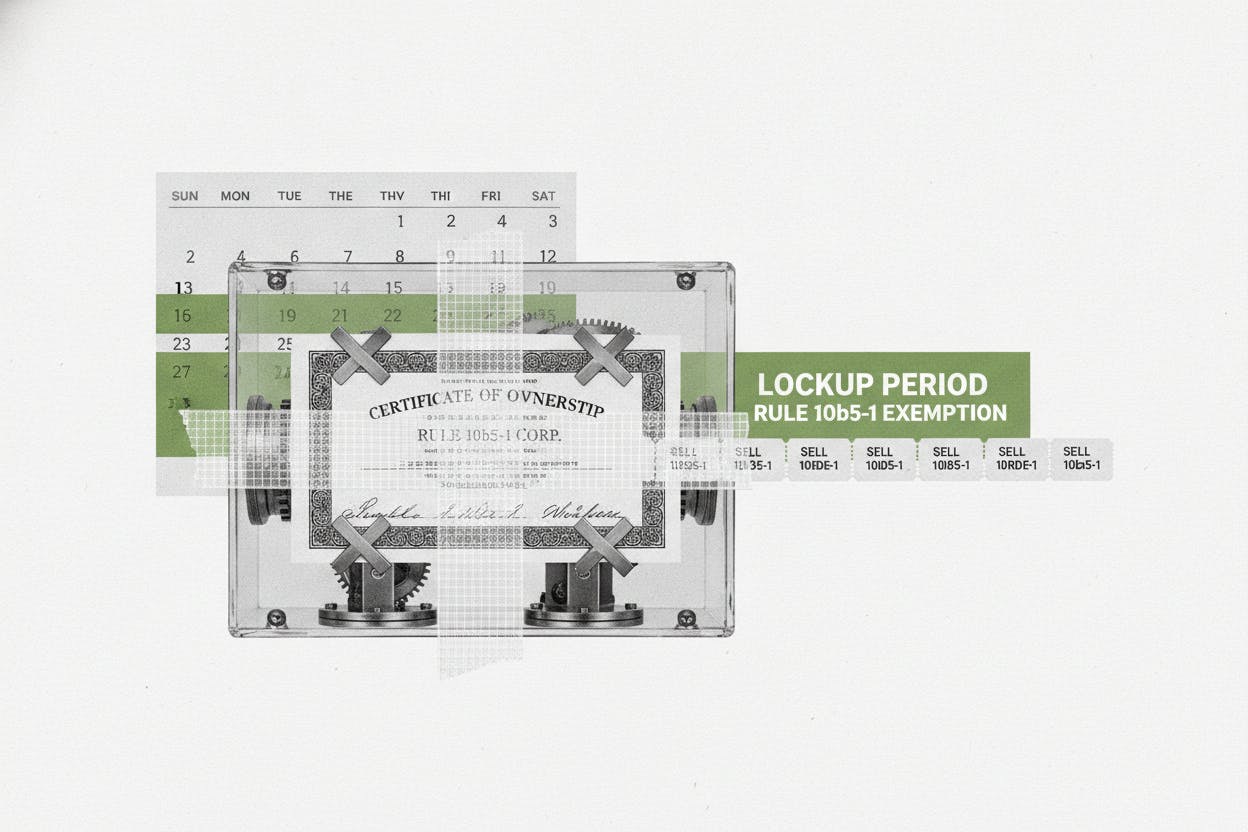
Rule 10b5-1 plans are pre-arranged trading programs that allow company insiders—such as executives and employees—to sell shares at predetermined times or prices. By setting up these plans in advance, insiders can avoid accusations of trading on material, non-public information. The Securities and Exchange Commission (SEC) has encouraged their use as a way to ensure fair markets.
For Anthropic, requiring employees to use such plans would be a proactive step to manage compliance risks. Many public companies already mandate or strongly encourage 10b5-1 plans for top executives, but extending them to a broader employee base is less common. It suggests Anthropic is taking a cautious approach to governance as it prepares for the scrutiny that comes with being a public company.
Lockups and First-Day Selling Limits
In addition to 10b5-1 plans, Anthropic is reportedly debating lockup periods—time frames after the IPO during which employees and early investors cannot sell their shares. Typical lockups last 90 to 180 days. The company is also considering limits on how many shares employees can sell on the first day of trading.
These measures are common among companies going public. Lockups help stabilize the stock price by preventing a sudden oversupply of shares. First-day selling limits can further reduce volatility, ensuring that the market has time to absorb the new stock without a rush of insider sales.
Anthropic's deliberations come as the IPO market shows signs of revival after a prolonged slump. The company, which has raised billions from investors including Google and Amazon, is one of the most anticipated tech IPOs in recent years. Its success could have ripple effects across the AI sector and the broader market.
What It Means for Investors
For everyday investors, Anthropic's internal rule-making is a signal that the company is serious about going public. The details of these rules will matter when the IPO eventually happens. Stricter lockups and selling limits could be seen as positive, as they reduce the risk of a post-IPO price collapse. However, they also mean that employees and early backers will be locked in for longer, which could affect the stock's liquidity.
Investors should also note that Anthropic is still in the early stages of planning. The company has not yet filed for an IPO, and the rules it is considering could change. The broader context is that AI companies are under intense scrutiny from regulators and the public, and how they handle insider trading and market stability will be closely watched.
Anthropic's approach mirrors that of other high-profile tech IPOs. For example, companies like T-Mobile have used similar mechanisms to manage investor expectations. The AI sector, in particular, has seen a divergence in performance, as seen in European chip stocks, where demand for AI-related chips has boosted some companies while others lag.
As Anthropic moves closer to an IPO, investors will want to watch for the final terms of its lockup and trading plans. These details will be included in the company's S-1 filing with the SEC, which will provide a fuller picture of its financial health and governance practices.
The Bigger Picture
Anthropic's IPO preparations come at a time when the stock market is navigating a complex environment. US households now hold more wealth in stocks than real estate for the first time since World War II, underscoring the importance of equity markets to everyday investors. Meanwhile, geopolitical tensions and commodity price swings, such as oil surging past $99, continue to create volatility.
For now, Anthropic's internal discussions are a reminder that even the most hyped companies must navigate the practicalities of going public. The decisions it makes about employee stock sales could set a precedent for other AI startups eyeing the public markets.