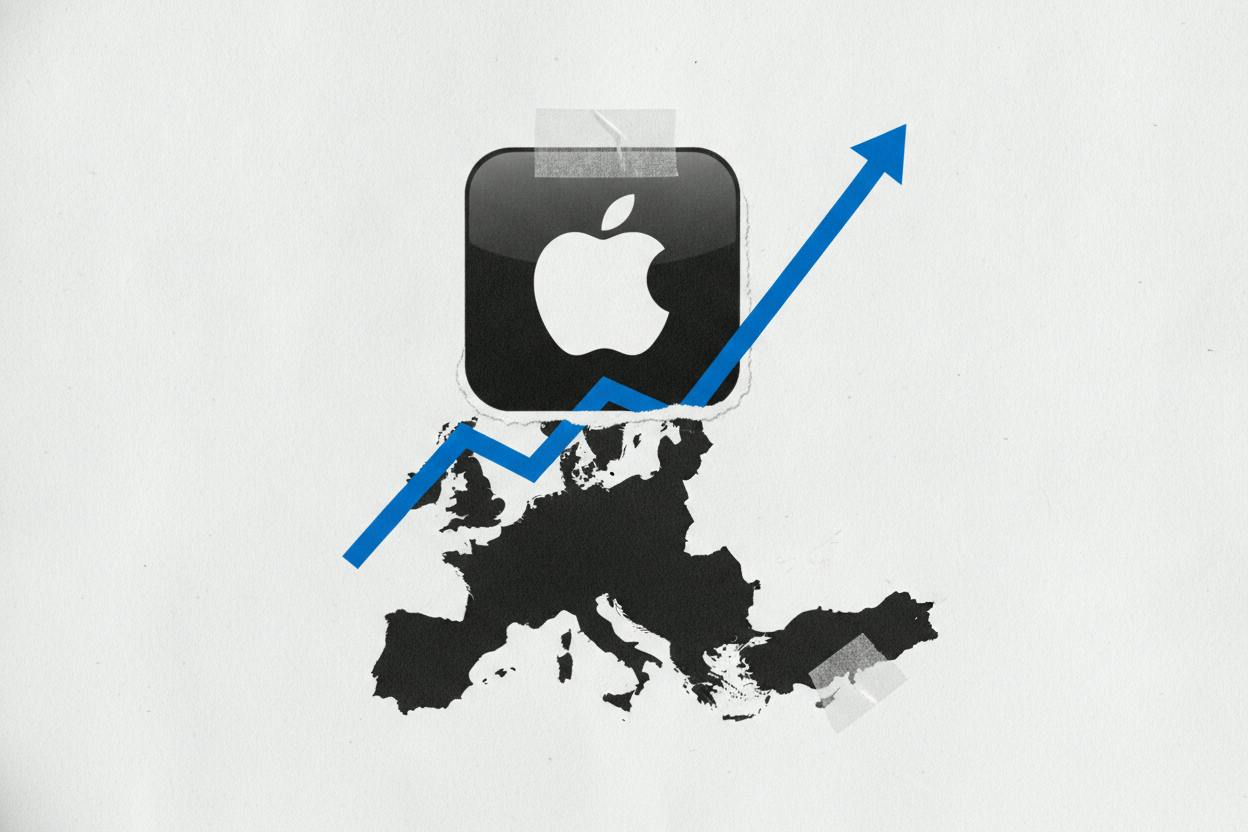
Apple's App Store showed a welcome rebound in September, but UBS is not ready to celebrate. The investment bank flagged a 5% year-over-year increase in App Store revenue for the month, which helped lift Apple's fiscal fourth-quarter App Store growth to 2% (or 1% excluding currency effects) after a flat August. However, UBS kept its neutral rating on the stock, pointing to a tougher October comparison and the start of European Union rule changes that could weigh on the segment.
Why the App Store matters
The App Store is a key part of Apple's Services business, which includes everything from iCloud and Apple Music to the App Store and Apple Pay. Services have become increasingly important to Apple's bottom line because they carry much higher profit margins than hardware. While iPhones and Macs require expensive components and manufacturing, the App Store is essentially a digital storefront—once it's built, each additional transaction adds revenue with relatively little extra cost. That's why investors watch Services growth closely: even small shifts in this segment can have an outsized impact on Apple's overall earnings.
UBS's data suggests that after a sluggish August, September brought a pickup in App Store spending. But the bank cautions against reading too much into a single month. October faces a 180 basis point tougher comparison versus the same month last year, meaning the year-over-year growth rate will be harder to achieve. A basis point is one-hundredth of a percentage point, so a 180 basis point headwind is a significant hurdle.
The EU rule changes
Adding to the uncertainty, October is the first full month under new European Union rules that change how the App Store operates. The EU's Digital Markets Act, which took effect earlier this year, requires Apple to allow alternative app stores and payment systems in the region. This could reduce Apple's commission revenue from app sales and in-app purchases, as developers may choose to bypass Apple's payment system to avoid the 15% to 30% fee.
UBS notes that the EU accounts for just over 10% of App Store revenue, so the impact is contained but not negligible. The rule changes are a clear, testable event in a meaningful region, and how they play out could influence how investors think about the durability of Services growth even outside Europe. If EU developers shift to alternative payment methods, it could set a precedent for other regulators and potentially pressure Apple's Services margins globally.
What it means for investors
For investors, the key takeaway is that September's bounce is not enough to change the narrative. UBS left its Services forecasts unchanged and kept a neutral rating, signaling that the next data points are more likely to move expectations than last month's rebound. The market reaction to a cooler October would likely not be a debate about September; instead, analysts would revise forward estimates, which can quickly change the valuation investors are willing to pay for Apple's stock.
Apple's Services segment has been a growth engine for the company, but it is not immune to regulatory and competitive pressures. The EU changes are a specific, contained test, but they could have broader implications. If Services growth slows, it could weigh on Apple's overall earnings outlook, even if hardware sales remain strong.
For everyday investors, this news is a reminder that even the most reliable-looking growth stories can face headwinds. While Apple remains a dominant player, the App Store's performance is not guaranteed, and regulatory changes can alter the economics of digital marketplaces. As always, it's wise to consider how such factors might affect your portfolio, rather than reacting to a single month's data.
UBS's cautious stance also fits a broader theme in the tech sector, where investors are increasingly focused on regulatory risks and the sustainability of growth. For more on how markets are reacting to similar pressures, see our coverage of bond markets weighing strong US growth and Wall Street profits near record.
In the coming weeks, all eyes will be on October's App Store data and any signs of how the EU changes are affecting developer behavior. If the tougher comparison leads to a slowdown, it could prompt a reset in Services growth expectations, which would be a key test for Apple's stock. Until then, UBS's neutral stance suggests that patience is warranted.