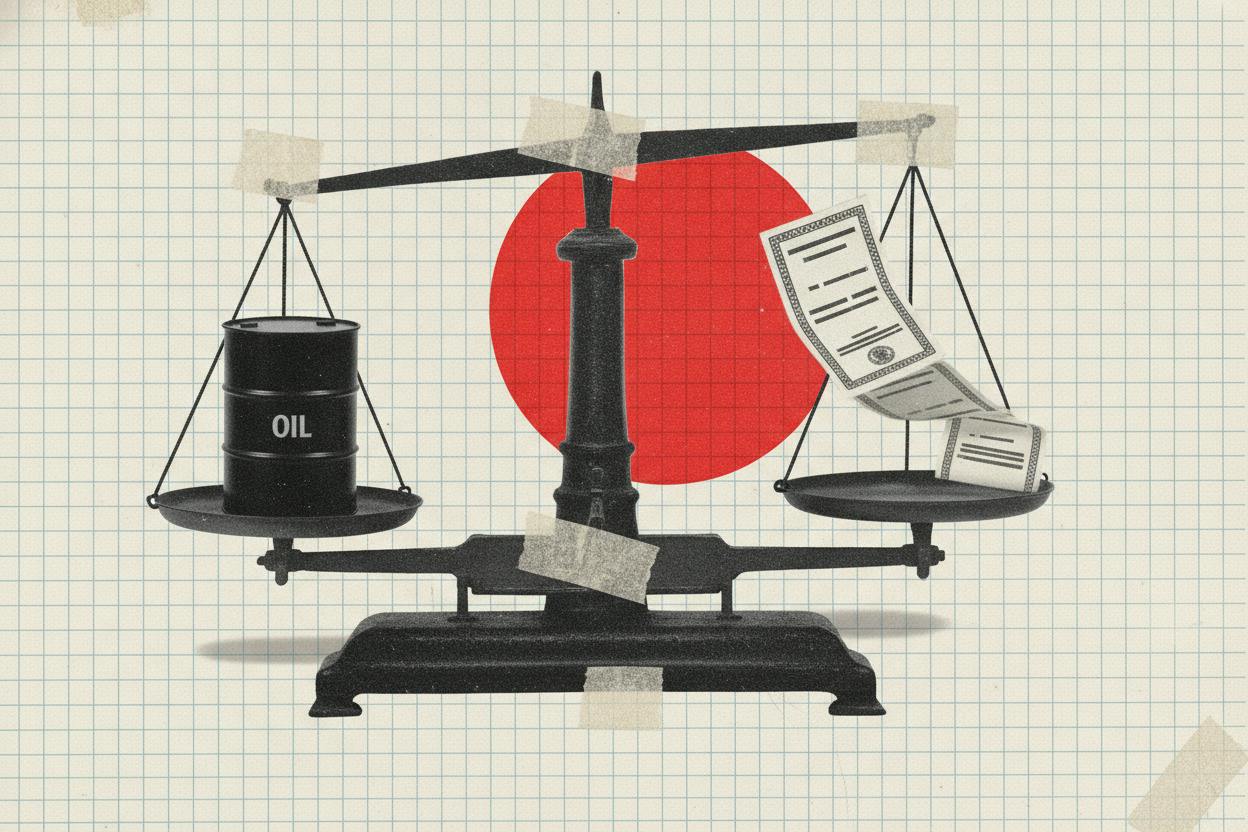
Global markets opened Tuesday in a familiar tug-of-war: US Treasuries softened in Asia, Brent crude hovered near $100 a barrel, and investors weighed fresh signals from Washington, Tokyo, and Berlin. The mix keeps inflation concerns at the forefront as traders rethink how fast economies can grow without keeping interest rates elevated.
Strong US growth, but bond yields stay high
US Treasury Secretary Scott Bessent said third-quarter growth was “well in excess of 3%” and argued that could bring the debt burden down quickly. Coming as bonds weakened early in Asia, the comment read as another reminder that strong data can keep yields elevated. For everyday investors, higher Treasury yields mean borrowing costs for mortgages, car loans, and corporate debt tend to stay higher, which can weigh on stock valuations.
Commerzbank, a German bank, noted that major currencies were stuck in tight ranges while oil held near $100. That combination keeps inflation worries close at hand as investors question how much longer central banks can hold rates at current levels without choking off growth.
Oil near $100: a double-edged sword
Brent crude hovering near $100 a barrel is a significant level. It raises the cost of fuel and energy, which feeds directly into consumer prices and can push central banks to keep policy tight. At the same time, higher oil prices can boost energy producers' profits but squeeze industries that rely heavily on fuel, such as airlines and shipping.
Politics added cross-currents. Bloomberg reported that President Donald Trump is expected to ease rules around tax-exempt “red diesel,” which can affect fuel demand at the margins. Meanwhile, Iran called talks with the US “meaningless,” according to Commerzbank, a reminder that geopolitical tensions can keep a risk premium in oil prices.
Japan's central bank stays cautious
Japan provided the clearest bond signal. Reuters reported that many Bank of Japan policymakers remain hesitant to raise rates in October, preferring clearer evidence on financial conditions. That caution lined up with Commerzbank's note that Japanese government bonds steadied after a strong 10-year auction, suggesting investors are still willing to fund Japan at current yields.
If traders think an October hike is less likely, they typically lower their expectations for where Japan's policy rate is heading in the near term. That makes longer-dated Japanese government bonds look less risky, so a strong 10-year auction can help put a floor under 10-year yields. And because global bond markets often take cues from Japan's rate path, steadier Japanese yields can reduce the odds of a sudden, Japan-led repricing that ripples into US and European government bonds.
Germany's coalition under pressure
In Europe, Bild reported that Germany's governing coalition faces a confidence check at a Wednesday committee meeting. Political instability in Europe's largest economy can affect investor sentiment across the region, as it raises questions about fiscal policy and economic reform. For investors, this adds another layer of uncertainty to an already complex picture.
What it means for investors
For markets, the BoJ's caution makes Japan's 10-year auction a bigger signal. A strong auction suggests that investors are comfortable with current yields, which can help stabilize global bond markets. Conversely, a weak auction could reignite concerns about rising yields and trigger a sell-off in bonds worldwide.
For everyday investors, the key takeaway is that inflation remains a central theme. With oil near $100 and strong US growth, central banks may be less inclined to cut rates soon. That means bond yields could stay elevated, and stock markets may continue to see volatility as investors adjust their expectations.
As always, it's wise to keep a diversified portfolio and avoid making sudden moves based on short-term market swings. The tug-of-war between growth, inflation, and central bank policy is likely to persist for some time.