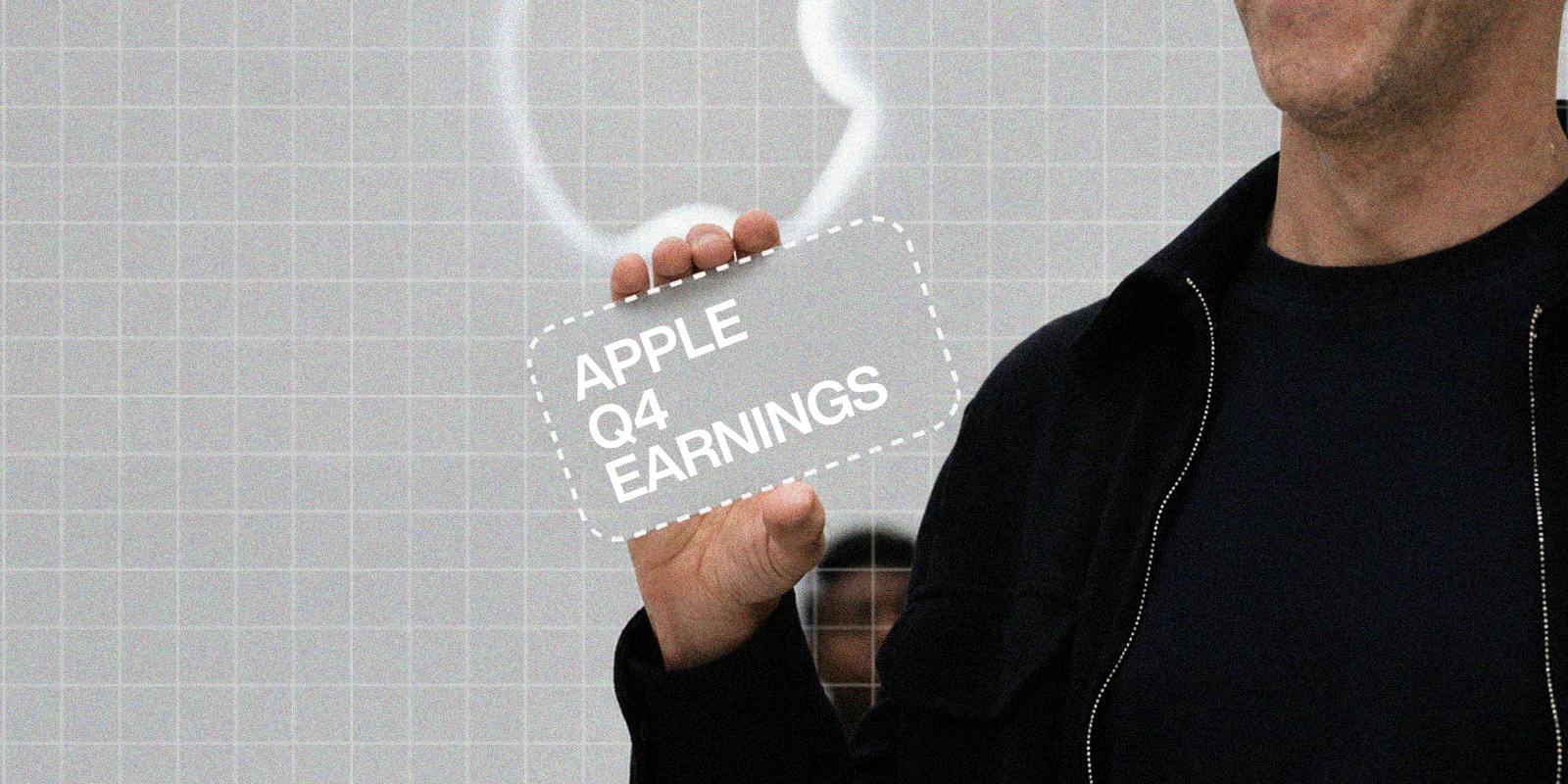
Apple delivered its first earnings report under its new chief executive late on Monday, and the headline numbers were bright: quarterly revenue climbed 12% to $114.5 billion, beating the $113.4 billion analysts had expected. But beneath the shiny top line, a familiar problem was gnawing at the bottom line — soaring memory chip costs that ate into profit margins and left the company's earnings looking more lackluster than investors had hoped.
Sales beat, but costs bite
The revenue beat was driven largely by the iPhone, which remains Apple's cash cow. iPhone sales brought in $57.6 billion for the quarter, topping forecasts even though the period included just eight days of sales for the new iPhone 18 Pro. That suggests strong early demand for the latest model, and it helped offset some of the pressure from higher component costs.
Apple's services business — which includes the App Store, Apple Music, iCloud, and other subscriptions — also grew 10% in the quarter, in line with what Wall Street had expected. Services have become an increasingly important part of Apple's story, as they carry much higher profit margins than hardware and provide a steadier stream of recurring revenue.
But not everything went according to plan. Sales in China, one of Apple's most important markets, came in below expectations, even though they still jumped more than 20% from a year earlier. The shortfall in China is a reminder that Apple faces intense competition there from domestic rivals like Huawei and Xiaomi, and that its performance in the region can be volatile.
Why memory chip costs matter
The biggest drag on Apple's profit was the rising cost of memory chips — the components used to store data in iPhones, iPads, and Macs. Memory chip prices have been climbing sharply over the past year, driven by a supply shortage and strong demand from data centers and artificial intelligence applications. For a company like Apple, which buys these chips in massive volumes, even a small increase in price can have a noticeable impact on margins.
This is not a problem unique to Apple. Many hardware makers are feeling the pinch from higher component costs, and the broader tech industry has been grappling with supply chain pressures. But Apple's size and its premium pricing strategy have historically given it some insulation from such cost pressures. The fact that margins are being squeezed suggests that even the world's most valuable company is not immune to the current chip market dynamics.
Investors will be watching closely to see whether Apple can pass these higher costs on to consumers through price increases, or whether it will have to absorb them and accept thinner profits. The company has already raised prices on some models in certain markets, and it may need to do more if chip costs keep climbing.
What it means for investors
For everyday investors, the key takeaway is that Apple's business is still growing, but the cost environment is getting tougher. The revenue beat is a positive sign, and the strong iPhone 18 Pro demand suggests that Apple's core product remains popular. But the profit squeeze is a reminder that even the most successful companies can be hurt by factors outside their control, like commodity prices and supply chain issues.
Investors should also note that this is Apple's first report under its new CEO, and the market will be looking for signs of continuity and strategic direction. The new leadership has inherited a company that is heavily reliant on the iPhone, and the pressure to diversify into services and new product categories will only intensify.
Looking ahead, the key questions for Apple will be whether it can maintain its pricing power, how it navigates the competitive landscape in China, and whether it can keep services growth on track. The company's ability to manage costs will also be crucial, especially if memory chip prices remain elevated.
For those with Apple in their portfolios, this report is a mixed bag — solid sales growth, but a profit picture that is less impressive than it could have been. As always, it's important to keep a long-term perspective and not overreact to a single quarter's results. Apple has a track record of weathering challenges, and its loyal customer base and ecosystem remain powerful advantages.
In the meantime, investors will be watching the broader tech sector for signs of how other companies are coping with similar cost pressures. The US factory growth report earlier this week showed that input costs remain sticky, which could be a harbinger for more margin pressure across the industry.
Apple's next earnings report will be a key test of whether the company can turn its sales momentum into stronger profits. Until then, the market will be weighing the positives of the revenue beat against the negatives of the cost squeeze.