Apple delivered a stronger-than-expected fiscal fourth-quarter report, with early demand for the iPhone 18 Pro and selective price increases helping to offset a sharp rise in memory-chip costs. The company also said its first foldable device, the iPhone Duo, continues to face supply constraints.
The numbers behind the beat
For the quarter, Apple reported sales of $114.48 billion, edging past the $113.39 billion analysts had penciled in. Earnings came in at $2.10 per share, above the $1.99 consensus, according to Reuters. The iPhone lineup did most of the heavy lifting, with revenue from the device exceeding expectations.
The results suggest that Apple's strategy of staggering its product releases—introducing the iPhone 18 Pro earlier than usual—is paying off. By getting the premium model into customers' hands sooner, the company captured demand that might otherwise have slipped into the next quarter.
Why memory-chip costs matter
Memory chips are a key component in smartphones, and their prices have been climbing as demand from data centers and AI applications soaks up supply. For Apple, higher component costs typically squeeze profit margins unless the company can pass them along to consumers.
Apple appears to have done exactly that. The company raised prices on some iPhone models, and early buyers of the iPhone 18 Pro were willing to pay up. That combination helped neutralize the cost pressure, keeping the quarter's profitability in line with expectations.
Investors have been watching how Apple navigates this cost environment, especially after some analysts warned that the company's earnings outlook for 2027 might be too optimistic. The latest report offers some reassurance that Apple can manage input-cost inflation without sacrificing growth.
The iPhone Duo: a supply-constrained debut
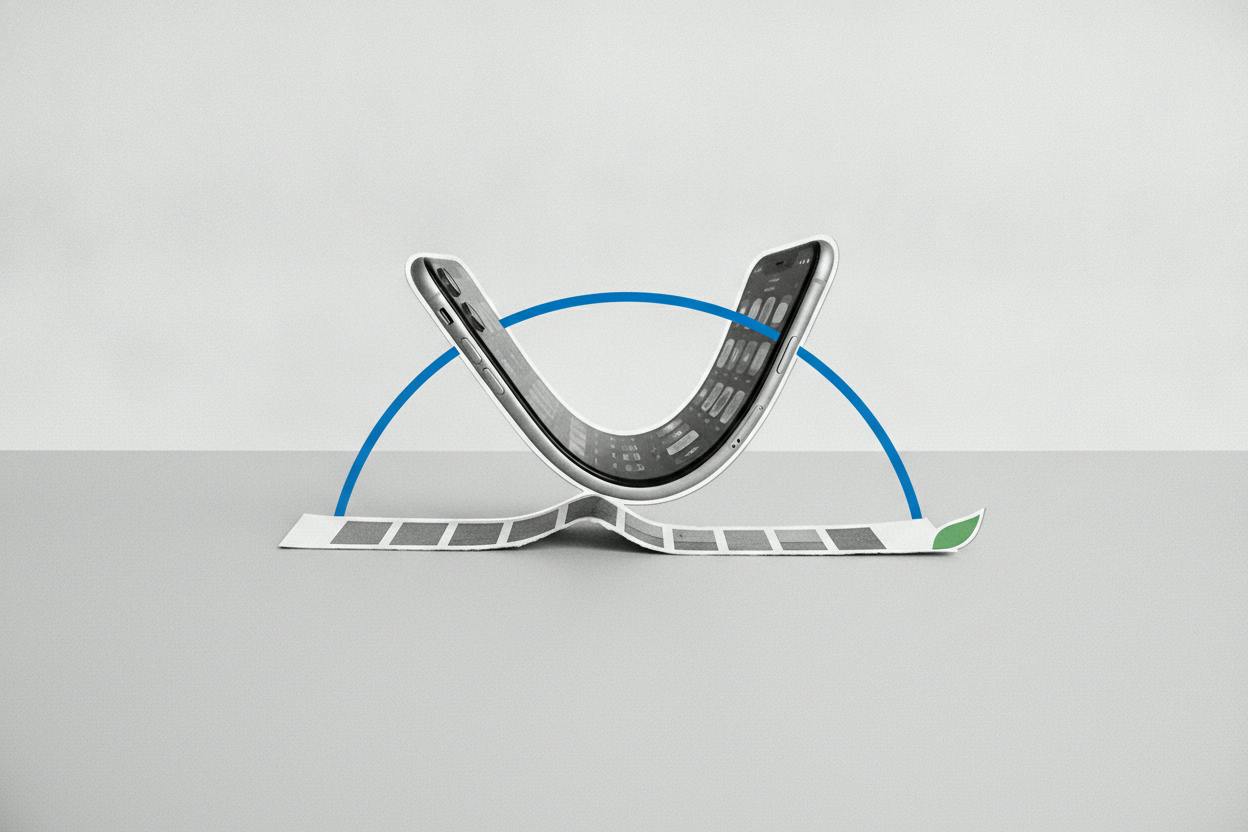
Apple's first foldable phone, the iPhone Duo, has generated significant buzz, but the company said it remains supply-constrained. That means demand is outstripping what Apple can produce, a common issue for new form factors as manufacturers ramp up production lines.
Supply constraints can be a double-edged sword. On one hand, they signal strong demand and can create a sense of scarcity that boosts brand appeal. On the other, they limit sales in the short term and can frustrate customers who have to wait weeks for delivery.
For Apple, the constraint is likely temporary. The company has a track record of resolving production bottlenecks over time, and the foldable category is still young. But it does mean the iPhone Duo's full sales potential won't be realized until supply catches up.
What it means for investors
Apple's ability to beat expectations despite headwinds is a positive signal for shareholders. The company remains the world's largest publicly traded firm, and its iPhone franchise continues to generate reliable cash flow.
The price increases are worth noting. If consumers accept higher prices without a meaningful drop in demand, that could support margins going forward. However, it also raises questions about how much pricing power Apple has in a competitive smartphone market.
The memory-chip cost issue isn't going away soon. As long as AI-driven demand keeps chip prices elevated, Apple will need to keep finding ways to offset those costs—whether through pricing, efficiency, or product mix.
Investors should also keep an eye on the iPhone Duo's supply situation. Once production ramps up, it could provide an additional growth driver. But until then, its contribution to revenue will be limited.
The broader picture
Apple's report comes at a time when the tech sector is navigating a mix of opportunities and challenges. AI is driving demand for chips and data-center infrastructure, which benefits some companies but raises costs for others. Apple's ability to thrive in this environment is a testament to its brand strength and operational discipline.
For everyday investors, the key takeaway is that Apple continues to execute well, even when the macro environment throws curveballs. The company's focus on premium devices and services has helped it maintain a loyal customer base that is willing to pay more.
As always, past performance isn't a guarantee of future results, and Apple faces risks from competition, regulatory scrutiny, and global supply-chain disruptions. But this quarter's results suggest the company is on solid footing.
For more on how other companies are navigating cost pressures and demand shifts, check out our coverage of Diamondback Energy's profit beat and Datadog's AI-driven usage growth.