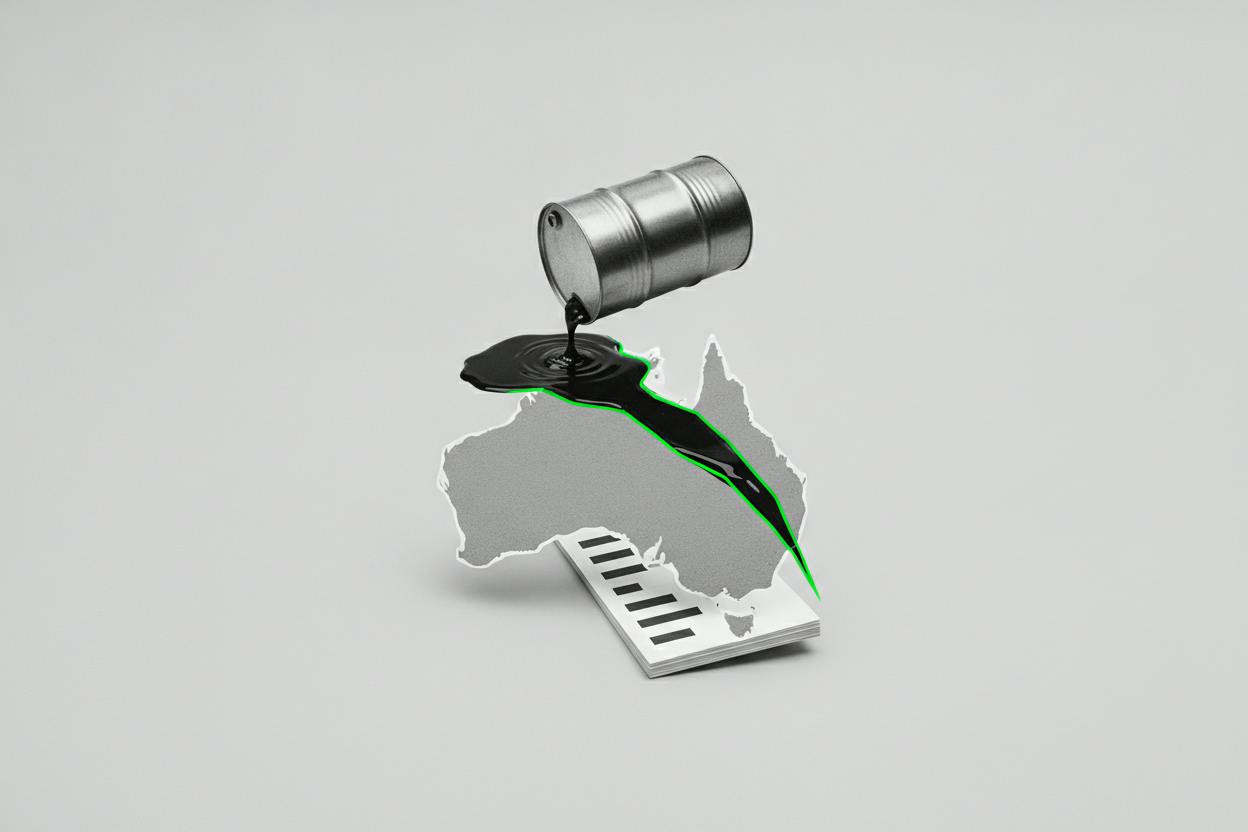
Australian stocks are poised to open higher on Tuesday, following a slide in global oil prices that has eased concerns about supply disruptions. The move comes as markets latch onto hopes of a diplomatic breakthrough between the United States and Iran, a development that could reduce tensions in the Middle East and, in turn, lower energy costs.
The optimism in equities comes despite a fresh reading on household sentiment. ANZ-Roy Morgan's consumer confidence gauge slipped to 66.2, a level that remains well below the neutral mark of 100, indicating that many Australians are still feeling pessimistic about the economy and their own finances.
Why oil prices are falling
Oil prices have dropped sharply in recent sessions as investors bet that the US and Iran may be moving toward a diplomatic resolution. Any easing of hostilities in the region would reduce the risk of supply disruptions from one of the world's most important oil-producing areas. The prospect of more stable supply tends to push crude prices lower, which can have a ripple effect across global markets.
For context, oil is a key input for everything from petrol to plastics, so cheaper crude can help bring down costs for businesses and households. It can also influence inflation, which central banks watch closely when setting interest rates. A sustained decline in oil prices could give central banks more room to ease monetary policy, a factor that often supports stock valuations.
This dynamic has been visible in other markets. In North America, for example, a similar drop in oil prices helped lift rate-sensitive stocks, as investors anticipated that lower energy costs might allow central banks to cut rates sooner. That connection between oil and equities is one reason why Tuesday's expected gains in Australia are being attributed, at least in part, to the crude price move.
Consumer confidence remains weak
The ANZ-Roy Morgan consumer confidence index, which fell to 66.2, is a closely watched barometer of household sentiment. Readings below 100 indicate that pessimists outnumber optimists, and the current level suggests that many Australians are worried about the cost of living, interest rates, and the broader economic outlook.
Consumer confidence matters because household spending is a major driver of economic growth. When confidence is low, people tend to save more and spend less, which can weigh on business revenues and, ultimately, on corporate earnings. That is why investors pay close attention to this gauge, even if it is not always a perfect predictor of future spending.
The dip in confidence comes at a time when the Reserve Bank of Australia has been keeping interest rates elevated to combat inflation. While there are hopes that rate cuts could come later this year, the path is uncertain, and households are feeling the pinch of higher mortgage repayments and living costs.
What it means for investors
For everyday investors, the combination of falling oil prices and weak consumer confidence presents a mixed picture. On one hand, cheaper energy can boost the profitability of companies that rely heavily on fuel, such as airlines, transport firms, and manufacturers. It can also help ease inflationary pressures, which might increase the chances of interest rate cuts down the track.
On the other hand, persistently low consumer confidence suggests that the domestic economy may remain sluggish. Retailers, hospitality businesses, and other consumer-facing companies could continue to face soft demand, which might limit their earnings growth.
Investors should also keep an eye on the energy sector itself. While lower oil prices are generally good for the broader economy, they are a headwind for oil producers and related companies, whose revenues are tied to the price of crude. A sustained drop in oil could weigh on the share prices of energy firms, even as it lifts other parts of the market.
As always, it's important to remember that markets are volatile and can change direction quickly. The expected gains on Tuesday are based on early indications and could shift as trading gets underway. Investors should focus on their long-term goals and avoid making impulsive decisions based on short-term market moves.
Looking ahead, the key factors to watch will be any further developments in US-Iran relations, the trajectory of oil prices, and whether consumer confidence shows signs of stabilising. Each of these could influence both the direction of the Australian market and the broader economic outlook in the weeks to come.