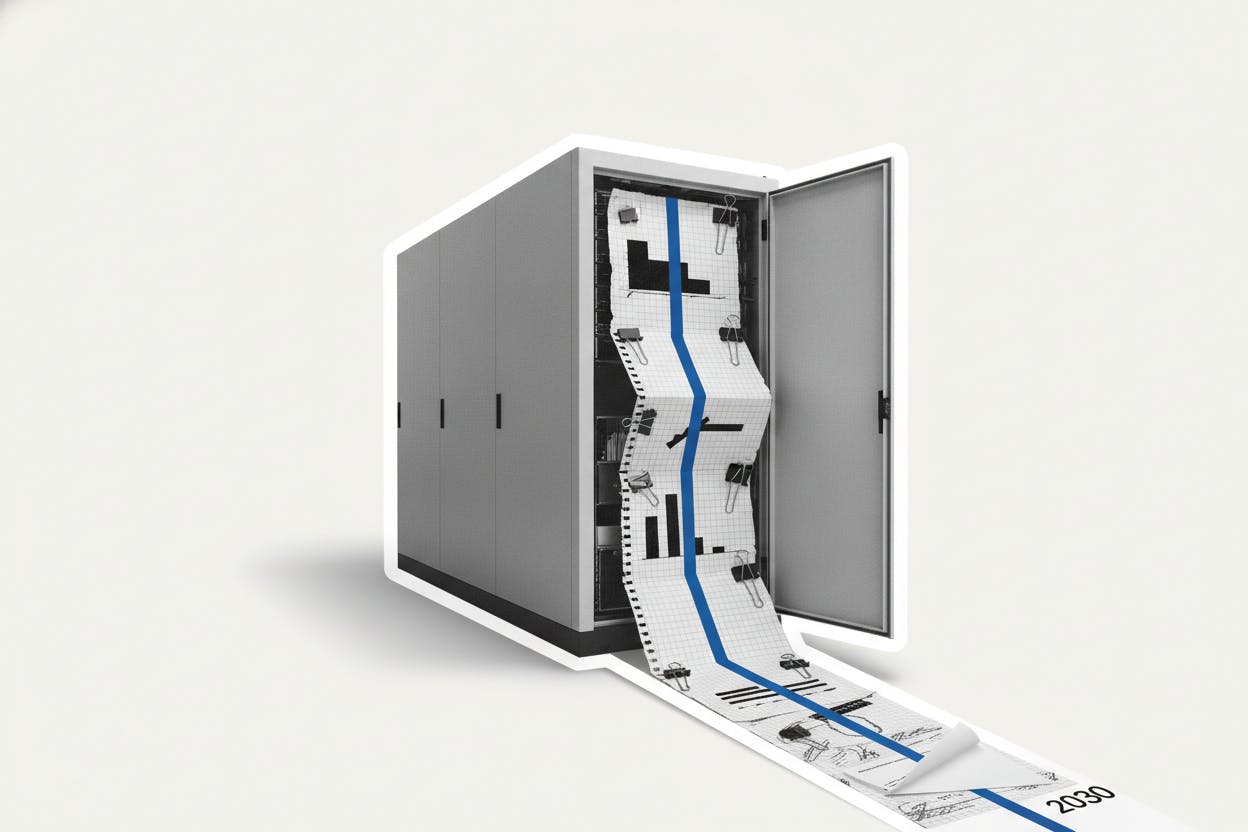
Applied Materials, one of the world's largest suppliers of semiconductor manufacturing equipment, is getting an unusually clear picture of future demand. CEO Gary Dickerson told Nikkei Asia that major chipmakers are now sharing their production equipment needs well beyond the typical planning horizon, with some providing directional guidance through 2030.
What's Happening
In an interview with Nikkei Asia, Dickerson explained that Applied Materials typically has visibility into customer demand for about eight quarters, or two years. But recently, some chipmakers have begun outlining their equipment requirements past 2027, and a few are even sketching needs out to 2030. This longer runway helps the company plan its own supply chain, staffing, and production schedules more effectively.
The news comes amid a broader surge in demand for advanced chips, driven by artificial intelligence, data centers, and electric vehicles. As AI data center demand surges, chipmakers are racing to build new fabrication plants, or fabs, which require highly specialized equipment from companies like Applied Materials.
Why It Matters
For Applied Materials, time and information are critical. The company builds custom tools used to etch, deposit, and polish silicon wafers into finished chips. These machines can take months to design, source components for, and assemble. Having a longer-term view of customer demand allows Applied Materials to secure raw materials, hire skilled workers, and allocate factory capacity more efficiently.
Dickerson's comments suggest that chipmakers themselves are becoming more confident in their long-term growth trajectories. That confidence is likely tied to structural trends like the proliferation of AI, the expansion of 5G networks, and the electrification of transportation. As lithium exports surge on EV and data center demand, similar dynamics are boosting semiconductor investment.
However, the semiconductor industry is notoriously cyclical. Booms in demand have historically been followed by busts when supply catches up or end-market demand softens. The fact that chipmakers are willing to commit to equipment plans through 2030 suggests they see these trends as durable, not temporary.
What It Means for Investors
For everyday investors, this news signals that the semiconductor equipment sector may have a more predictable revenue stream ahead than in past cycles. Applied Materials is a bellwether for the industry, so its visibility into future orders is a positive indicator for the broader chip ecosystem.
Investors should watch for upcoming earnings reports from Applied Materials and its peers, such as Lam Research and ASML, for further confirmation of this trend. If more chipmakers extend their planning horizons, it could reduce the volatility that has historically plagued semiconductor stocks.
That said, risks remain. Geopolitical tensions, particularly between the U.S. and China, could disrupt supply chains or limit exports of advanced chipmaking equipment. Additionally, any slowdown in AI investment or a broader economic downturn could cause chipmakers to delay or cancel fab projects.
Dickerson's interview with Nikkei Asia also comes as Asian markets rally on AI chip optimism, though oil price gains have capped broader advances. The intersection of AI demand and energy costs will be a key theme for investors to monitor.
Looking Ahead
Applied Materials' longer planning horizon is a vote of confidence in the durability of chip demand. But investors should remain cautious: long-term visibility is not the same as guaranteed revenue. Economic conditions, trade policy, and technological shifts can all alter the landscape quickly.
For now, the message from Applied Materials is clear: the chip industry is building for the long haul, and the equipment makers are being brought along for the ride.