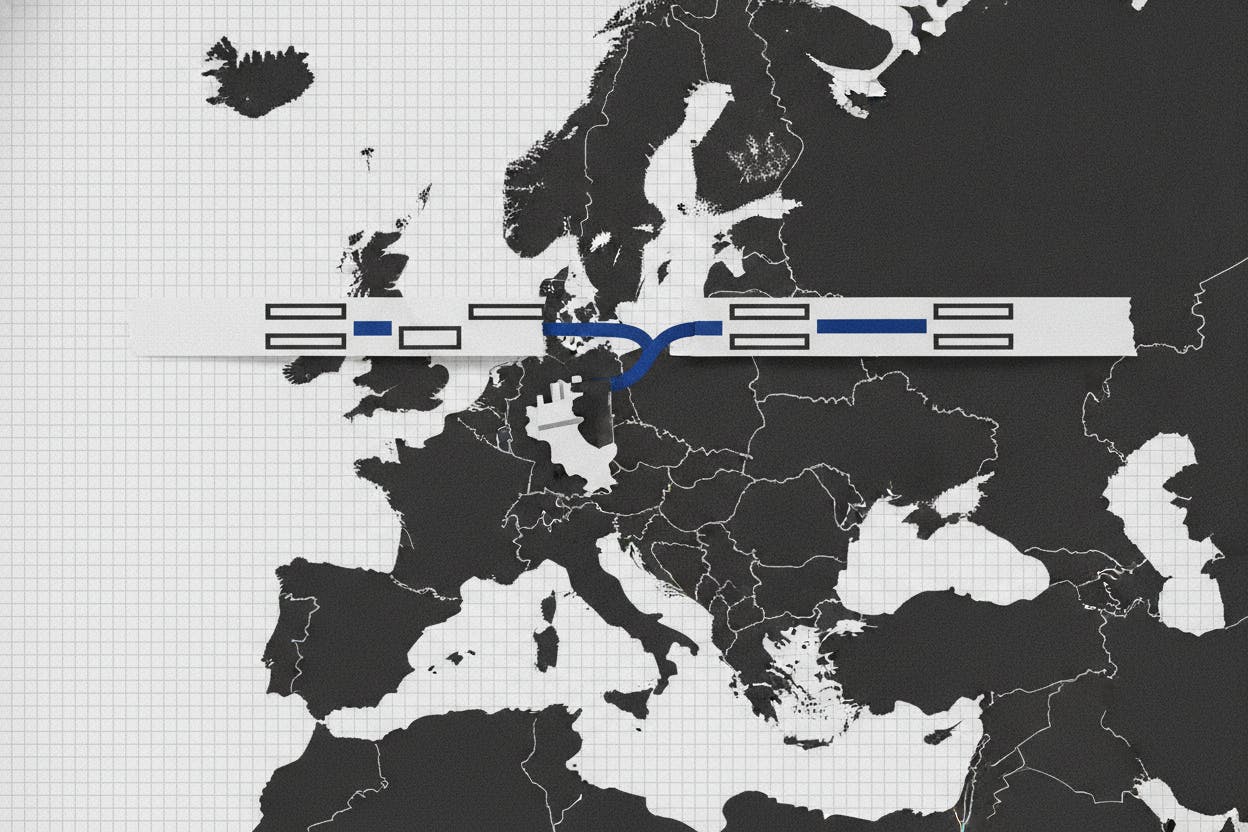
MFE-MediaForEurope, the pan-European broadcasting group, announced plans to roll out a single streaming platform across its markets beginning in January. The move will fuse the front-end interface of its Italian streaming app with the ad-supported technology from ProSiebenSat.1, the German broadcaster in which MFE holds a strategic stake.
What MFE Is Building
MFE operates major commercial broadcasters in Italy and Spain, including Mediaset and Telecinco. It has been steadily building a stake in ProSiebenSat.1 to gain scale in a fragmented European television market. Now it wants to create one streaming product that can work across borders.
The company will reuse ProSiebenSat.1's Joyn technology, which already offers ad-supported streaming, and pair it with MFE's Italian interface. Local programming and live shows will still be tailored by country, but the underlying tech stack will be shared. Rollout begins in January, with the platform expected to launch in phases across MFE's markets.
This is not a full merger of content libraries. Instead, MFE is standardizing the technology behind its streaming services while keeping local flavors. The approach mirrors what some global streamers have done: build a common platform but adapt content for each market.
Why This Matters for Investors
European broadcasters have been under pressure from global streaming giants like Netflix, Amazon Prime Video, and Disney+, as well as digital ad platforms like Google and Meta. These competitors have deep pockets and sophisticated ad-targeting technology, making it harder for local broadcasters to compete for viewers and advertising revenue.
By unifying its streaming platform, MFE aims to cut costs and improve the user experience. A single tech stack means less duplication in development and maintenance. It also allows MFE to gather more data on viewer habits across markets, which could help it sell targeted advertising more effectively.
For investors, the key question is whether this move can help MFE defend its market share and margins. The company has been investing in streaming for years, but profitability remains a challenge across the industry. Ad-supported streaming, or AVOD, has become a popular model as consumers push back against rising subscription prices.
MFE's strategy is similar to what other European broadcasters are doing. For example, Telenor's recent acquisition of Swedish broadcaster Bahnhof shows how telecom and media companies are consolidating to gain scale. The broader trend is toward fewer, larger players in European media.
Broader Market Context
European media stocks have had a mixed year. While some broadcasters have benefited from strong advertising markets, others have struggled with rising costs and shifting viewer habits. The recent rebound in European tech stocks has not fully lifted media names, which remain under pressure from structural changes.
MFE's move also comes as European regulators scrutinize big tech's dominance in digital advertising. The European Union's Digital Markets Act has forced changes at Google and Meta, potentially opening up opportunities for local players. But the impact on MFE's business remains uncertain.
Investors should watch how MFE's streaming platform performs in its first few months. Key metrics will include user growth, engagement, and advertising revenue. If the unified platform can attract more viewers and advertisers, it could boost MFE's financial results. If not, the company may need to consider further consolidation or partnerships.
For now, MFE is betting that a single streaming platform can help it compete in a market dominated by global giants. The January rollout will be a test of whether that bet pays off.