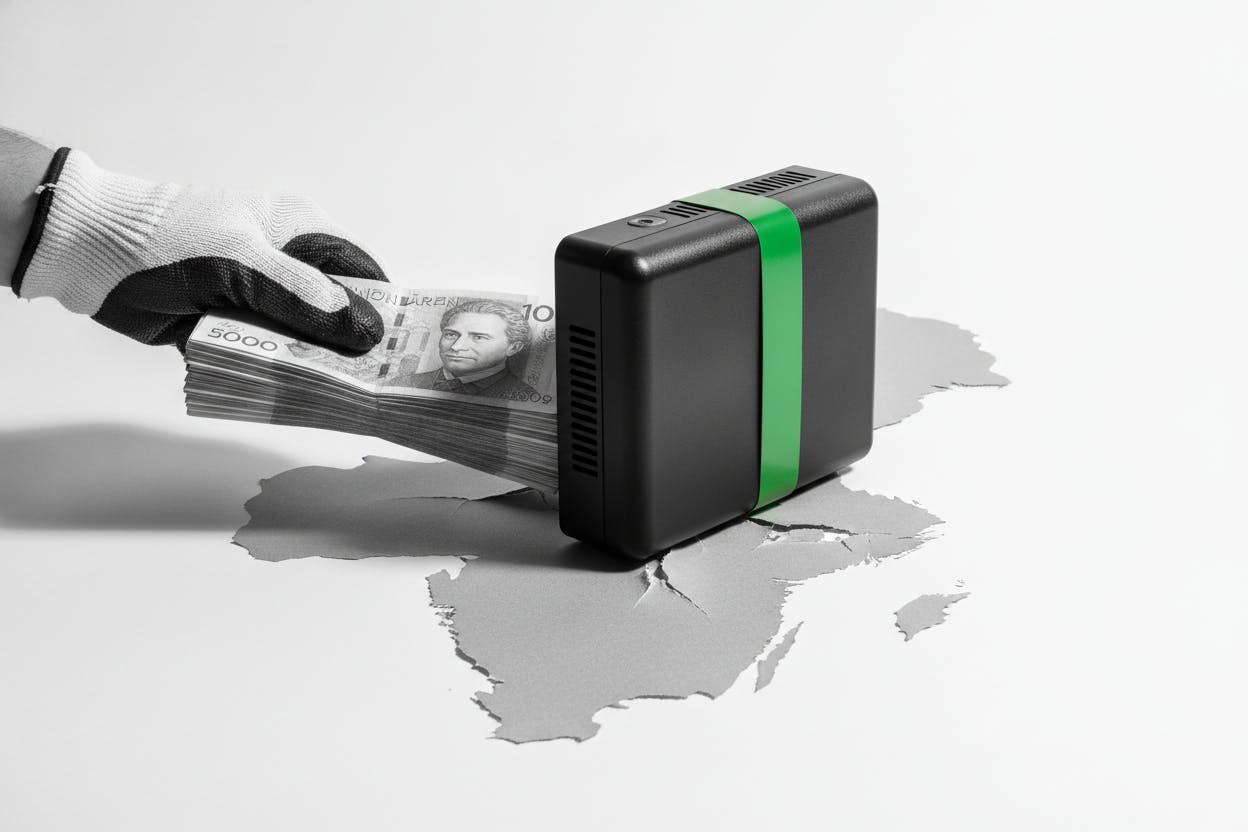
Norwegian telecom giant Telenor has agreed to acquire a controlling stake in Swedish broadband provider Bahnhof for 6.1 billion Swedish crowns (approximately $570 million), a move that significantly expands its footprint in Sweden's fixed broadband market. The deal will lift Telenor's consumer subscriber share to about 27%, positioning it as the country's second-largest fixed broadband provider.
Deal Details
Under the terms of the agreement, Telenor is buying a 57.5% stake in Bahnhof. This includes the founders' 50.8% holding at 60 Swedish crowns per share, plus investment firm Oresund Investment's 6.7% stake at 62 crowns per share, according to Reuters. The transaction values Bahnhof at roughly 10.6 billion Swedish crowns in total.
Telenor has stated that it intends to keep Bahnhof's brand and operations intact, suggesting a hands-off approach to integration. This is a common strategy in telecom M&A, where acquirers preserve the target's identity to retain customer loyalty and avoid operational disruption.
What This Means for the Swedish Broadband Market
Sweden's broadband market is highly competitive, with several players vying for market share. By acquiring Bahnhof, Telenor gains a strong position in the fixed-line segment, complementing its existing mobile and broadband services. The deal also gives Telenor access to Bahnhof's fiber network, which is particularly strong in urban areas and among tech-savvy consumers.
For Bahnhof, the acquisition provides financial backing and resources from a larger parent company, which could help it expand its network and services. However, the company will now operate under the control of a foreign telecom, which may raise questions about long-term strategic direction.
What It Means for Investors
For Telenor shareholders, the deal represents a strategic bet on the Swedish broadband market, which is expected to see steady demand as consumers and businesses increasingly rely on high-speed internet. The acquisition is likely to boost Telenor's revenue and subscriber base in Sweden, though integration risks and regulatory approvals remain.
Bahnhof's minority shareholders who are not part of the deal will continue to hold shares in a company now controlled by Telenor. Their stake may benefit from the larger company's resources, but they will have limited influence over major decisions.
This transaction is part of a broader trend of consolidation in European telecom and broadband markets, as companies seek scale to compete with larger rivals and invest in infrastructure. Similar moves have been seen in other markets, such as the recent MasTec acquisition of Superior Group for data center work, highlighting the importance of connectivity infrastructure.
Investors should also note that the deal comes amid a busy period for M&A globally, with major transactions like ADNOC and Vertex leading an $11 billion M&A day. While not as large, Telenor's move reflects the ongoing consolidation in the telecom sector.
Regulatory and Competitive Landscape
The acquisition is subject to regulatory approval in Sweden and potentially other jurisdictions. Given Telenor's existing market presence, regulators may scrutinize the deal for potential anti-competitive effects. However, the combined market share of about 27% is unlikely to trigger major concerns, as the market remains fragmented with several other players.
Competitors such as Telia and Tele2 will likely respond to Telenor's increased scale, potentially through their own acquisitions or pricing strategies. This could lead to a more competitive environment, which may benefit consumers but pressure margins.
Looking Ahead
Telenor's acquisition of Bahnhof is expected to close in the coming months, pending regulatory approvals. Investors will watch for updates on integration plans and any impact on Telenor's financial results. The deal underscores the importance of fixed broadband in the telecom industry, as demand for high-speed internet continues to grow.
For everyday investors, this deal is a reminder that telecom companies are increasingly focusing on broadband as a key growth area, alongside mobile services. While not a direct investment opportunity, it highlights the value of infrastructure assets in a digital economy.