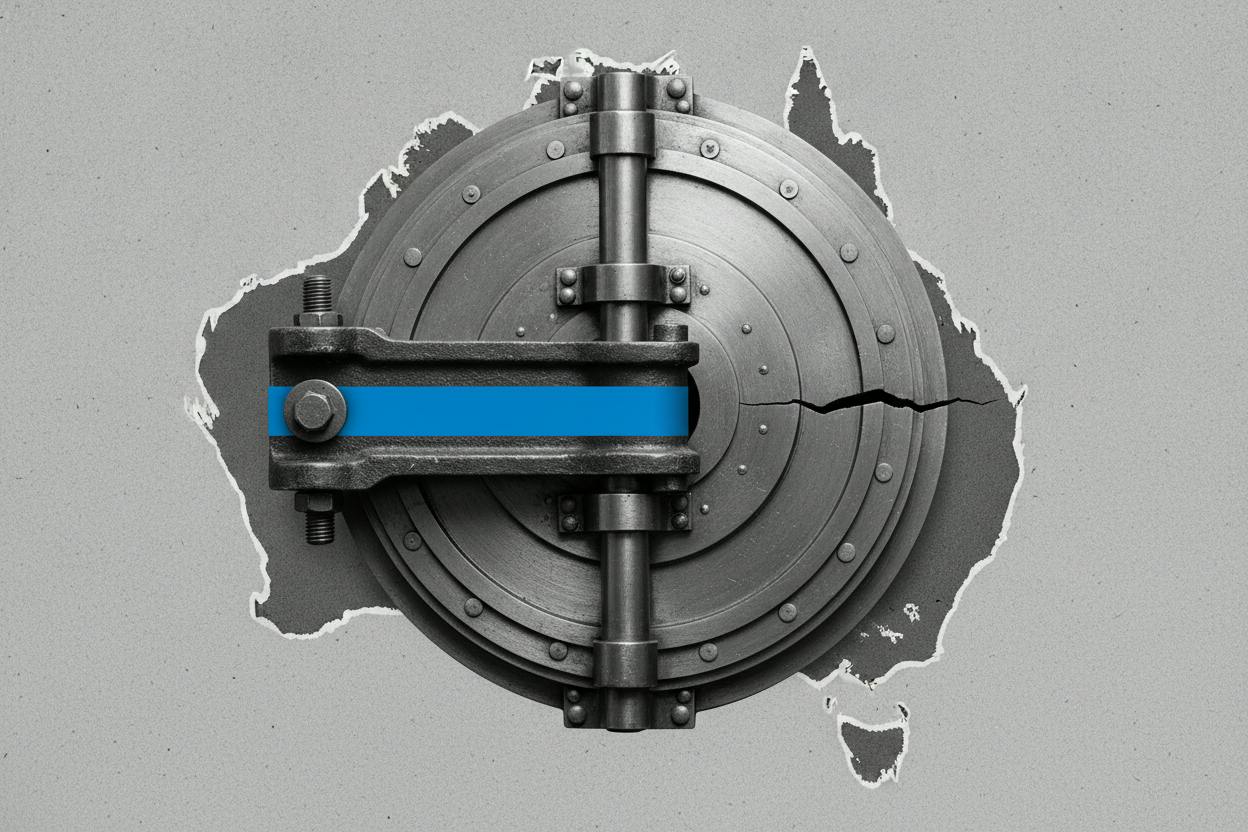
Australia's banking regulator has tightened its grip on Macquarie Group after discovering that the firm's non-bank businesses had been understating how much capital they needed to hold. The Australian Prudential Regulation Authority (APRA) said the miscalculation, which traces back to 2019, stemmed from incorrect inputs in the firm's capital calculations, leaving those units with a thinner buffer against potential losses than their risk profiles demanded.
APRA stressed that the group's overall financial stability "was not undermined at any point," but it treated the issue as a governance failure. The regulator argued that correcting the numbers after the fact does not address the underlying control weaknesses that allowed the error to persist for years.
What exactly went wrong?
Macquarie's non-bank businesses—which include its asset management, commodities trading, and other financial services arms—are required to hold a certain amount of capital as a cushion against unexpected losses. This "required capital" is calculated using a range of inputs, including risk weights and exposure measures. APRA's review found that some of those inputs were wrong, leading to an understatement of the capital needed.
While the precise nature of the error has not been fully detailed, the regulator's language points to a systemic issue in how the firm models its risks. For a company like Macquarie, which operates across a wide range of financial activities, getting these calculations right is critical—not just for regulatory compliance but for maintaining investor confidence.
Macquarie has since corrected the numbers, and APRA has imposed a A$100 million "governance overlay"—an additional capital requirement that the group must hold on top of its normal buffers. This overlay is designed to compensate for the governance weaknesses that allowed the miscalculation to go unnoticed.
The new overlay is separate from the A$500 million overlay that APRA applied to Macquarie Bank Limited in 2021, which remains in place. That earlier overlay was related to a separate set of governance concerns, and the latest action adds to the cumulative capital burden on the group.
What does this mean for Macquarie and its investors?
For investors, the immediate impact is a reduction in Macquarie's spare capital. The A$100 million overlay effectively traps more capital against the same activities, which can limit the firm's flexibility to fund growth, take on new risks in its non-bank operations, or return capital to shareholders through buybacks or dividends while the heightened supervision continues.
More broadly, the episode underscores a key lesson for investors: internal controls and model quality can have a direct, quantifiable cost. Even when a regulator says the company remained safe, a governance failure can translate into a hard capital charge that eats into returns.
APRA has also signaled that it may take further action. The regulator said it will review all non-operating holding company authorizations—the permissions that allow complex banking groups to structure themselves with a holding company above the regulated bank. This suggests that other Australian financial groups with similar structures could face additional scrutiny and potentially similar governance-related capital add-ons if weaknesses are found.
Broader implications for the banking sector
The move is part of a broader trend among regulators worldwide to focus on governance and risk culture, not just the numbers on a balance sheet. In recent years, APRA has been increasingly willing to impose capital overlays on institutions that fail to meet its standards, as seen with the 2021 action against Macquarie Bank.
For other Australian banks and financial conglomerates, the message is clear: the regulator is watching how they calculate their capital requirements and how they govern those processes. Complex structures, such as those with non-operating holding companies, are now under the microscope.
Investors in the broader banking sector should watch for any similar announcements from APRA. If the regulator finds comparable issues elsewhere, it could lead to additional capital requirements that might affect dividends or growth plans.
For now, Macquarie has acknowledged the issue and is working to comply with the regulator's demands. The A$100 million overlay is a relatively modest sum for a group of Macquarie's size, but the reputational and regulatory implications could be more significant. The market will be watching to see how APRA's review of holding company authorizations unfolds and whether any further actions follow.
In the meantime, investors should keep an eye on Macquarie's upcoming disclosures, which may provide more detail on the miscalculation and the steps the firm is taking to strengthen its governance. The episode is a reminder that in the world of finance, even the most sophisticated players can stumble on the basics—and that regulators are ready to step in when they do.