Coffee prices pushed higher on Tuesday, with arabica futures climbing 2.2% to $2.9345 per pound on ICE. The move came as traders zeroed in on how few exchange-approved beans are available for delivery right now, even as the outlook for Brazil's next crop improves.
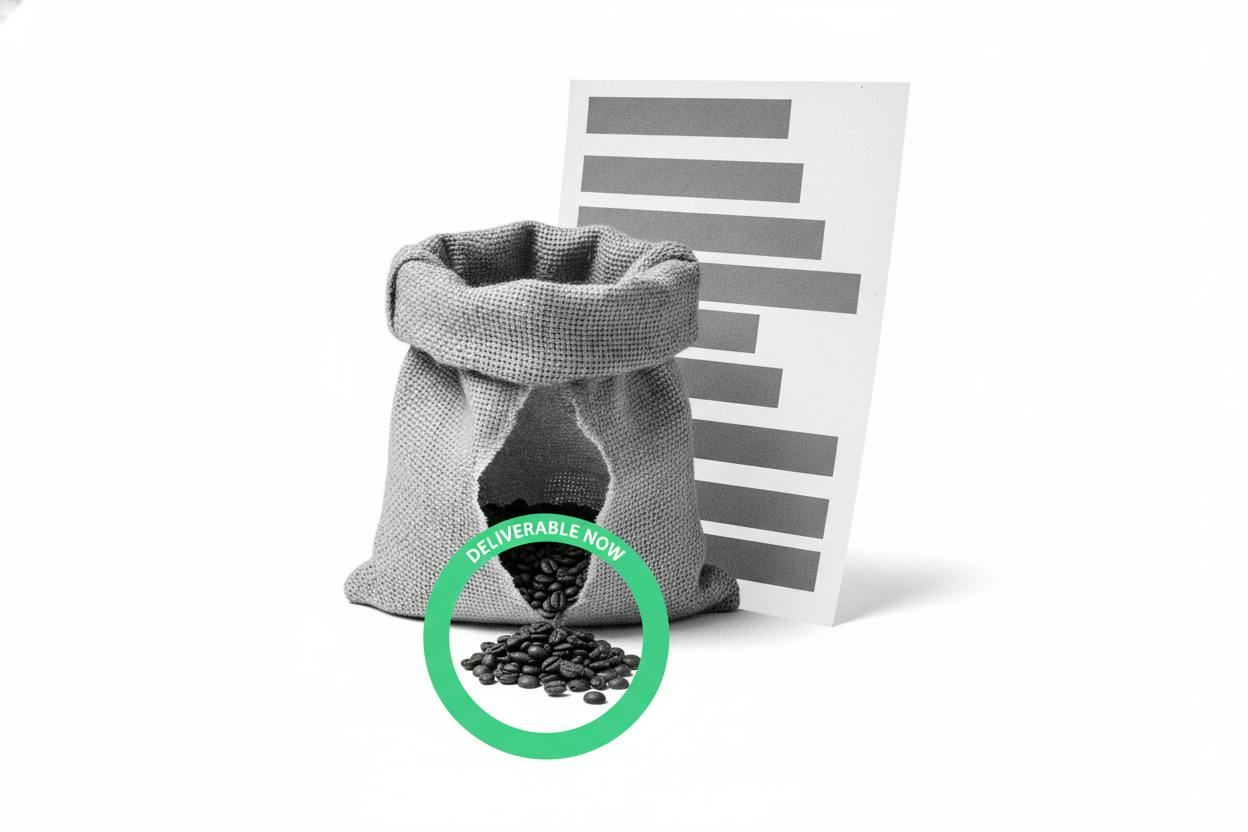
The focus is on certified stockpiles—coffee that has been inspected and stored in exchange-approved warehouses and can be delivered against futures contracts. According to Reuters, ICE-certified arabica inventories stood at 225,068 bags, still close to the 27-year lows hit in mid-September. When those stocks run thin, nearby futures can carry a scarcity premium because roasters and traders competing for prompt supply are willing to pay more to secure beans today.
Why tight supplies matter more than a better harvest
For most commodities, the market's attention tends to swing between the current physical balance and expectations for future production. In coffee, the near-term picture is unusually tight. Certified stocks have been drained over the past year as demand for high-quality arabica beans stayed strong and shipping delays and logistical bottlenecks made it harder to replenish warehouses.
Brazil, the world's largest coffee producer, has seen its crop outlook improve in recent weeks, which normally would weigh on prices. But traders are looking past next year's harvest and focusing on what can be delivered in the coming weeks. The gap between what is available now and what buyers need is what is driving the premium.
This dynamic is not new. Coffee markets have a history of sharp moves when certified inventories fall to critical levels. In past cycles, low stocks have led to volatile price swings as funds and commercial players scramble to cover positions. The current situation is reminiscent of those episodes, though the scale of the shortfall is still being assessed.
What it means for your coffee budget and investments
For everyday consumers, higher arabica futures often translate into more expensive coffee at the grocery store or café, though the pass-through can take months and is often muted by roasters' long-term contracts. If prices stay elevated, you might notice a gradual increase in the cost of your morning brew.
For investors, the coffee market offers a way to play global supply-demand dynamics, but it is not for the faint of heart. Futures are leveraged instruments, and prices can swing sharply on weather reports, currency moves, and inventory data. Exchange-traded funds and products that track coffee prices exist, but they come with their own risks, including contango and management fees.
The key thing to watch is whether certified stockpiles start to rebuild. If Brazil's improved outlook translates into actual shipments and warehouse inflows, the scarcity premium could fade quickly. Conversely, any further drawdown in stocks—or a weather scare in a major growing region—could push prices higher.
For now, the market is telling you that the immediate supply situation is more important than the promise of a better harvest down the road. That is a classic lesson in commodity investing: sometimes the market cares more about what is in the warehouse today than what might be in the field next year.
Broader market context
The coffee move comes against a backdrop of mixed commodity action. Oil prices have been volatile, with crude sliding on demand concerns and geopolitical headlines. Energy stocks have been dragged lower by the recent drop in crude, while other soft commodities like soybeans have been mixed on export news.
Investors are also keeping an eye on the broader markets as earnings season and key economic data take center stage. US stock futures have edged higher as traders weigh corporate results and inflation signals. The coffee market, though a niche, is part of the same global supply chain that is being reshaped by logistics costs, weather patterns, and currency fluctuations.
For those looking to understand the coffee market's moves, the key is to track inventory data and weather forecasts in Brazil and other producers. The current price action is a reminder that in commodities, the physical market often drives the paper market, and tightness can persist even when the long-term outlook improves.
As always, this is not a recommendation to buy or sell coffee futures or related investments. It is an explanation of what is moving the market and why it matters for your wallet and portfolio.