Saudi Aramco, the world's largest oil producer, reported a sharp jump in third-quarter profit even as attacks tied to the US-Iran conflict disrupted parts of its infrastructure. The state-owned company said net profit reached $36.25 billion, up from $26.9 billion a year earlier and above the prior quarter's $32.7 billion, according to Reuters.
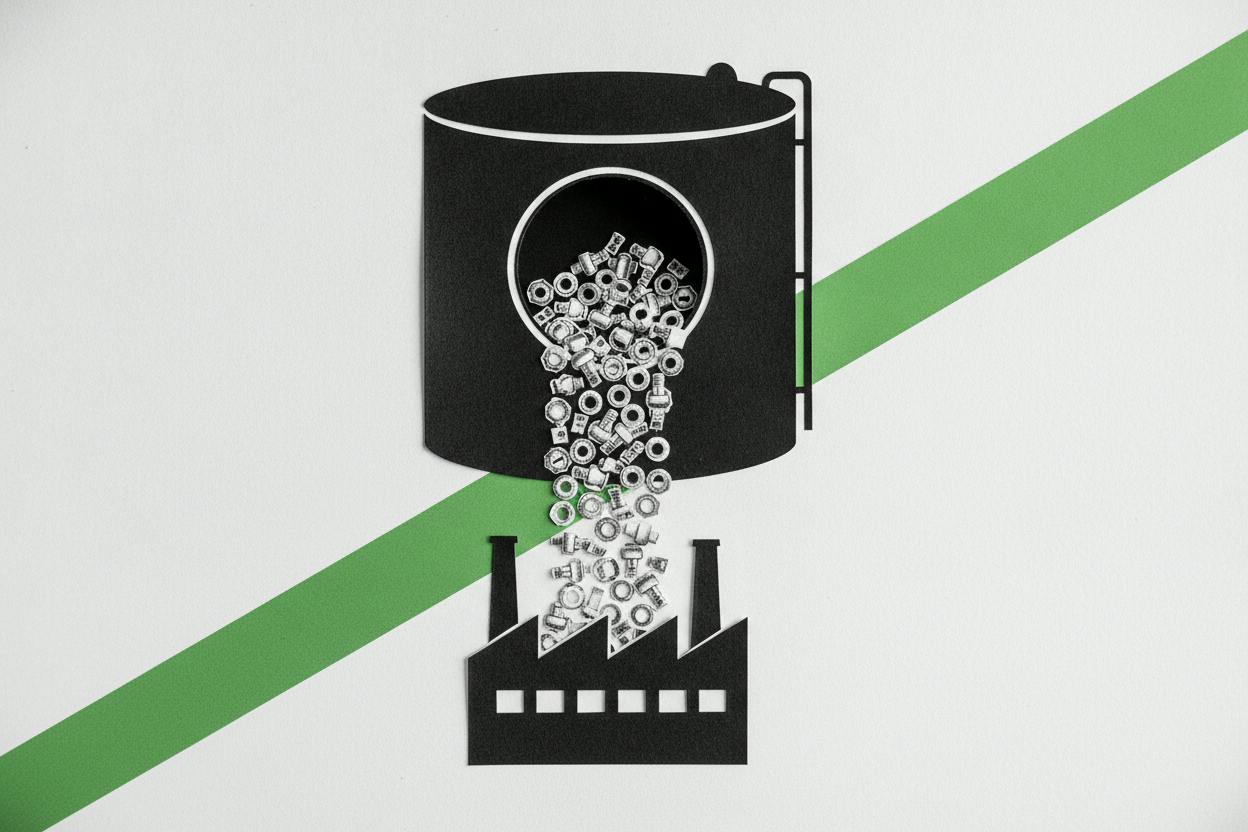
The result underscores how higher crude prices can cushion the financial blow from physical disruptions. While the conflict has reduced output, the revenue boost from elevated oil prices has so far more than made up for the lower volumes.
How Aramco kept the oil flowing
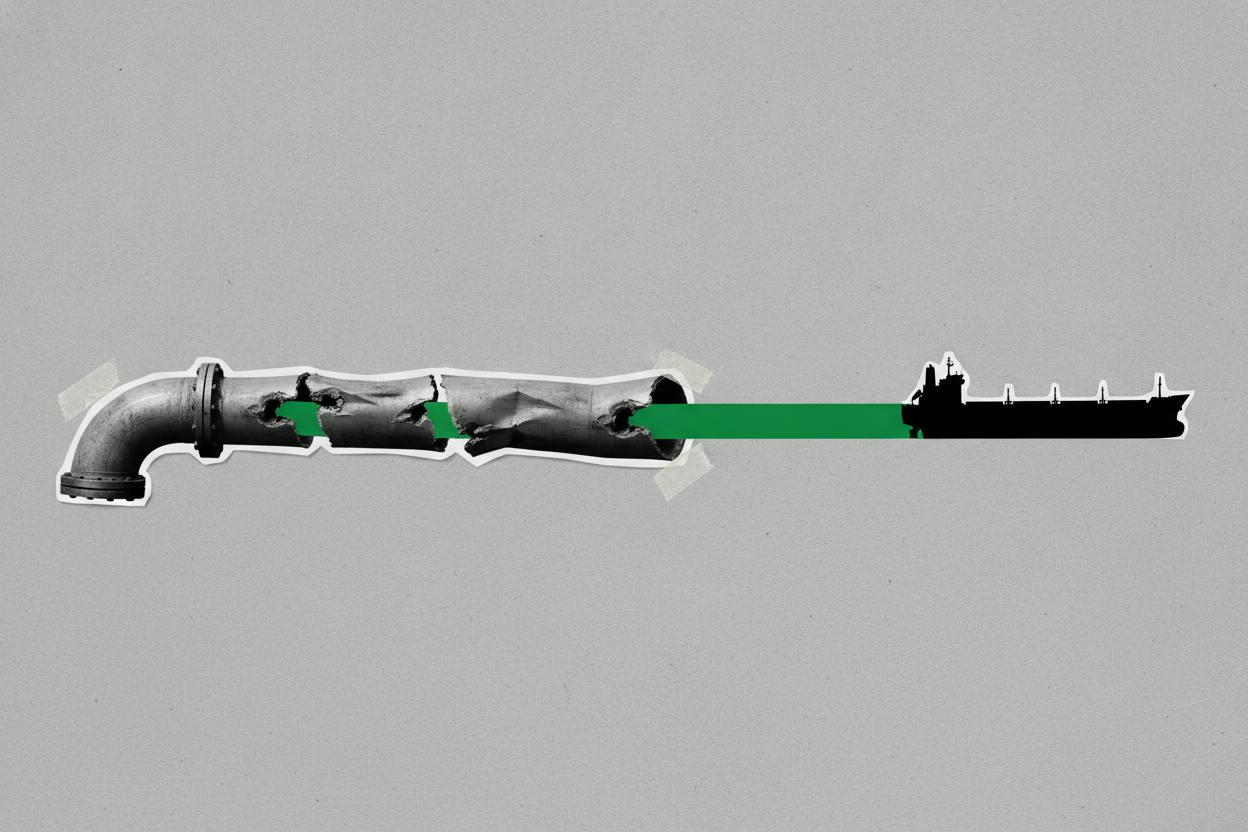
The key to Aramco's resilience was logistics. Reuters reported that the company maintained exports through both its eastern Gulf terminals and its western Red Sea terminals by routing crude through the East-West pipeline—a critical piece of infrastructure that CEO Amin Nasser has called a “critical lifeline.” That pipeline was attacked several times, yet Aramco managed to keep it operational enough to sustain shipments.
This ability to reroute is not just a technical detail; it has major implications for global oil markets. When a facility is attacked, traders typically worry about supply disruptions. But if exports continue through alternative routes, the actual loss of barrels to the market is smaller than headlines might suggest.
What it means for investors
For investors, the takeaway is that geopolitical risk in oil markets is not always as severe as it appears. The fact that Aramco could keep exporting despite attacks means that each disruption removes fewer effective barrels from global supply than it otherwise would. That doesn't erase a geopolitical risk premium in benchmark crude prices, but it can cap it. If tankers keep loading and buyers keep receiving barrels, traders often treat price spikes as temporary rather than revaluing oil higher for the long term.
This dynamic is relevant not just for oil stocks but for the broader market. Energy prices feed into inflation and consumer spending, so any sustained rise in crude could have ripple effects. However, Aramco's performance suggests that the market's ability to adapt—through pipelines, storage, and alternative shipping routes—can mitigate some of the worst-case scenarios.
For everyday investors, the lesson is to look beyond the headlines. Attacks on oil infrastructure are alarming, but the actual impact on supply and prices depends on how quickly and effectively companies can reroute. Aramco's quarter is a case study in operational resilience, and it may offer a template for how other energy firms navigate geopolitical turmoil.
As the US-Iran conflict continues, investors will be watching whether Aramco can sustain this performance. The company's ability to maintain exports through the East-West pipeline will be a key factor. If the pipeline were to be taken out of action for an extended period, the calculus could change quickly, potentially pushing oil prices higher and adding to inflationary pressures.
For now, Aramco's results are a reminder that in the energy sector, logistics and infrastructure are as important as the headlines. The company's profit jump, despite the attacks, is a testament to the value of redundancy and flexibility in critical supply chains.