Ares Management, one of the world's largest alternative-asset managers, reported stronger-than-expected fundraising in the third quarter, and analysts at RBC Capital Markets say the firm is now on pace for a record year. The inflows were led by real assets, which include infrastructure, real estate, and natural resources, as investors continue to seek assets that can provide steady returns and inflation protection.
RBC, a Canadian bank, noted that Ares' institutional fundraising pipeline remains healthy, while its wealth management channel is stabilizing. That combination is keeping new money coming in even as higher interest rates have made some investors more cautious about committing capital to private markets.
Why fundraising matters
For an alternative-asset manager like Ares, fundraising is the lifeblood of the business. The firm earns management fees based on the amount of assets it oversees, so bringing in new money is essential for growth. But the timing of when that money is actually invested matters just as much.
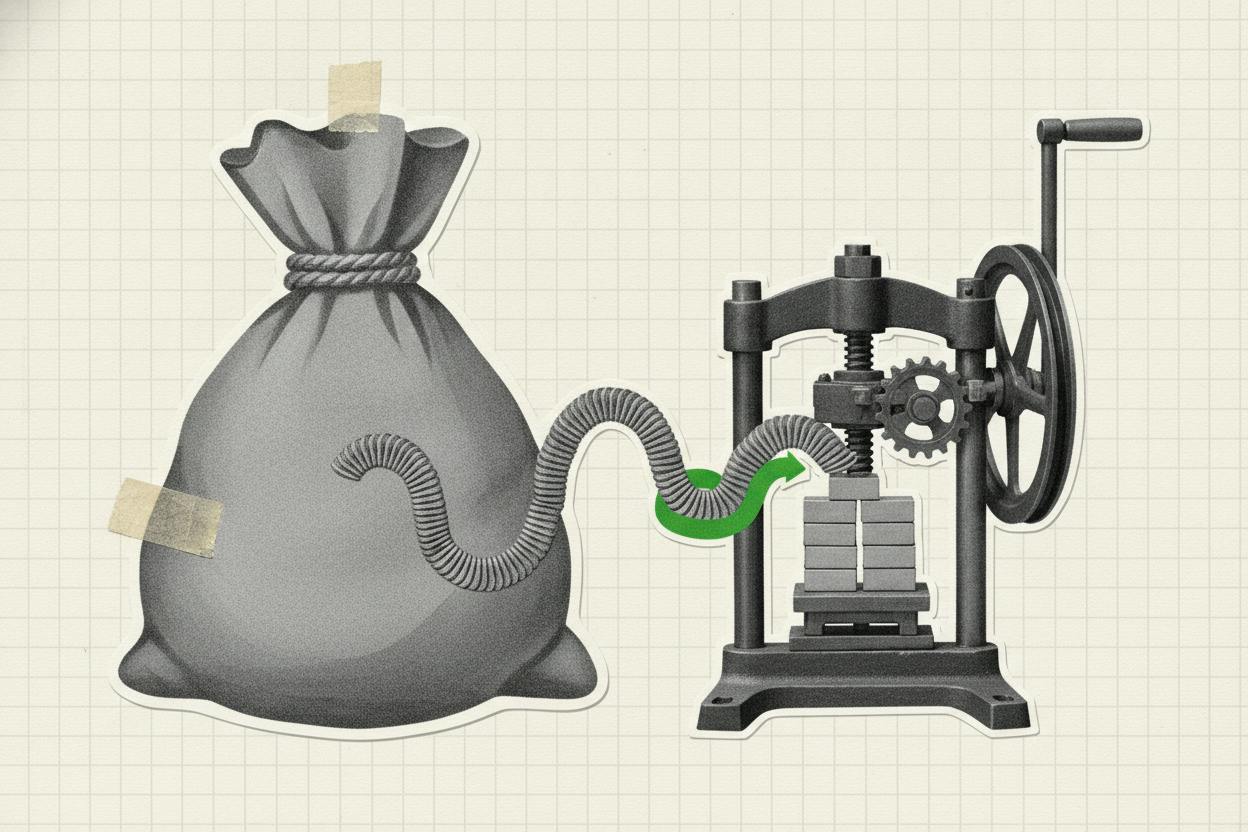
When investors commit capital to a private credit or real estate fund, the money isn't deployed all at once. It sits as "dry powder" — committed but uninvested capital — until the manager finds suitable deals. Only when that capital is invested does it start generating the recurring management fees that provide a steady, predictable revenue stream.
That's why RBC highlighted management's view that US direct lending deployment could pick up in the fourth quarter and beyond. A record deal pipeline is converting faster, and activity in "secondaries" — the market for selling existing fund stakes — could also increase. If those trends play out, Ares could turn its fundraising momentum into more durable earnings power.
The numbers behind the story
Ares also reported after-tax realized income of $1.26 per diluted share, slightly above analyst expectations. Revenue, however, fell year-on-year to $1.43 billion, a reminder that quarterly results at alternative-asset managers can swing with the timing of investment gains and other one-off items.
For everyday investors, it's worth understanding that a single quarter's revenue figure can be misleading for a firm like Ares. The more meaningful metric is often fee-earning assets under management, which reflects the base of assets generating recurring fees. That number tends to grow steadily as fundraising succeeds and capital gets deployed.
What it means for investors
For markets, the pace of Ares' fourth-quarter deployment may matter more than the $1.26-per-share earnings beat. Big fundraising numbers add dry powder, but investors tend to focus on how quickly that money turns into fee-earning assets. Faster deployment can lift fee-earning growth even if reported revenue bounces around quarter to quarter.
If direct lending deals close more quickly as higher rates push borrowers toward private credit, that can be a tailwind for Ares. And if secondaries volumes rise, the firm can recycle capital faster, smoothing the rhythm of new investments and fees. In other words, deployment updates could become the key bridge between record fundraising headlines and more repeatable earnings.
For context, the broader private credit market has been growing rapidly as banks pull back from certain lending activities and borrowers seek alternative sources of financing. Higher interest rates have made traditional bank loans more expensive, which can push more borrowers toward private lenders like Ares. That dynamic is one reason analysts are watching deployment closely.
Investors should also note that Ares operates in a competitive landscape, with other large alternative-asset managers also raising significant funds. But RBC's assessment suggests Ares is holding its own, with a healthy pipeline and a stabilizing wealth channel.
As always, past performance and current fundraising trends don't guarantee future results. But for those following the alternative-asset space, Ares' ability to convert its record fundraising into deployed capital will be a key story to watch in the coming months.