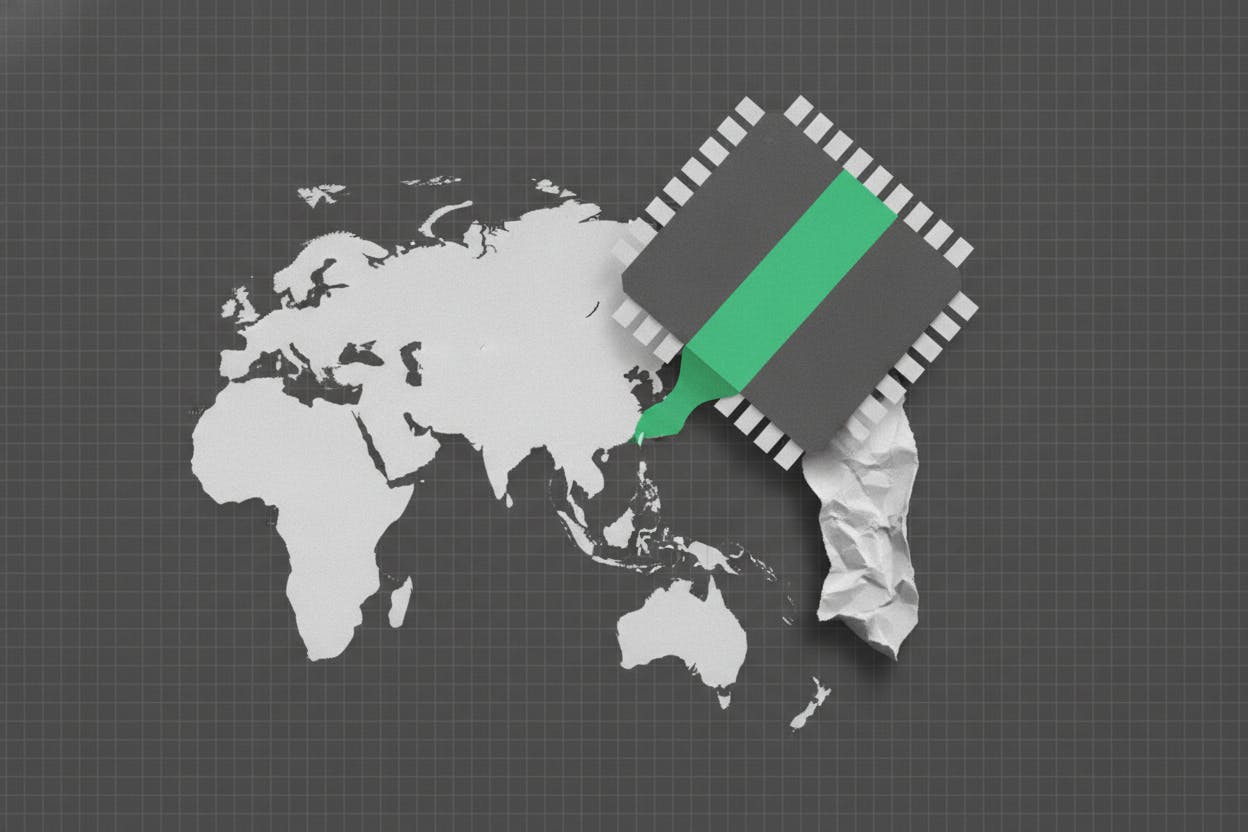
Asian stocks wobbled this week as investors grappled with rising costs in the AI supply chain, a fragile US-Iran ceasefire, and a dollar hovering near a one-year high. The pullback underscores how quickly sentiment can turn in markets that have been powered by the AI boom.
What's Driving the Sell-Off?
The recent rally in Asia has been narrow, with markets closely tied to AI hardware—like South Korea and Taiwan—doing most of the heavy lifting. South Korea's KOSPI surged 97% year-to-date before dropping 7% last week, while Taiwan's index remains up about 56%. The core worry isn't just whether AI will deliver returns; it's whether rising costs for chips, energy, and raw materials will eat into profits and get passed down the supply chain.
Kyle Rodda of capital.com pointed to Apple's recent comments as a sign that these costs could reach consumers, testing demand and making future profits harder to forecast. When input costs climb, brands often try to protect margins by raising prices or squeezing suppliers, which can cool demand and prompt analysts to trim sales and profit forecasts.
Geopolitical and Currency Headwinds
Adding to the uncertainty, the US and Iran reportedly traded strikes before agreeing to pause attacks and meet in Qatar on Tuesday, according to Reuters. This fragile ceasefire keeps oil prices supported, adding to cost pressures for companies reliant on energy. A strong dollar, near a one-year high, can tighten financial conditions for Asian companies and investors, especially when valuations already assume smooth growth.
For more on how these dynamics are playing out across the region, see our coverage of Indian stocks steady as US-Iran talks and Middle East tensions keep oil in focus and Asian stocks wobble as Iran-US ceasefire fails to calm markets.
What It Means for Investors
For everyday investors, the key takeaway is that even strong rallies can stumble when the narrative shifts from growth to margins. After a major run-up, even modest estimate cuts can hit share prices twice: expected earnings fall, and investors may pay a lower multiple for each dollar of profit. That's why AI-heavy leaders like South Korea's KOSPI and Taiwan's market can stay strong over the year, yet be unusually sensitive to any sign that costs are reaching consumers.
This volatility isn't limited to Asia. In the US, similar concerns have weighed on tech stocks, with the South Korean chip stocks slide as US AI volatility spills over. Meanwhile, some investors are rotating out of AI into other sectors, as seen in China stocks rotate: investors dump AI for healthcare and consumer staples and Nikkei steadies as investors shift from AI chip stocks to Nintendo.
Looking Ahead
Investors will be watching the US-Iran talks in Qatar closely, as any escalation could push oil prices higher and add to cost pressures. The dollar's strength will also remain a key factor, as a strong dollar can make Asian exports more expensive and tighten financial conditions. For now, the AI rally has hit a reality check, reminding investors that even the hottest trends face headwinds from costs, geopolitics, and currency moves.