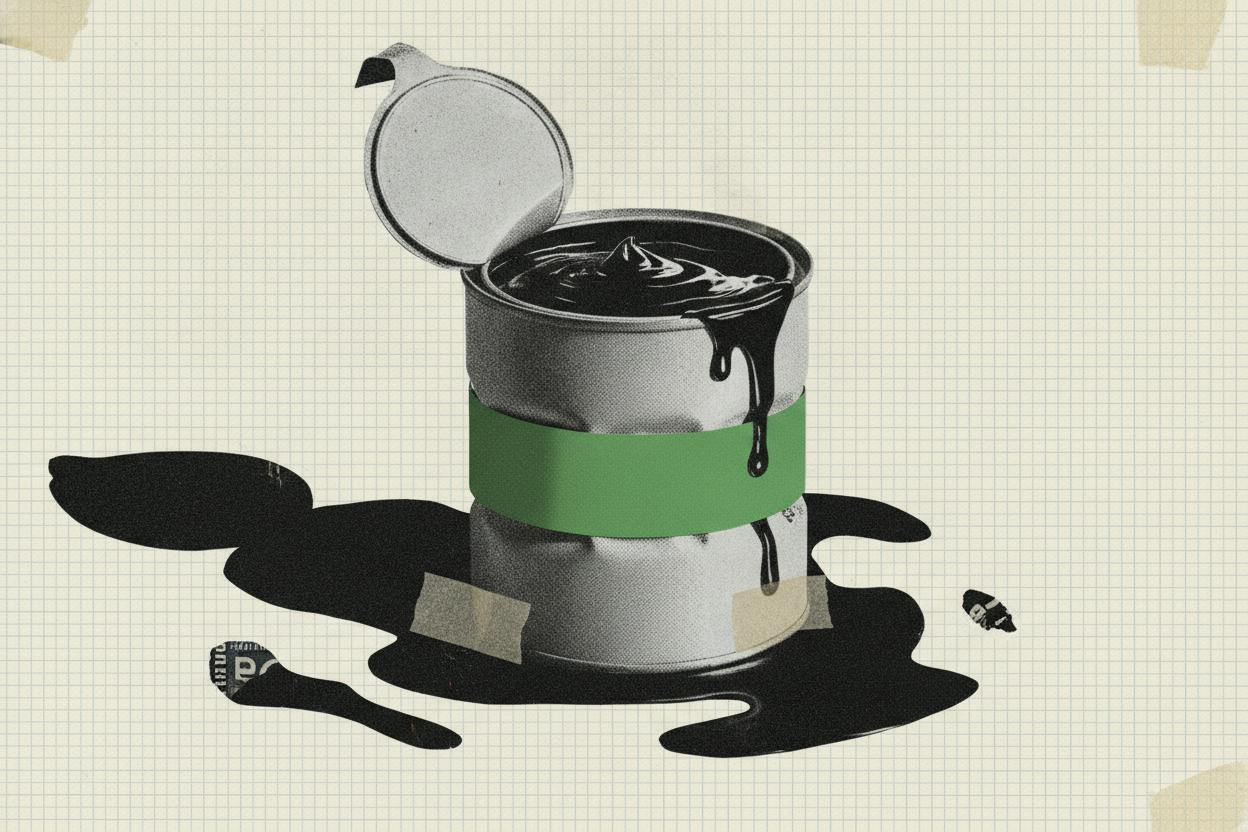
Asian Paints, India's biggest paintmaker by market value, reported a 7.5% rise in quarterly profit that still fell short of analyst expectations, as a sharp jump in raw material costs overwhelmed the benefit of price increases. The result highlights a familiar challenge for companies selling everyday household goods: when key inputs get pricier, passing the full cost onto customers is rarely straightforward.
Quarterly numbers: profit up, but not enough
For the quarter ended September 30, net profit came in at 10.68 billion rupees, up from the year-ago period but below the 11.45 billion rupee consensus estimate compiled by LSEG. The miss was driven by a 35% surge in materials consumed, which climbed to 50.84 billion rupees.
That cost pressure showed up in margins. The company's margin before depreciation, interest, tax, and other income fell 202 basis points to 15.6%. Notably, this came even after Asian Paints raised prices by roughly 12% in July, implying the company could not pass the full increase on to customers.
Why costs are rising and pricing power is limited
Two forces are making it harder for Asian Paints to protect profitability. First, many paint inputs are linked to crude-oil derivatives. When oil-related costs rise, they feed directly into the bill for resins, solvents, and other ingredients. This quarter's backdrop of sharp raw-material inflation and patchy supply meant the company felt the full impact in its second quarter.
Second, competition in decorative paints—the company's core retail category—is heating up. Aditya Birla Group's Birla Opus has entered aggressively, and JSW Group is increasing its investment in the sector. More players vying for the same customers can make shoppers more price-sensitive, limiting how far incumbents like Asian Paints can push prices without losing market share.
This is not an isolated story. Other consumer-facing companies are grappling with similar input cost pressures. For instance, AB InBev's profit rose but higher costs squeezed its margins, showing that even global giants struggle to fully offset raw material inflation.
What it means for investors
The 15.6% margin shows that a 12% price hike is not a full shield. Materials costs rose 35% while profitability still slipped. That 202-basis-point margin drop matters because overheads don't fall as quickly. A small margin squeeze can translate into a bigger hit to earnings, especially for a company with significant fixed costs.
In practice, this raises the odds that analysts revise forward profit expectations after the miss. With new rivals spending heavily in decorative paints, investors may treat each update on input costs and pricing as a catalyst for the stock, rather than assuming margins bounce back quickly.
For everyday investors, the key takeaway is about pricing power. A company that can raise prices without losing customers is better positioned to protect profits during inflationary periods. When competition intensifies, that pricing power weakens, and margins become more vulnerable.
Asian Paints' experience also underscores how global commodity prices can ripple through local markets. Crude oil movements, which are influenced by geopolitics and supply-demand dynamics, can directly affect the cost structure of paintmakers and other chemical-dependent businesses.
Investors will likely watch for signs of easing raw material costs or successful further price hikes. They may also monitor how the competitive landscape evolves, particularly whether Birla Opus and JSW Group's investments force Asian Paints to spend more on marketing or offer discounts, which could pressure margins further.
For now, the market's reaction to this earnings miss will be telling. If the stock drops sharply, it suggests investors are worried about sustained margin pressure. If it holds up, they may see the quarter as a temporary blip. Either way, the focus will remain on input costs and competitive dynamics in the quarters ahead.