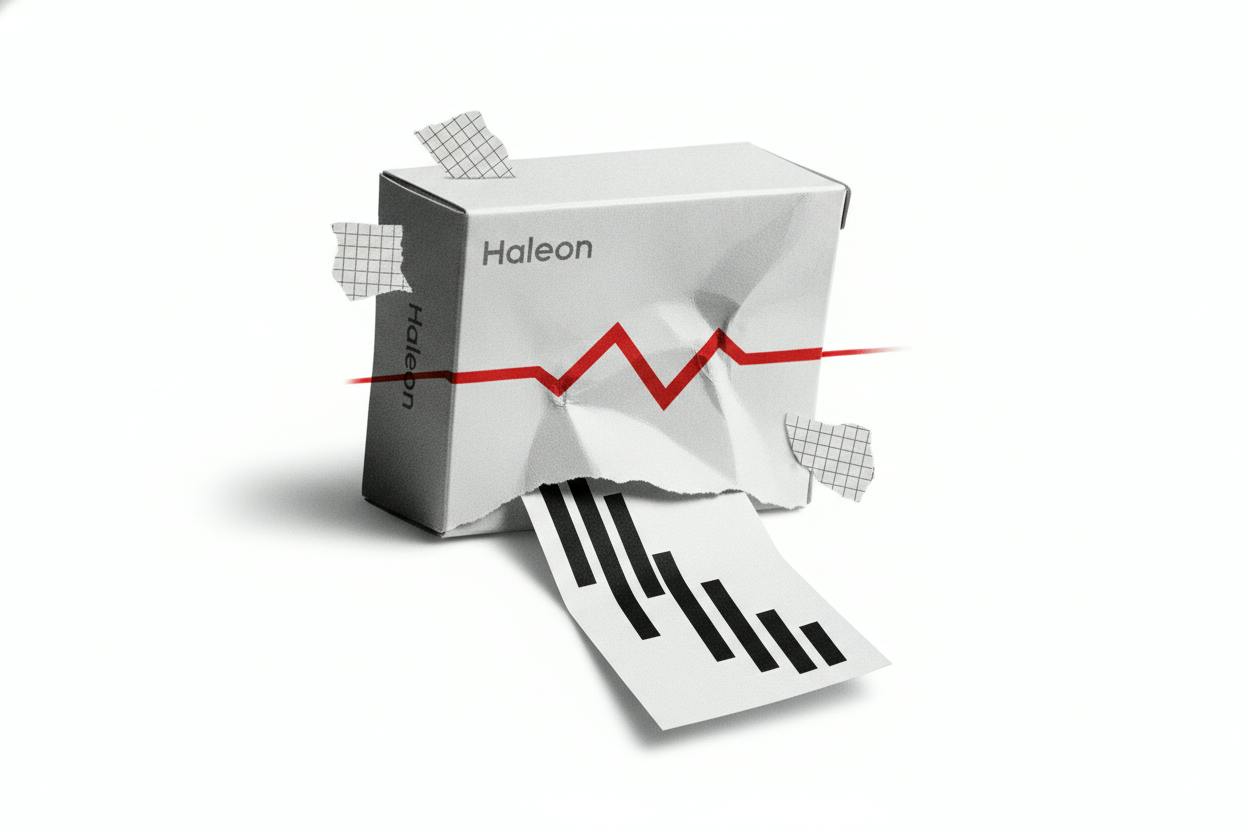
Haleon, the consumer-health giant behind household names like Advil and Sensodyne, has caught a cold of its own. The company cut its full-year sales growth forecast on Thursday, blaming weaker demand for cold and flu remedies in North America and an import-related snag in China. Investors reacted sharply, sending shares down nearly 14%.
The company now expects organic revenue growth of about 2.5% for the year, down from its previous guidance of 3% to 5%. That also falls short of the 3.2% growth that analysts had penciled in, according to a company-compiled poll. Organic growth strips out the effects of currency swings and acquisitions, giving a clearer picture of underlying demand.
Why the slowdown?
The weakness is already visible in the numbers. In the three months ended September 30, Haleon's organic revenue rose just 2.6%, missing forecasts. The culprit: a cooling in demand for cough, cold, and flu products, which had been a bright spot during the pandemic and its aftermath. Retailers in North America, Haleon's biggest market, have also been ordering less, likely as they work through inventories built up during earlier waves of illness.
In China, the company faced an import-related setback, though the brief doesn't specify the exact nature. Such issues can range from regulatory delays to logistical disruptions, and they add another layer of uncertainty for a company that had been counting on international growth.
Haleon's portfolio includes not just cold remedies but also oral care (Sensodyne), pain relief (Advil), and digestive health. While cold and flu products are a key driver, the company's broader health-and-wellness positioning was supposed to provide resilience. This quarter, that resilience was tested.
What this means for investors
For everyday investors, this is a reminder that even companies with strong brands can stumble when consumer behavior shifts. Cold and flu season is notoriously unpredictable, and a mild season can hit sales hard. Haleon's guidance cut suggests the company expects the softness to persist through the rest of the year.
The nearly 14% drop in the share price shows how sensitive the market is to growth disappointments, especially for a company that was spun off from GSK in 2022 to focus on consumer health. Investors had been hoping for steady, reliable growth from a portfolio of trusted brands. Now they're recalibrating.
It's also worth noting that Haleon isn't alone in facing these headwinds. Other consumer-health companies have pointed to similar trends, as post-pandemic demand for over-the-counter remedies normalizes. The broader lesson: don't assume that a strong brand name guarantees smooth sailing.
What to watch next
Investors will be watching a few key things in the coming months. First, how quickly cold and flu season picks up in the Northern Hemisphere—a strong season could help Haleon recover some lost ground. Second, any updates on the China import issue, which could either resolve or worsen. Third, whether the company's cost-cutting efforts can offset the revenue shortfall and protect profit margins.
Haleon's management will also face questions about whether the 2.5% target is conservative enough. Some companies use guidance cuts as a chance to reset expectations low, then beat them later. Others are simply being realistic. Only time will tell which camp Haleon falls into.
For now, the message to investors is clear: even a portfolio of everyday essentials isn't immune to the sniffles. As the company works through this rough patch, it's a good reminder to look beyond the brand names and consider the underlying demand drivers—and the risks—when evaluating any stock.
If you're watching the broader consumer-health sector, you might also want to keep an eye on how other companies are navigating similar pressures. Some have managed to raise their outlooks, like Repsol lifting its buybacks on strong refining margins, but those are in different industries. In consumer health, the focus remains on seasonal demand and supply-chain reliability.
Haleon's next earnings report will be a key test. If the company can show that the cold-medicine weakness is temporary and that its other categories are holding up, investors may regain some confidence. Until then, the stock is likely to trade with a cold—and a cautious outlook.