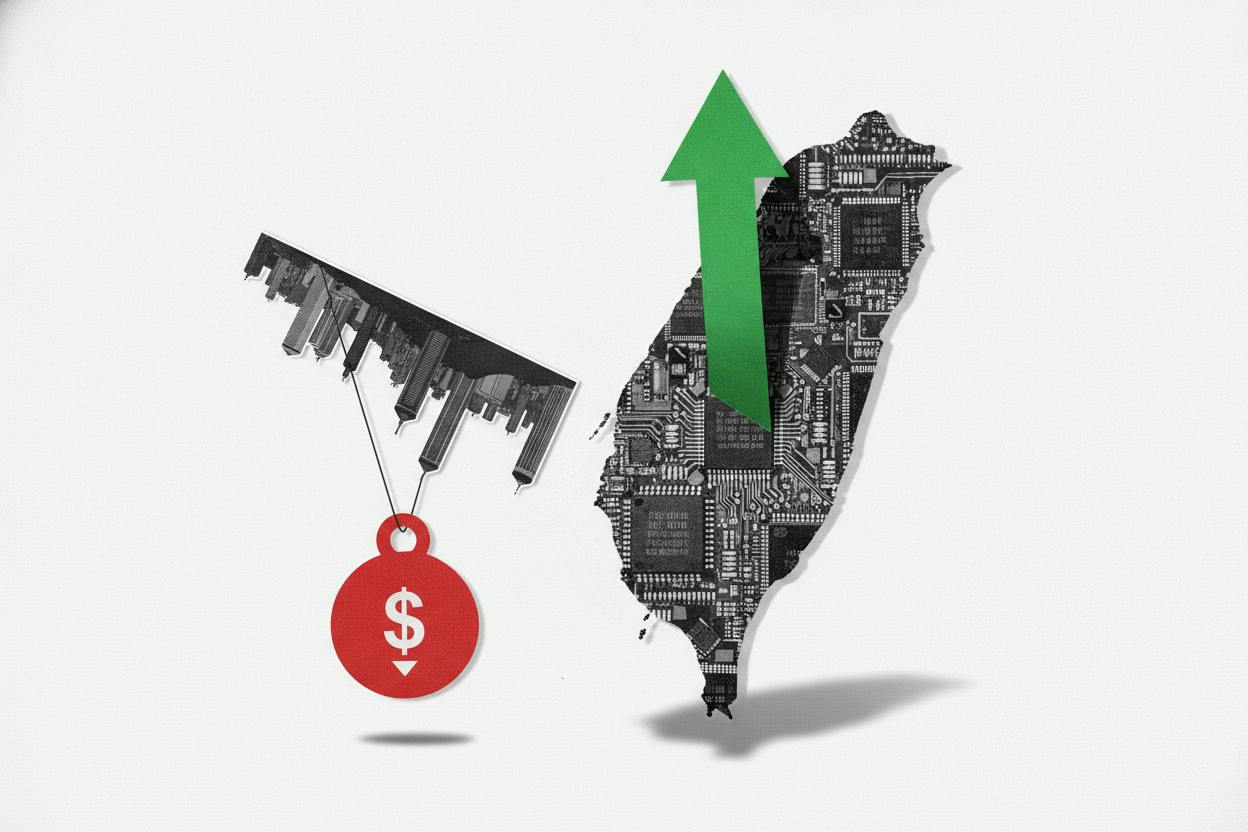
Asian markets were mostly higher on Wednesday, with chip-heavy indices leading the charge after data-center operator CoreWeave reported strong third-quarter revenue, keeping the artificial intelligence trade alive. Taiwan's TWSE Index jumped 3.6%, while South Korea's KOSPI rose 2.6%, and the MSCI All Country Asia Pacific Index gained 1.5%. But Hong Kong missed the rally, with the Hang Seng Index falling 1% and its tech index dropping 1.4% as fresh worries about US interest rates weighed on local property and rate-sensitive shares.
AI demand keeps chip stocks humming
CoreWeave's earnings update fed directly into Asia's biggest market theme: AI spending needs more servers, which means more high-end chips and the equipment that makes them. This is why markets with heavy semiconductor exposure, like Taiwan and South Korea, saw strong gains. The AI profit outlook helped offset concerns about inflation, at least in those markets.
Investors are betting that the relentless build-out of AI infrastructure will continue to drive demand for advanced chips, even as the broader economy faces headwinds. This optimism has been a key pillar of the recent global tech rally, and CoreWeave's numbers provided fresh confirmation that the spending spree is still on track.
Hong Kong's rate headache
Hong Kong's underperformance is a reminder that not all Asian markets are created equal. The trigger was a hotter-than-expected US consumer price index report, which pushed investors to rethink how long US interest rates might stay elevated. That matters locally because the Hong Kong dollar is pegged to the US dollar, so Hong Kong's rates typically drift in the same direction over time—which is bad news for rate-sensitive property shares.
When US inflation comes in hot, markets often price in a more cautious Federal Reserve, which tends to keep US bond yields higher. Because Hong Kong maintains a currency peg to the US dollar, local borrowing costs usually have to track that pull through arbitrage: if Hong Kong rates were materially lower, money would flow out until the gap closed. Higher rates then hit property developers from two sides: their interest bills rise, and investors apply a higher “discount rate” when valuing future rent and cash flows, which can pull down today’s property valuations.
That’s why Hong Kong property shares can lag the region even on an AI-led up day, while markets with bigger chip exposure, like Taiwan, can still rally. The hot US inflation also lifted the dollar, adding further pressure on Asian currencies and complicating the outlook for the region.
What it means for investors
For investors, the divergence highlights the importance of understanding what drives each market. AI-related plays remain a powerful force, but they are not immune to macro shocks. The CoreWeave earnings calmed some AI fears, but the inflation report put the Fed back in the spotlight, and that has ripple effects across Asia.
Hong Kong's Hang Seng fell to 24,315.92, a level that reflects the renewed rate worries. Investors in the city's property sector should brace for continued volatility if US inflation stays sticky. Meanwhile, those with exposure to chip stocks may find tailwinds from AI spending, but they should also watch for any signs that the Fed's next moves could tighten financial conditions globally.
As always, diversification and a clear view of your own risk tolerance are key. The AI trade is not a one-way bet, and rate-sensitive markets like Hong Kong can turn on a dime when inflation data surprises. Keep an eye on upcoming US economic releases and Fed commentary for clues on the next leg of the market.