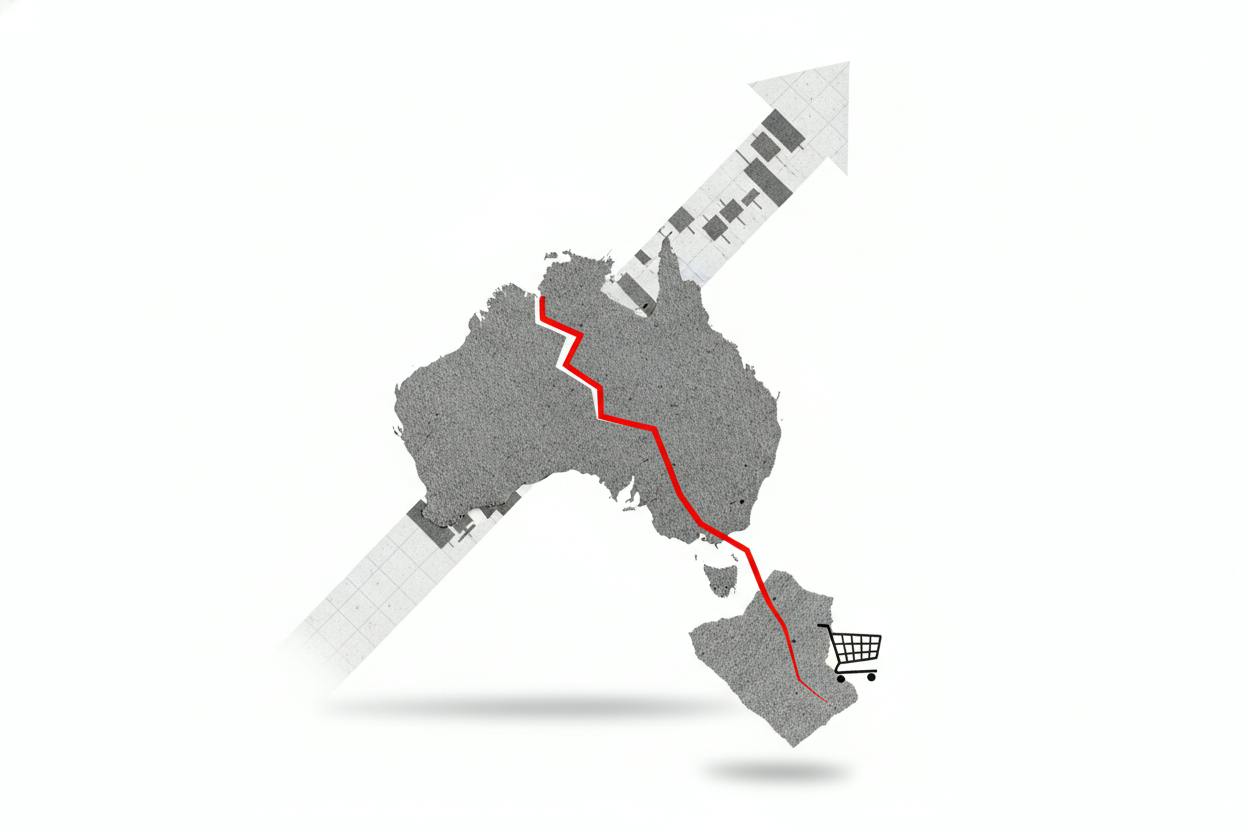
Australia's benchmark S&P/ASX 200 index rose 1.1% on Friday to close at a seven-week high, powered by gains in banks and energy companies. But the headline number masked a sharp sell-off in one of the country's best-known retailers: supermarket giant Coles plunged more than 10% after reporting quarterly revenue that fell slightly short of analyst expectations.
The split performance is a useful reminder for investors that a rising index does not mean every stock is participating. Broad market gauges are weighted averages, so a handful of large sectors can lift the whole market even as individual companies suffer steep losses.
Banks and energy do the heavy lifting
Financial stocks rose 1.3% ahead of results from Australia's "Big Four" lenders next week. The major banks — Commonwealth Bank, Westpac, ANZ and National Australia Bank — are among the largest companies on the ASX by market value, so their movements carry outsized influence on the index. Investors often position themselves ahead of earnings season, and this week's buying suggests expectations are reasonably constructive.
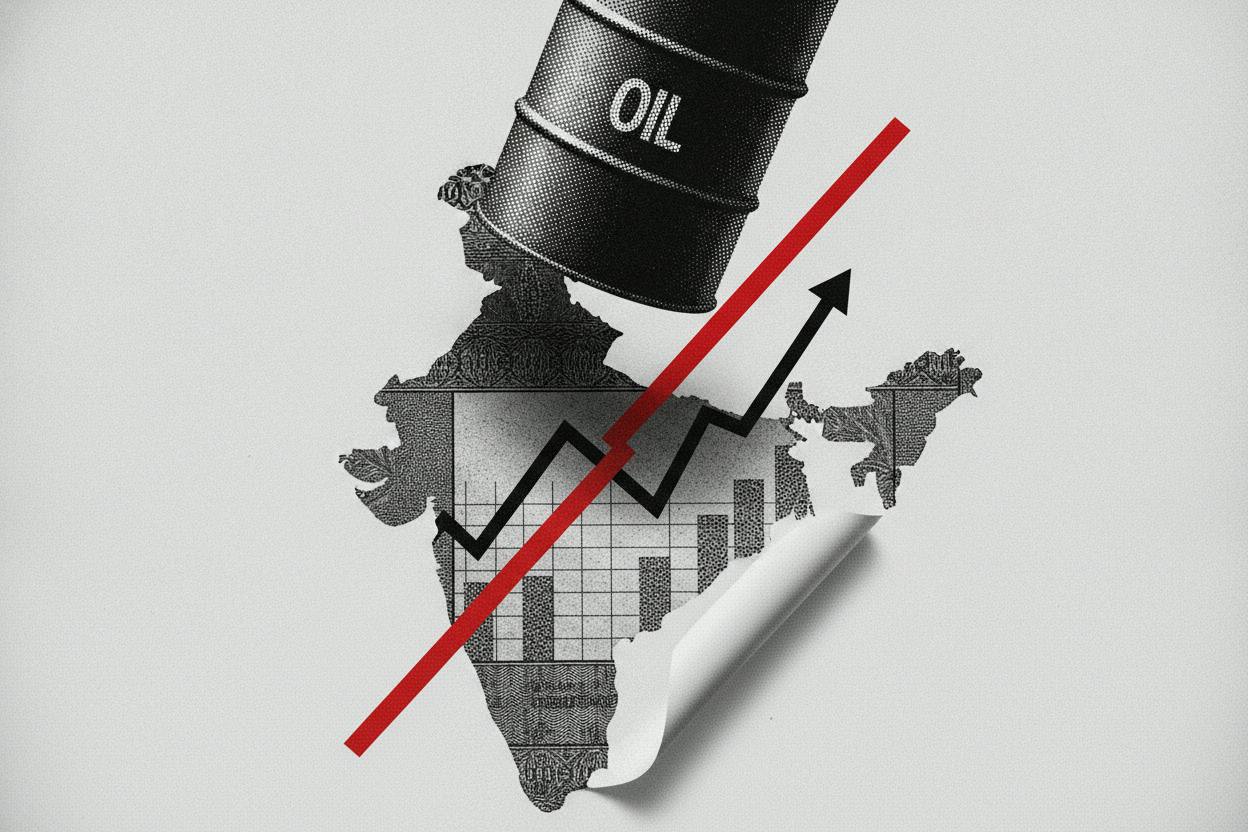
Energy names also gained as oil held above $100 a barrel. Higher crude prices tend to boost the profits of oil and gas producers, since they sell their output at higher prices while many production costs remain relatively fixed. That dynamic has supported the energy sector globally, even as oil prices have shown some volatility in recent sessions.
The broader backdrop includes ongoing questions about interest rates and inflation. Central banks in Australia and overseas have been navigating the tricky path of trying to cool price pressures without tipping their economies into recession. For banks, higher interest rates can widen lending margins, which is one reason the sector has been a market leader. But rates that stay too high for too long can also lead to loan defaults and slower credit growth, so the upcoming earnings reports will be closely watched for signs of stress.
Coles cracks on a small miss
Coles' more than 10% decline came after the company reported revenue that was marginally below what analysts had forecast. The word "slight" matters here: the miss was not dramatic in absolute terms, but in a market where expectations are already baked into the share price, even a small shortfall can trigger a violent reaction. This is especially true for consumer staples companies, which are often valued for their predictability. When that predictability wobbles, investors can be quick to reassess.
The result also dragged the consumer staples sector sharply lower, making it the worst-performing part of the market on the day. Coles and its main rival Woolworths dominate Australian grocery retail, and their performance is often seen as a barometer of consumer health. A revenue miss can signal that shoppers are changing their habits — perhaps trading down to cheaper products or cutting back on discretionary items — which has implications for the wider economy.
Competition in the grocery aisle has been intensifying, with discount chains and online players putting pressure on the traditional supermarkets. That backdrop makes it harder for incumbents to grow revenue at the pace investors have come to expect. For more on this trend, see our coverage of how discount wars are reshaping Australian grocery spending.
What it means for investors
For everyday investors, this session offers two clear lessons. First, diversification matters. If your portfolio is heavily concentrated in one stock or sector, you are exposed to exactly this kind of company-specific shock. An index fund or a spread of holdings across sectors can smooth out the ride.
Second, earnings season is a period of heightened risk and opportunity. Companies that beat expectations can see their shares jump, while those that miss — even narrowly — can fall sharply. The Big Four banks' results next week will be a key test for the market's recent rally. If the banks deliver solid numbers and optimistic outlooks, the index could build on its seven-week high. If they disappoint, the rally may stall.
Investors will also be watching the oil price, given its influence on the energy sector, and any fresh signals on interest rates from the Reserve Bank of Australia. Inflation data and central bank commentary remain the dominant themes for markets globally, and Australia is no exception. For a sense of how these forces are playing out elsewhere, our report on hot PCE inflation failing to dent financial stocks shows how resilient bank shares have been in the face of stubborn price pressures.
In short, the ASX 200's seven-week high is a positive headline, but it hides a stark divide. Banks and energy are thriving; parts of consumer retail are struggling. Understanding that split — and what it says about the economy — is more valuable than the index level alone.