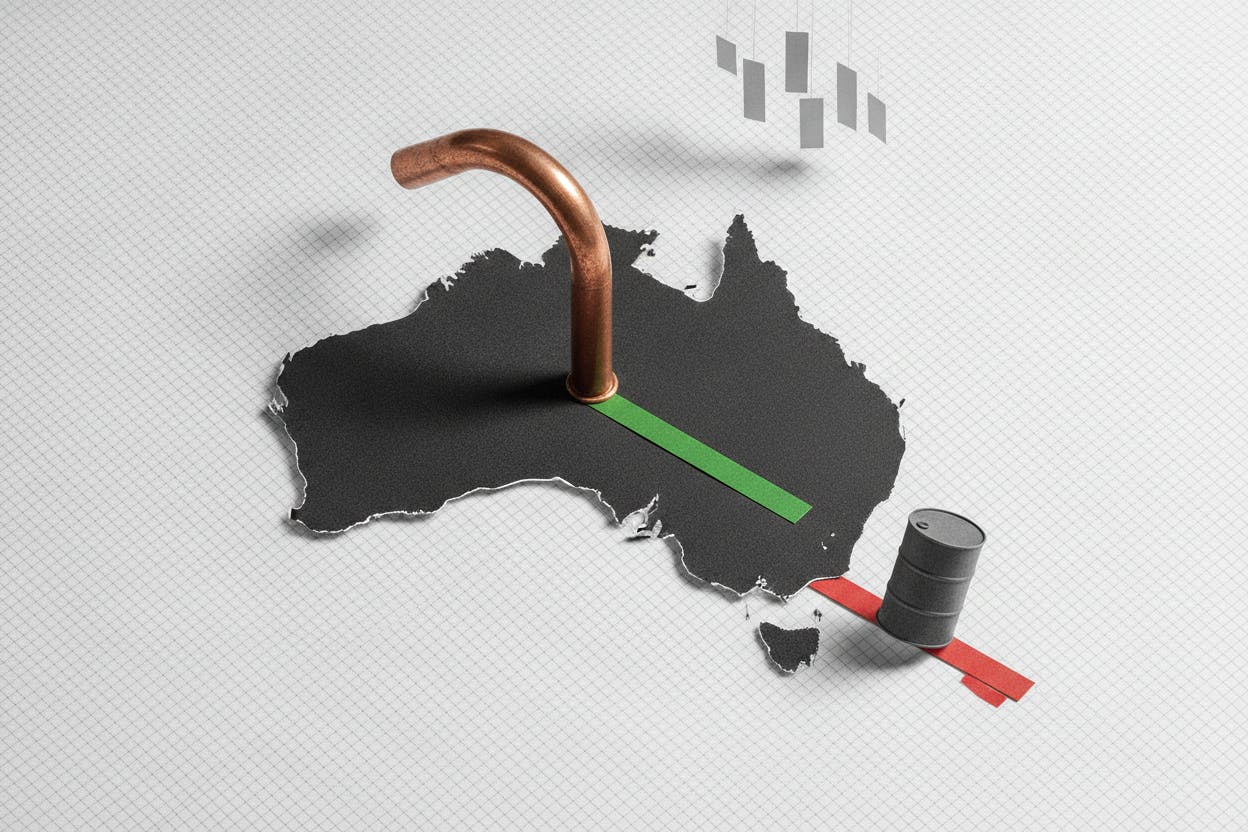
Australian shares kicked off the week on a positive note, with the benchmark ASX 200 index climbing 0.9% on Monday. The gains were led by mining and banking stocks, as a retreat in oil prices and easing geopolitical tensions in the Middle East boosted investor sentiment.
What drove the market higher?
The rally was broad-based, but two sectors stood out. Mining stocks rose as copper prices firmed, reflecting optimism about global demand. Banks also gained, supported by a more stable interest rate outlook and a general risk-on mood.
The key catalyst was a drop in oil prices, which fell on signs that tensions in the Middle East were cooling. Lower energy costs are generally seen as positive for the broader economy, as they reduce input costs for businesses and leave consumers with more money to spend. This helped lift sentiment across the market.
For context, oil prices had spiked in recent weeks on fears of supply disruptions from the Middle East. The easing of those concerns provided a tailwind for stocks, particularly for sectors that are sensitive to fuel costs, such as airlines and transport. However, the main beneficiaries on Monday were miners and banks.
Inflation data in focus
Investors are now turning their attention to Wednesday's release of Australian inflation data. The consumer price index (CPI) is a key measure of price pressures in the economy and will be closely watched by the Reserve Bank of Australia (RBA) when it sets interest rates.
If inflation comes in higher than expected, it could raise the risk of further interest rate hikes, which would be a headwind for stocks. Conversely, a softer reading could fuel hopes that the RBA is done tightening, which would likely support further gains in equities.
The market is currently pricing in a roughly even chance of a rate cut by the end of the year, but that could change rapidly depending on the inflation data. Investors should be prepared for some volatility around the release.
What it means for everyday investors
For ordinary investors, the message is mixed. The rally on Monday is a reminder that markets can rebound quickly when fears recede. But the focus on inflation data underscores how sensitive stocks remain to interest rate expectations.
If you hold a diversified portfolio, the gains in miners and banks are a good example of why it pays to own a mix of sectors. When one part of the market struggles, another often steps up. The key is to stay invested and not try to time the market based on short-term news.
It's also worth noting that oil prices can be volatile, and geopolitical tensions can flare up again quickly. Investors who are heavily exposed to energy stocks should be aware of that risk. For most people, a balanced approach is best.
Broader market context
The ASX 200's move on Monday was in line with a broader positive tone in global markets. US stocks also rose on Friday, as investors shrugged off some of the recent concerns about trade tensions and corporate earnings.
However, the Australian market has its own unique drivers, particularly its heavy weighting in mining and banking stocks. That means it can sometimes diverge from global trends, especially when commodity prices or domestic economic data are in focus.
Looking ahead, the inflation print on Wednesday will be the main event for Australian investors. Beyond that, the focus will shift to corporate earnings season, which kicks off in earnest next month. Investors will be watching to see how companies are coping with higher interest rates and cost pressures.
For now, the market is taking a cautious but optimistic view. The rally on Monday suggests that investors are willing to look past near-term uncertainties and focus on the longer-term outlook. But as always, the data will ultimately determine the direction.