South Africa's currency, the rand, remained stable on Tuesday as investors braced for a busy day of domestic economic data. The releases include July mining output, July manufacturing production, and the country's second-quarter current account balance. At the same time, global markets are keeping a close eye on upcoming US inflation figures, which could influence the Federal Reserve's next policy moves.
What's on the data calendar?
The three key releases are closely watched by economists and traders. Mining output and manufacturing production are important indicators of the health of South Africa's industrial sector, which is a major driver of economic growth and employment. The current account, meanwhile, measures the difference between what the country earns from exports and investment inflows and what it spends on imports and payments abroad. A deficit means South Africa is spending more on foreign goods and services than it earns, which can put pressure on the rand.
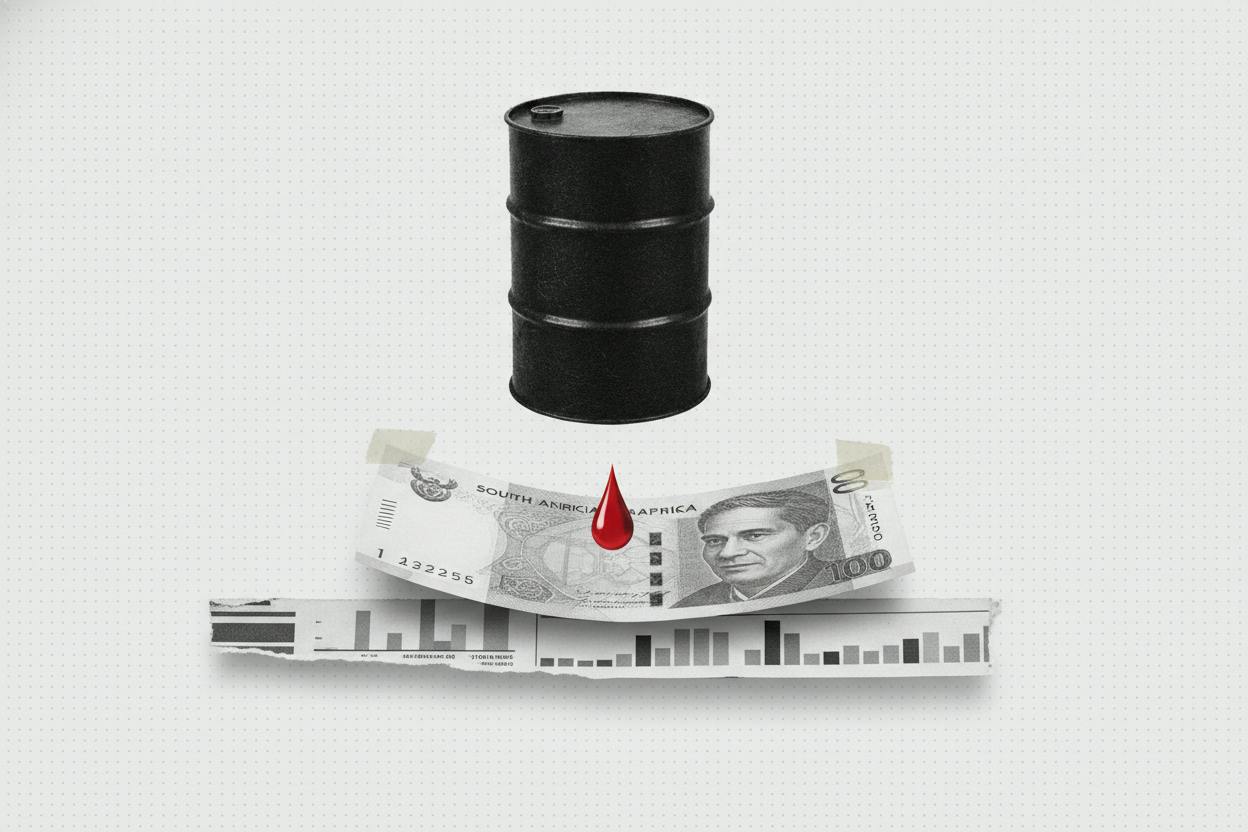
These numbers come at a time when the global economy is facing headwinds from high energy prices and uncertainty about interest rates. Oil prices have remained above $100 a barrel, a level that tends to raise costs for businesses and consumers worldwide. For South Africa, a net importer of oil, higher crude prices can widen the trade deficit and add to inflationary pressures.
Global backdrop: US inflation and oil
Investors are also focused on the latest US inflation report, which is due later this week. The data will give clues about whether the Federal Reserve will continue raising interest rates or pause. Higher US rates tend to strengthen the dollar, which can weigh on emerging market currencies like the rand. However, the dollar has been softer recently, giving the rand some breathing room.
Oil's persistence above $100, driven by geopolitical tensions and supply concerns, has added to market jitters. Rising energy costs can feed into inflation, making central banks more likely to keep monetary policy tight. This has been a theme across global markets, with European stocks slipping as Brent crude returns to $100 ahead of key central bank decisions. Similarly, sterling held near a two-week high as oil topped $100 and the Bank of England weighed further rate hikes.
In Asia, China and Hong Kong stocks slid as oil held above $100 on Mideast tensions, reflecting the broad risk-off mood. Meanwhile, gold held near $4,396 as traders awaited US inflation data, showing that investors are seeking safe havens amid uncertainty.
What it means for investors
For everyday investors, the data releases are more than just numbers on a screen. They provide clues about the direction of the South African economy and the rand's value. A stronger-than-expected mining or manufacturing report could boost confidence in the economy and support the rand. Conversely, weak figures could raise concerns about growth and potentially lead to a weaker currency.
The current account data is particularly important because it reflects the country's external position. A wider deficit could make South Africa more vulnerable to capital outflows, which would put downward pressure on the rand. On the other hand, a narrower deficit or a surplus would be a positive sign.
For those with exposure to South African assets, such as local stocks or bonds, the rand's performance matters. A weaker rand can erode returns for foreign investors and increase the cost of imports, feeding into inflation. For domestic consumers, a weaker rand can make imported goods more expensive, affecting household budgets.
It's also worth noting that the global environment remains fragile. High oil prices and the prospect of further US rate hikes could keep emerging market currencies under pressure. However, the rand has shown resilience in recent sessions, helped by a softer dollar and relatively stable commodity prices.
As always, it's important to remember that markets can be unpredictable. The data releases will provide a snapshot of the economy, but they are just one piece of the puzzle. Investors should focus on long-term trends rather than short-term fluctuations.
In the coming days, all eyes will be on the US inflation report and any signals from the Federal Reserve. These will likely set the tone for global markets, including South Africa. For now, the rand's steadiness suggests that traders are cautiously optimistic, but the situation could change quickly.