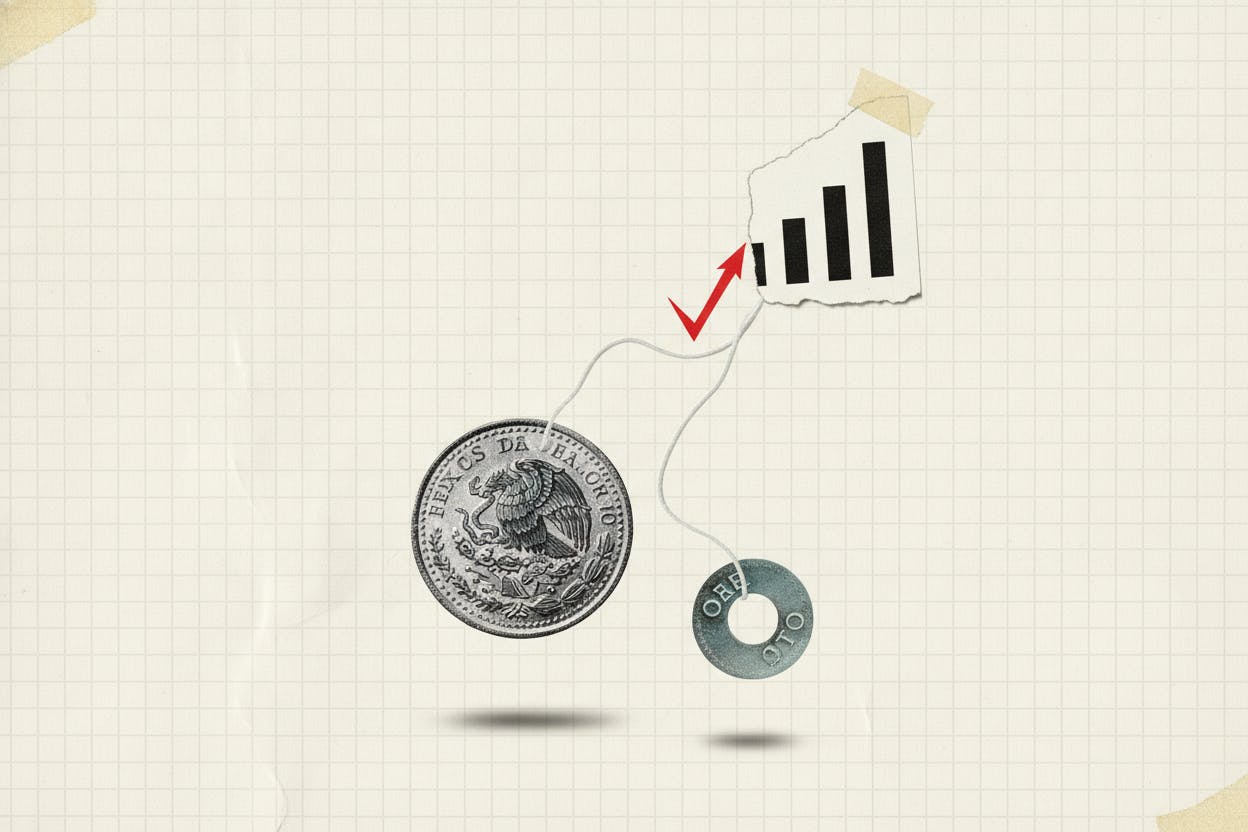
Mexico's inflation rate edged higher in August for the first time in five months, a small but notable shift that is reinforcing the central bank's cautious approach to further interest rate cuts.
New data showed consumer prices rose 3.26% over the year through August, up from 3.12% in July. While the monthly reading came in softer than many analysts had expected, the annual figure still moved in the wrong direction for policymakers at the Bank of Mexico, commonly known as Banxico.
The more encouraging news was underneath the headline. Core inflation, which strips out volatile food and energy prices, cooled to 3.88% from 3.95% in July. That measure is closely watched by central banks because it gives a clearer picture of underlying price pressures in the economy.
Why the uptick matters
For everyday investors, the distinction between headline and core inflation matters. Headline inflation is what you see at the checkout counter, but it can swing sharply with global commodity prices. Core inflation is a steadier signal of how much domestic demand is pushing prices up.
The fact that core inflation is still falling suggests that the recent rise in the overall rate may be temporary, driven by factors like energy costs or seasonal food prices. That gives Banxico some comfort that price pressures are not becoming entrenched.
Still, the uptick in the annual rate is a reminder that the path back to the central bank's 3% target is not a straight line. Banxico has been cutting its benchmark interest rate gradually this year, and this data supports keeping that slow and steady pace rather than accelerating.
What it means for investors
For investors in Mexican assets, the inflation picture is a key driver of what the central bank does next. Lower interest rates tend to be positive for stocks and bonds, as they reduce borrowing costs and make fixed-income investments less attractive relative to riskier assets. But if inflation proves sticky, Banxico may hold rates higher for longer, which could weigh on economic growth and corporate earnings.
The cooling core inflation reading is a sign that the central bank's strategy is working, but the headline uptick means policymakers will likely want to see more evidence before committing to deeper cuts. Markets will be watching upcoming inflation reports and the central bank's next policy meeting for clues.
Mexico is not alone in this balancing act. Across Latin America, central banks are wrestling with how quickly to ease monetary policy as inflation cools but remains above targets. In Chile, for example, inflation accelerated in August, complicating that country's rate-cut plans. Similarly, Chile's central bank has cut its growth forecast while keeping its inflation timeline intact.
For investors with exposure to emerging markets, the lesson is that central banks are moving cautiously. The days of aggressive easing are likely on hold until they see sustained evidence that inflation is under control.
Looking ahead
The next few months will be crucial for Banxico. If inflation continues to drift higher, the central bank may pause its cutting cycle entirely. If core inflation keeps falling and headline inflation reverses course, it could resume more aggressive cuts.
For now, the data supports the "slow and steady" approach that Banxico has signaled. That means investors should not expect any dramatic moves in the near term. Instead, they should watch for signs of whether the August uptick is a blip or the start of a new trend.
As always, the broader global backdrop matters too. Rising oil prices, for instance, can push up inflation everywhere. Oil's rally has stoked inflation worries in other markets, and gold prices have slipped as those fears keep U.S. interest rates elevated. For Mexico, a major oil producer, higher crude prices can be a mixed blessing: they boost export revenues but also raise domestic fuel costs.
In the end, the August inflation report is a reminder that the fight against high prices is not over. For investors, patience and a close eye on the data will be key.