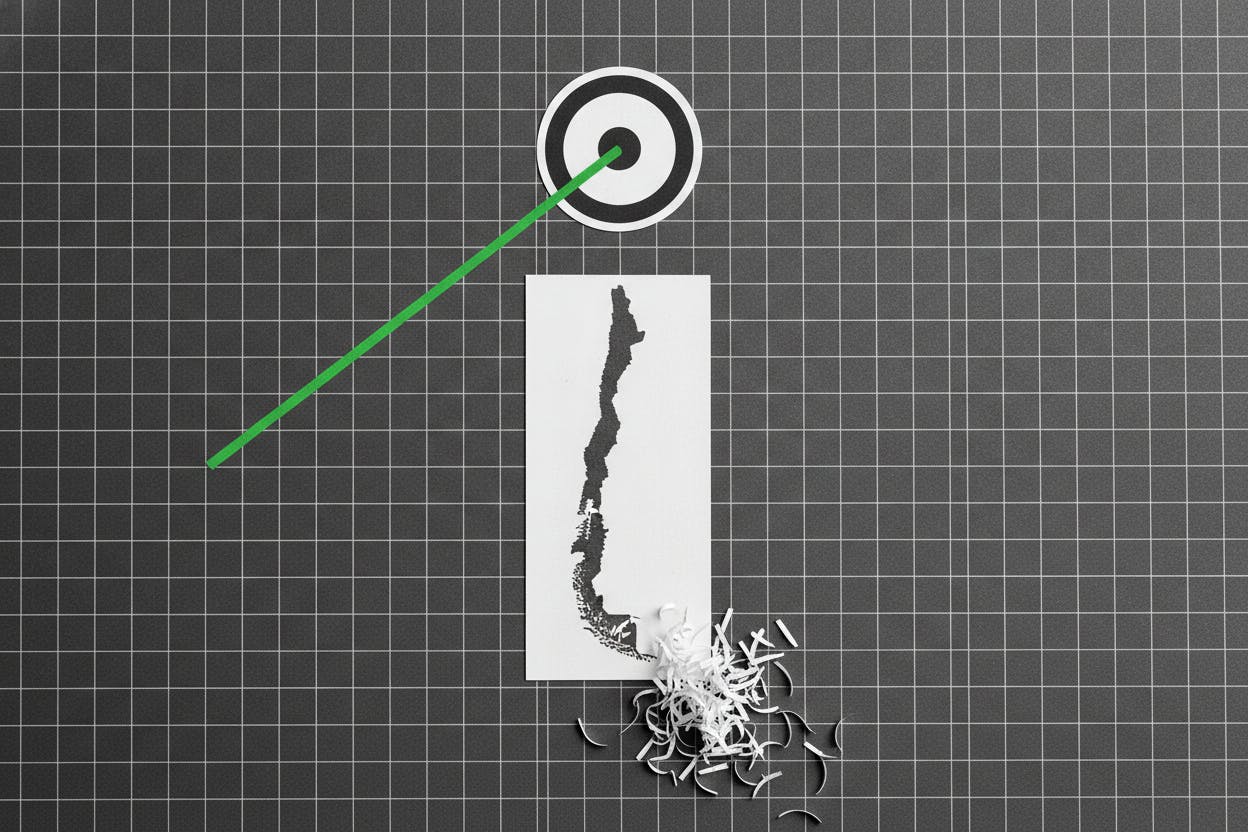
Chile's central bank has again lowered its economic growth forecast for this year, but it is holding firm on its timeline for bringing inflation back to target. The bank now expects the economy to expand by just 0.25% to 0.75% in 2025, down from its previous range of 1% to 1.75%. That marks the second downward revision in as many quarters, following a cut in June.
Why growth keeps getting marked down
The central bank pointed to several factors behind the weaker outlook. Household and business spending have been softer than expected, and weather-related disruptions could hit a number of sectors in the third quarter. Mining output, a key pillar of Chile's economy, has also been weaker.
These headwinds have weighed on activity even as the bank left its forecast for next year unchanged at 2% to 3%. That suggests policymakers see the current slowdown as largely temporary, with growth expected to pick up once the disruptions fade and domestic demand stabilises.
Chile is the world's largest copper producer, and mining is a major driver of its economy. When copper prices fall or output dips, the effects ripple through government revenue, corporate earnings and employment. The bank's reference to weaker mining output is a reminder of how exposed the country remains to commodity cycles.
Inflation path unchanged
Despite the softer activity, the central bank kept its forecast that inflation will return to its 3% target in the second quarter of next year. That is a notable stance: usually, weaker growth would be expected to pull inflation down faster, but the bank appears to see other forces at play.
It said weaker domestic demand is helping to cool price pressures, but that likely isn't enough to bring inflation down more quickly. External factors, such as energy costs and global supply chains, may be keeping inflation stickier than the domestic slowdown alone would suggest.
For everyday investors, the key takeaway is that the central bank is not rushing to cut interest rates just because growth is slowing. It is prioritising its inflation mandate, which means borrowing costs could stay higher for longer than some might hope. That has implications for mortgage rates, business loans and the attractiveness of Chilean assets.
What it means for investors
For investors with exposure to Chile, the revised growth forecast is a signal that the near-term economic environment remains challenging. Companies tied to domestic consumption, such as retailers and banks, may continue to feel pressure if household spending stays weak. On the other hand, exporters and firms with overseas revenue could be less affected.
The central bank's decision to keep its inflation timeline unchanged suggests it is comfortable with the current policy stance. If inflation behaves as expected, the next move in interest rates could come later rather than sooner. Investors will be watching upcoming inflation data and any further signs of weakness in the labour market or mining sector.
Chile's situation is not unique. Several central banks across Latin America and beyond are grappling with the same tension between supporting growth and controlling inflation. The Czech central bank's recent signal that it can hold rates steady reflects a similar balancing act. And with oil prices returning to $100, imported inflation remains a risk for many economies.
For now, Chile's central bank is betting that patience will pay off. It is willing to accept slower growth this year in exchange for a more orderly return to its inflation target. That is a classic central bank trade-off, and it means investors should brace for a period of subdued economic activity before conditions improve.
As always, the outlook could change. If growth deteriorates more than expected, the bank may be forced to reconsider its inflation timeline. But for now, the message is clear: inflation control comes first.