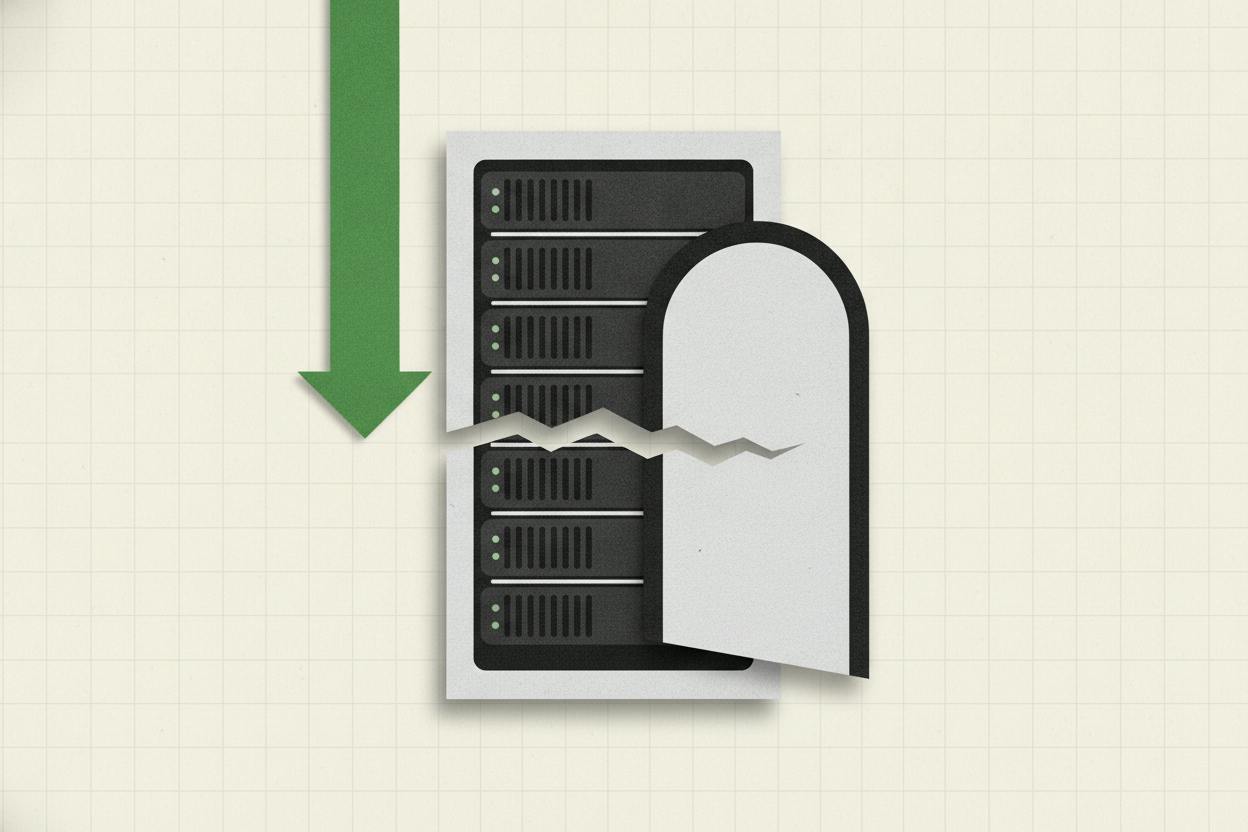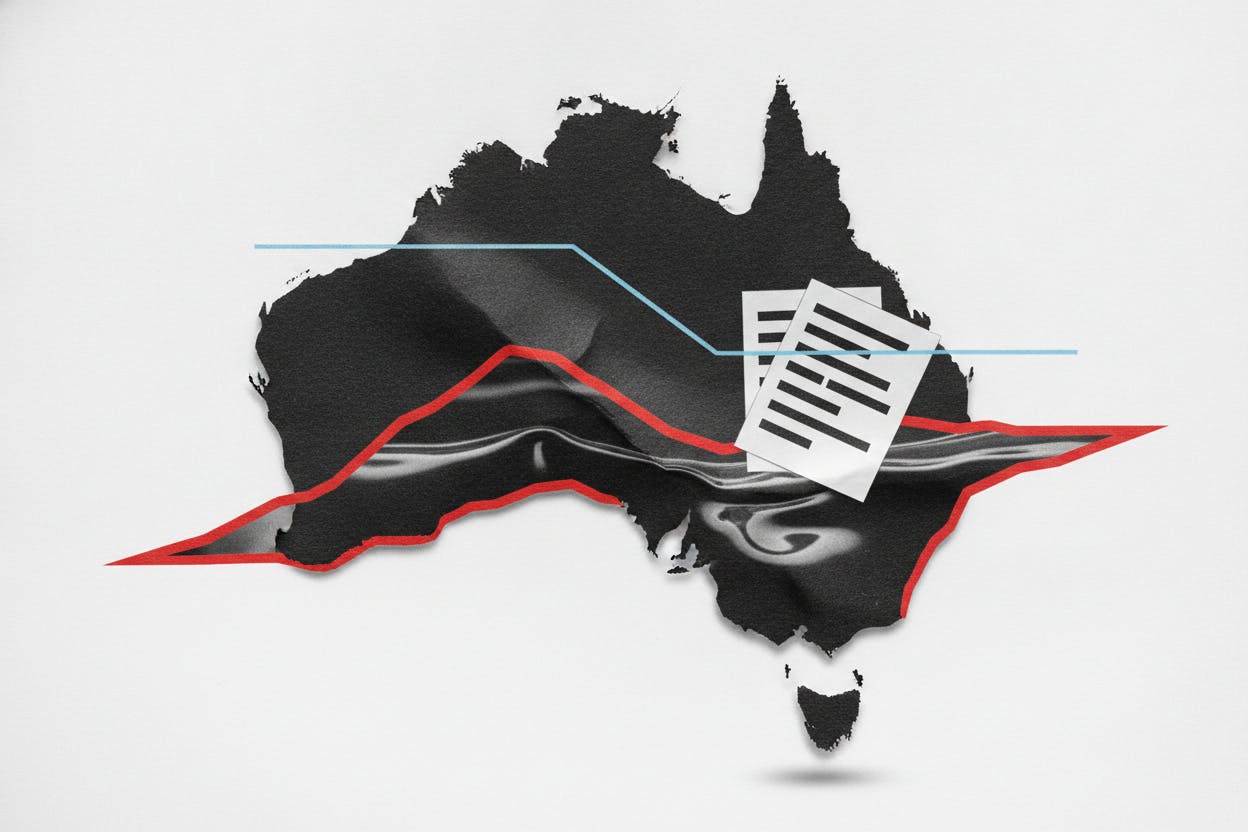
Australia's benchmark share index started the week on a soft note, with the ASX 200 slipping 0.3% on Monday. The decline was led by losses in the banking and mining sectors, as investors turned their attention to a heavy week of corporate earnings reports.
The market's cautious mood comes as companies begin to reveal how they have coped with rising costs linked to the five-month-long Iran war. With the conflict dragging on, many businesses have faced higher energy prices, supply chain disruptions, and increased input costs. This earnings season is being closely watched for signs of how those pressures are showing up in profit margins and outlooks.
Oil prices ease, but caution remains
There was some relief for markets after oil prices fell, following reports that US President Donald Trump held off on another attack on Iran. That move eased fears of a wider escalation in the Middle East, which had been a key driver of oil price spikes in recent months.
Lower oil prices can be a positive for many companies, particularly those that rely heavily on energy inputs, such as airlines, manufacturers, and transport firms. However, the relief was not enough to lift the broader market, as other concerns weighed on investor sentiment.
Miners hit by iron ore weakness and Fortescue write-down
Mining stocks were among the biggest drags on the ASX 200. Iron ore prices weakened, which pressured the major miners. Adding to the sector's woes, Fortescue slid after flagging a $525 million write-down. The company's announcement highlighted the challenges facing the iron ore industry, which has been grappling with softer demand and volatile prices.
For investors, the write-down serves as a reminder that commodity prices can be unpredictable, and that mining companies' earnings can be significantly affected by swings in global demand and pricing.
Banks edge lower
Major banks also moved lower on Monday, contributing to the index's decline. The banking sector is often seen as a bellwether for the broader economy, and its weakness can reflect concerns about slowing growth or rising costs. With the Iran war adding to global economic uncertainty, banks may face headwinds from higher funding costs or weaker loan demand.
What it means for investors
For everyday investors, this week's earnings reports will provide valuable insights into how Australian companies are navigating a challenging environment. The key question is whether businesses have been able to pass on higher costs to customers without losing sales, or whether their profit margins are being squeezed.
Companies that can manage cost pressures effectively may be rewarded by the market, while those that disappoint could see their share prices fall. It's also worth noting that the Iran war's impact is not limited to energy prices. It can affect global trade, consumer confidence, and the outlook for interest rates, all of which have implications for investment portfolios.
As the earnings season unfolds, investors should pay attention to company guidance and management comments about the future. These can offer clues about how long cost pressures might persist and whether companies expect conditions to improve or worsen in the coming months.
While the ASX 200's slip on Monday was modest, it reflects the broader uncertainty that has gripped markets. The combination of geopolitical tensions, commodity price volatility, and the start of earnings season creates a complex picture for investors. Staying informed and focusing on long-term fundamentals remains a prudent approach.
For those looking to track the broader market's performance, the ASX 200's moves this week will be a key indicator of investor sentiment. As earnings reports come in, they will provide a clearer picture of the health of corporate Australia and the challenges it faces.
In the meantime, the easing of oil prices offers some hope that the worst of the energy-driven cost pressures may be behind us. But with the Iran war still ongoing, the situation remains fluid, and investors should be prepared for continued volatility.