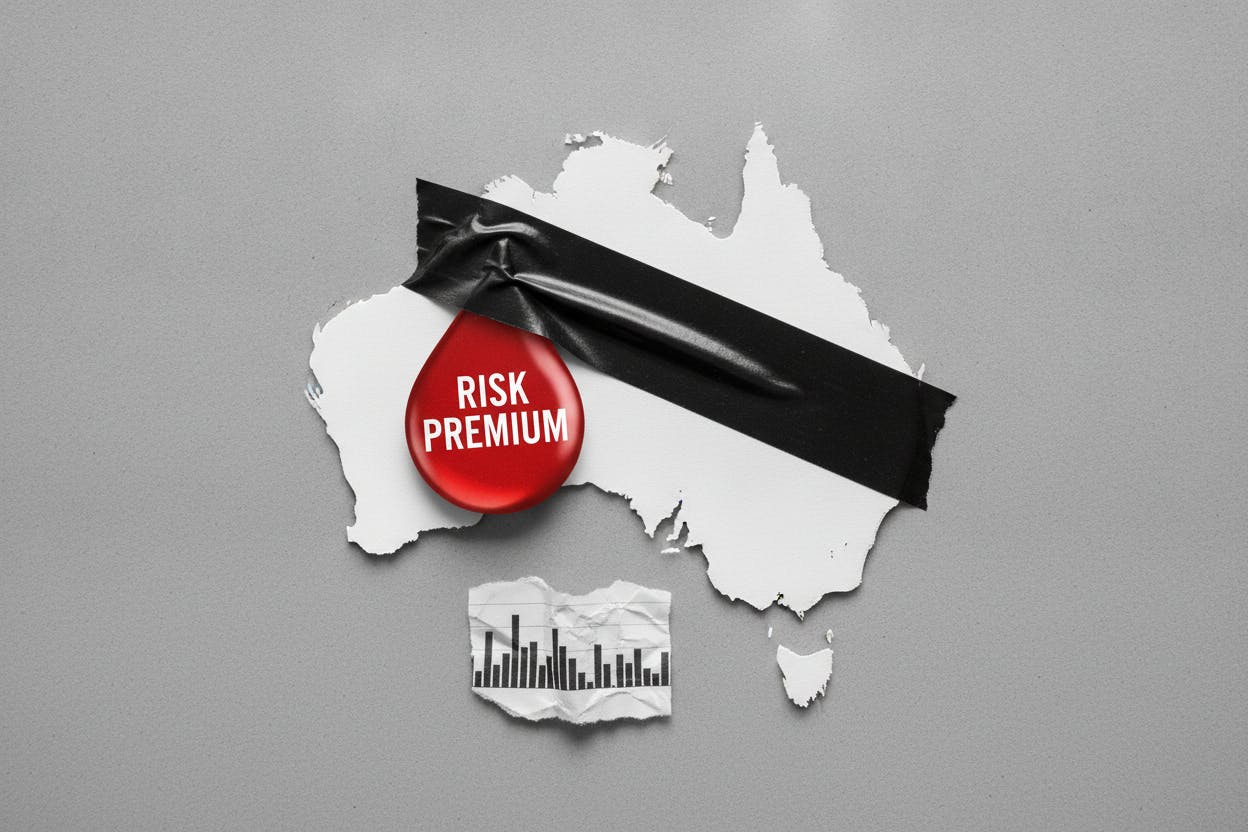
Australian shares are expected to open lower on Thursday, tracking a decline on Wall Street, as rising tensions near the Strait of Hormuz keep oil prices elevated and investors cautious. The benchmark ASX is set to give back some of the gains from earlier in the week, with energy and materials sectors likely to be in focus.
What's driving the caution?
The immediate trigger is a drop in US stocks on September 4, which weighed on sentiment globally. But the bigger story is the geopolitical risk around the Strait of Hormuz, a narrow waterway that handles about a fifth of the world's oil supply. Any disruption there can quickly push crude prices higher, which feeds into inflation and can hurt economic growth.
Adding to the pressure, OPEC and its allies decided to keep oil production steady for October, rather than increasing output as some had hoped. That decision, combined with the threat of supply disruptions in the Gulf, has kept oil prices firm. Higher energy costs are a double-edged sword for Australia: they boost the profits of local energy exporters, but they also raise fuel prices and input costs for businesses, which can weigh on consumer spending and corporate margins.
What does this mean for investors?
For everyday investors, the key takeaway is that oil prices are a barometer for global risk. When they spike, markets tend to get jittery because higher energy costs can squeeze household budgets and slow economic activity. That's part of why the ASX is expected to open lower today.
But not all sectors are affected equally. Energy companies, such as Woodside and Santos, often benefit from higher crude prices. On the other hand, airlines, transport firms, and retailers that rely on shipping could see their costs rise. Investors should watch how these sectors move in the coming days.
The situation also has a broader regional angle. Gulf shipping fears have already pushed oil above $95, and traffic through the Strait of Hormuz has dropped, a sign that the risk is being taken seriously by the market. If the situation escalates, expect more volatility in energy prices and equities.
What to watch next
Investors will be keeping an eye on any news from the region, as well as on oil inventory data and any comments from OPEC officials. Domestically, ANZ data showing Australian card spending stalled in August suggests consumers are already feeling the pinch, which could be exacerbated by higher fuel prices.
There's also a central bank angle. The US Federal Reserve has signalled it may be patient on rate hikes, which has supported markets recently. But if oil prices keep climbing, that could reignite inflation fears and force central banks to keep rates higher for longer. Australian shares had been set to rise on Fed patience, but the oil shock is now overshadowing that optimism.
The bottom line
For now, the ASX is bracing for a lower open, but the bigger question is how long the Hormuz tensions last. If they fade, oil prices could retreat and markets could recover. If they escalate, expect more turbulence. As always, diversification and a long-term perspective are your best defences against short-term geopolitical shocks.



