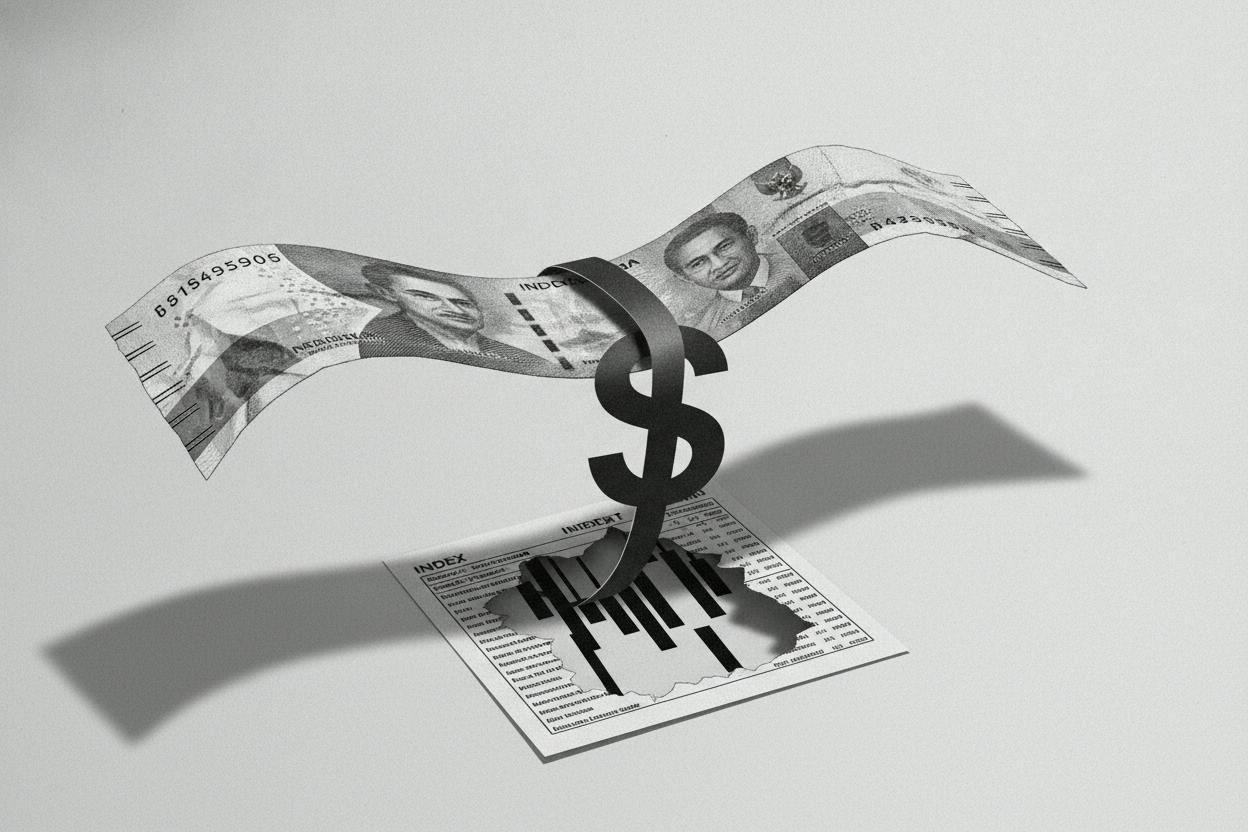
The Australian dollar slipped to a seven-month low near $0.6834 on [day], while the New Zealand dollar hovered close to a 19-month trough. The moves come as the US dollar continues to flex its muscles, drawing global capital toward American assets.
For everyday investors, currency swings like these are more than just numbers on a screen. They affect the price of overseas holidays, online subscriptions, and even the cost of imported goods. Here's a closer look at what's happening and why it matters.
Why the Aussie is falling
Currency moves are often less about the country whose currency is falling and more about the one whose currency is rising. In this case, the US dollar is the star. When US interest rates look likely to stay higher for longer, holding dollars becomes more attractive because it pays more. Global money tends to flow toward the US, away from smaller, risk-sensitive currencies like the Australian and New Zealand dollars.
Reuters noted $0.6834 as a key level for the Australian dollar. If it breaks below that and stays there, traders may look to the next area where the currency previously stabilized, which can add to downward momentum. Technical levels like these often act as psychological markers, and a break can trigger further selling.
Local central banks also play a role. A more cautious tone from the Reserve Bank of Australia can narrow the expected gap between Australian and US interest rates, making the Aussie less attractive on a relative basis. When investors expect lower returns in Australia compared with the US, they're less inclined to hold Australian dollars.
Stocks didn't help either. When markets turn "risk-off"—meaning investors prefer safer assets—currencies tied to global growth often weaken, while the US dollar can catch a bid. Recent volatility in equity markets, including a slip on the ASX as miners fell, reflects that cautious mood.
What it means for your money
When the Aussie or kiwi weakens against the US dollar, anything priced in dollars effectively costs more in local currency. You need more AUD or NZD to pay the same USD amount. You'll notice it quickly with card conversions on US trips, hotel bookings, and online subscriptions billed in dollars. It can also show up more slowly in imported goods, since many suppliers invoice in dollars.
Some companies use hedges—contracts that lock in an exchange rate for a period—which can delay price changes. But those hedges expire, so if the currency stays low for long enough, higher costs tend to filter through even if the USD sticker price doesn't change.
For investors, a weaker local currency can have mixed effects. Companies that earn revenue in US dollars, such as exporters or firms with large US operations, may see a boost to their earnings when converted back to local currency. On the other hand, companies that rely heavily on imported inputs could see margins squeezed.
If you're holding US dollar assets, a stronger greenback means your investments are worth more in local currency terms. But if you're planning to spend US dollars soon, you'll get less for your money.
What to watch next
Traders will be watching whether the Aussie can hold above $0.6834. A sustained break below that level could open the door to further declines. The broader driver remains US interest rate expectations. If US inflation stays hot, as recent data suggested, the Federal Reserve may keep rates higher for longer, which would continue to support the dollar. That scenario was highlighted in our coverage of traders betting on Fed rate hikes.
Meanwhile, the Reserve Bank of Australia's tone will be key. If it signals a more patient approach to rate cuts, the Aussie could find some support. But if the RBA sounds dovish, the currency could remain under pressure.
For now, the US dollar's strength is the dominant force in currency markets. As long as that persists, the Aussie and kiwi are likely to stay on the back foot. For everyday investors, it's a reminder that currency moves can have a real impact on your wallet, whether you're traveling, shopping online, or managing a portfolio with international exposure.
Keep an eye on how oil prices and other commodities influence the dollar, as well as broader trends in other currencies. And if you're invested in Australian shares, remember that a weaker dollar can be a tailwind for some sectors, as we noted in our market preview.