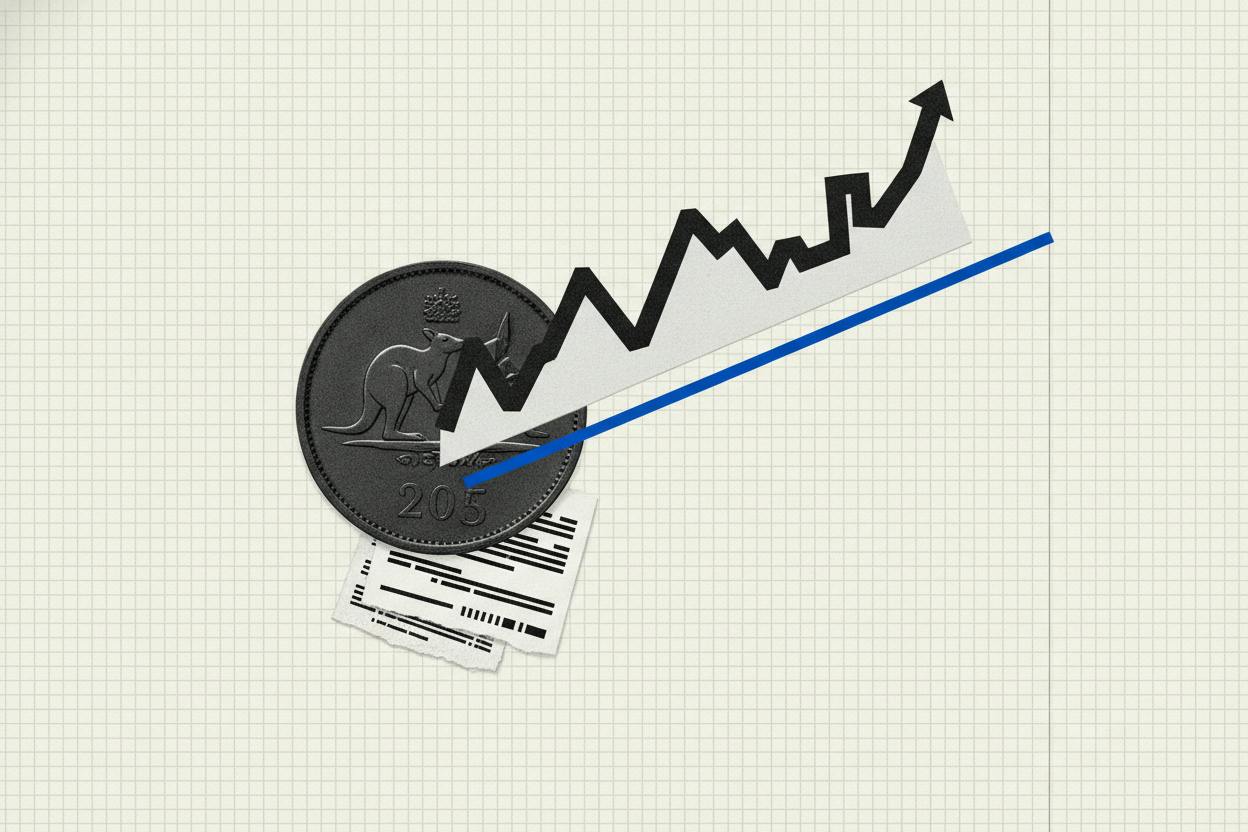
Australian households are feeling the squeeze. The ANZ-Roy Morgan consumer confidence index fell 3.4 points to 67.1 in the week of September 28 to October 4, marking the 10th-lowest reading since the survey began. The drop follows the Reserve Bank of Australia's (RBA) latest interest rate hike, which also pushed weekly inflation expectations up to 5.9%.
Consumer confidence is a measure of how optimistic people feel about their finances and the economy. Readings below 100 indicate pessimism, and 67.1 is deep in negative territory. For context, the index has only been lower a handful of times, mostly during periods of severe economic stress.
Why confidence is falling
The RBA has been raising interest rates aggressively to combat inflation, which remains well above its target range. Each hike increases the cost of borrowing for mortgages, credit cards, and business loans, leaving households with less disposable income. The latest move appears to have rattled consumers, who now expect prices to keep climbing at a faster pace.
Inflation expectations of 5.9% are particularly concerning because they can become self-fulfilling. When people expect prices to rise, they may demand higher wages or spend now rather than later, which can push inflation even higher. That, in turn, could force the RBA to keep rates elevated for longer.
The weak confidence reading is not an isolated event. Earlier this year, consumer confidence slid to 80.4 after the RBA raised rates to a 15-year high. The latest figure shows sentiment has deteriorated further since then.
What this means for the economy
Consumer confidence is closely watched because it often predicts spending behavior. When confidence is low, people tend to cut back on discretionary purchases, save more, and delay big-ticket items like cars and holidays. Since consumer spending accounts for a large share of Australia's economic activity, a sustained slump could weigh on growth.
Retailers and service providers are likely to feel the impact first. Already, there are signs that consumer-facing companies are struggling, as seen in recent earnings reports from global firms like Nike, which warned on revenue. The split between strong tech demand and weak consumer spending highlights the uneven nature of the current economic environment.
For investors, the falling confidence is a signal to be cautious about sectors that rely heavily on discretionary spending. Companies in retail, hospitality, and travel may face headwinds as households tighten their belts. On the other hand, essential goods and services, such as groceries and utilities, tend to be more resilient.
Inflation expectations and the RBA's path
The rise in inflation expectations to 5.9% is a key worry for policymakers. The RBA aims to keep inflation between 2% and 3%, and expectations running well above that range suggest the central bank may need to keep tightening. However, further rate hikes could deepen the pain for households and increase the risk of a recession.
Investors will be watching upcoming inflation data and RBA statements for clues about the future path of rates. If inflation expectations continue to climb, the RBA may feel compelled to act more aggressively, which could put additional pressure on the Australian dollar and bond yields.
Interestingly, Japan is facing a similar dynamic, with consumer confidence dipping as inflation expectations rise. This suggests that the challenge of balancing inflation control with consumer sentiment is not unique to Australia.
What it means for investors
For everyday investors, the key takeaway is that the Australian economy is under strain. Low consumer confidence often translates into weaker corporate earnings, particularly for companies that depend on consumer spending. It may also signal that the RBA's tightening cycle is far from over, which could affect everything from mortgage rates to stock valuations.
That said, not all sectors are equally vulnerable. Commodity prices have been relatively firm, with the ANZ commodity price index ticking up 0.6% in September, which supports Australia's export sector. Energy and materials stocks may continue to benefit from global demand, even as domestic consumers struggle.
Investors should also keep an eye on global markets. Australian shares often follow overseas trends, and a cooling in oil prices or a rally in US stocks can provide some support. For now, though, the mood at home remains gloomy, and that is likely to be reflected in market sentiment in the weeks ahead.
As always, it's important to remember that consumer confidence is just one indicator. It can be volatile and doesn't always predict the future. But when it falls to levels as low as 67.1, it's a clear warning sign that households are feeling the pinch—and that could have ripple effects across the economy and financial markets.