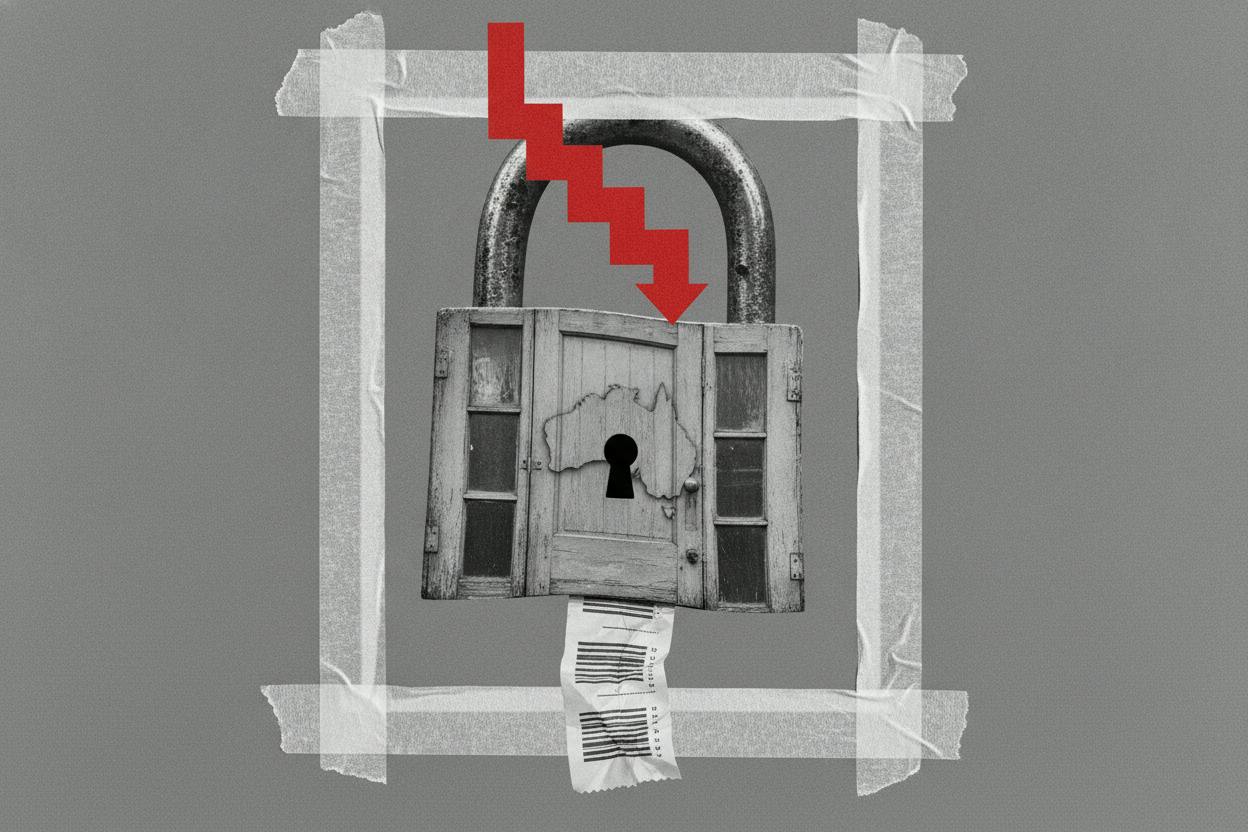
Australian households are feeling the pinch. Consumer confidence has fallen to its lowest level in four years, according to a closely watched survey, as the central bank's aggressive run of interest rate hikes continues to squeeze household budgets.
The Westpac-Melbourne Institute consumer sentiment index dropped 2.7% in November to 78.2, marking the third consecutive monthly decline. Any reading below 100 means pessimists outnumber optimists, and the latest figure shows Australians are deeply downbeat about their finances and the economic outlook.
The survey was conducted as the Reserve Bank of Australia (RBA) lifted its policy rate for the fifth time this year, taking borrowing costs to an 18-year high of 4.85%. The central bank is trying to cool inflation, but each hike makes mortgages and other loans more expensive, leaving households with less money to spend.
What's behind the gloom?
Westpac, one of Australia's biggest banks, said households remain "deeply pessimistic" and are bracing for more rate rises. The survey's details show the pain is spreading: the "good time to buy a major household item" gauge fell 3.7%, and expectations for the economy over the next 12 months slid 10.2%.
These are classic signs of a consumer under pressure. When interest rates rise, the cost of servicing debt goes up, and people naturally become more cautious about spending, especially on expensive items that can be delayed. Furniture, appliances, and cars are often the first casualties because they are big-ticket purchases, frequently funded with credit, and easy to postpone.
The RBA's rate hikes are part of a broader global trend. Central banks around the world, including the US Federal Reserve, have been raising rates to combat inflation. In Australia, the policy rate at 4.85% is the highest in 18 years, and the cumulative effect of five hikes this year is taking a toll on consumer sentiment.
What it means for investors
For everyday investors, the drop in confidence is an early warning sign. Consumer spending is a major driver of the Australian economy, and when confidence falls, spending tends to follow. That could hit companies that rely on discretionary spending, such as retailers, car dealers, and home goods sellers.
But it's not all bad news. The RBA's focus remains on inflation, and if higher rates succeed in cooling price pressures, it could eventually lead to a pause in hikes. Investors will be watching upcoming inflation data and RBA statements for clues about the future path of rates.
In the meantime, the survey suggests that the Australian consumer is feeling the strain. As consumer confidence slips to near-record lows, the risk of a spending slowdown grows. That could weigh on the broader economy and corporate earnings, even as Australian shares have shown resilience in recent sessions.
For investors, the key takeaway is to watch how consumer-facing companies perform in the coming months. If confidence stays low, expect to see more cautious guidance from retailers and other discretionary businesses. On the other hand, if inflation cools and the RBA stops hiking, sentiment could recover, providing a tailwind for consumer stocks.
As always, it's important to remember that consumer confidence is just one indicator. It can be volatile and doesn't always translate directly into spending. But when it falls to a four-year low, it's worth paying attention to what it says about the health of the Australian economy.