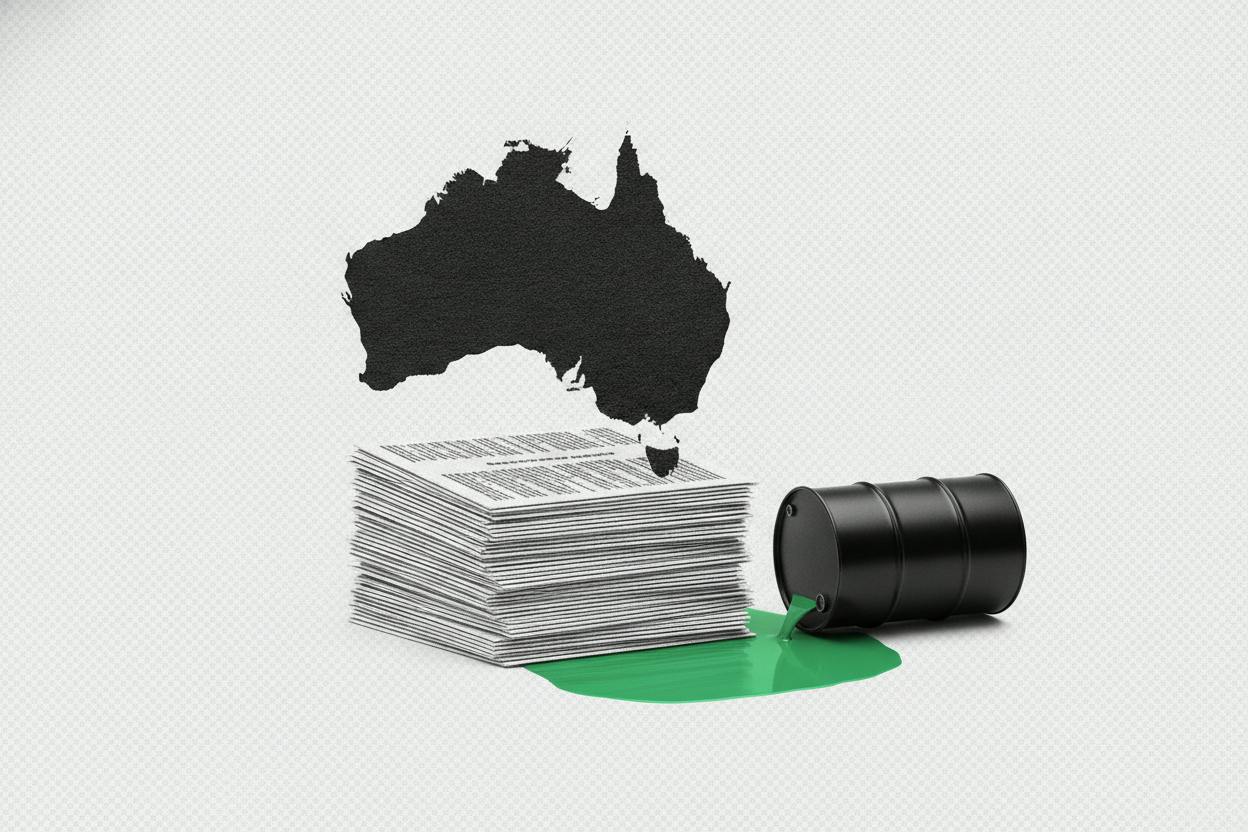
Australian stocks are expected to open higher on Thursday, tracking a strong session on Wall Street and a slide in oil prices after US midterm elections delivered a divided Congress. The mood shift comes as investors bet that political gridlock in Washington will limit the scope for dramatic policy changes, easing a key source of uncertainty for markets.
Overnight, the S&P 500 climbed 1.6%, the Nasdaq added 1.4%, and the Dow Jones jumped 3%, according to the source brief. The rally was broad-based, with investors welcoming the prospect of fewer surprises on taxes, spending, and regulation. Lower oil prices added to the relief, as cheaper energy can cool inflation worries and reduce pressure on central banks to keep interest rates high.
Why a split Congress matters for markets
When no single party controls both the White House and Congress, the ability to push through sweeping legislation is sharply reduced. Investors often interpret this as a recipe for policy gridlock, which can shrink the range of possible economic outcomes. With fewer "tail risk" scenarios—such as sudden tax hikes or major spending cuts—markets tend to demand a lower risk premium, which can lift asset prices.
This dynamic played out clearly in the US overnight. The S&P 500's 1.6% gain is a reminder that markets can sometimes welcome gridlock as a stabilising force. The same logic has been reflected in other markets, with European stocks hitting a two-month high on the back of the election outcome.
For Australian investors, the connection is indirect but real. When global risk appetite improves, rate-sensitive parts of the ASX—such as technology, property, and other long-duration stocks whose cash flows are weighted toward the future—often benefit the most. After Wednesday's 0.6% slide to 8,834.50, the setup is there for a relief bounce if the calmer tone holds.
Local catalysts: trade data and earnings
Beyond the overseas lead, Australian traders have their own events to digest. The country's international trade in goods report is due at 11:30 am Sydney time, which will give a fresh read on export and import activity. Economists watch this data for clues on the health of the trade sector and its contribution to economic growth.
Earnings season is also in full swing. National Australia Bank, one of the "big four" lenders, reported fiscal 2026 cash earnings of AU$2.285 per share on net operating income of AU$22.01 billion, compared with AU$2.304 and AU$20.81 billion a year earlier. The slight dip in per-share earnings comes as the bank continues to navigate a competitive lending environment and rising funding costs. For context, NAB's results follow a broader trend in the banking sector, where profit pressures have emerged as bad-debt provisions rise.
Media group News Corp also reported its fiscal first-quarter results, posting adjusted earnings of $0.28 per share on revenue of $2.28 billion, up from $0.22 and $2.14 billion in the same period last year. The improvement reflects strength in its digital real estate and book publishing segments, though the company continues to face headwinds in its news media division.
What it means for investors
For everyday investors, the key takeaway is that political events can move markets, but not always in the way you might expect. A divided government is often seen as a brake on radical policy shifts, which can reduce uncertainty and support share prices. That said, the effect is rarely permanent, and other factors—such as inflation, interest rates, and corporate earnings—will continue to drive returns over the longer term.
The drop in oil prices is also worth watching. Cheaper energy can ease cost pressures for businesses and households, potentially supporting consumer spending and profit margins. However, it can also signal weaker global demand, which would be a negative for commodity-exposed economies like Australia.
As always, it's important to keep a long-term perspective. Short-term market moves based on political headlines can be noisy, and trying to time entries and exits is rarely a winning strategy. Instead, focus on building a diversified portfolio that can weather different scenarios.
For those looking at the ASX, the immediate focus will be on whether the local market can sustain a bounce. If the global risk-on mood persists, rate-sensitive sectors could see a lift. But investors should also keep an eye on the trade data and the ongoing earnings season for signs of underlying strength or weakness.
In the meantime, the broader backdrop remains one of cautious optimism. With inflation still above central bank targets in many countries, the path for interest rates is uncertain. But for now, the combination of political gridlock and falling oil prices has given markets a reason to cheer.