Baidu's artificial intelligence chip division, Kunlunxin, is preparing for a Hong Kong initial public offering that could value the company at roughly $50 billion, according to a report from The Information. The unit, which started as an internal project to design chips for running AI software, is now pitching itself to investors as a standalone business—but with an unusual condition attached.
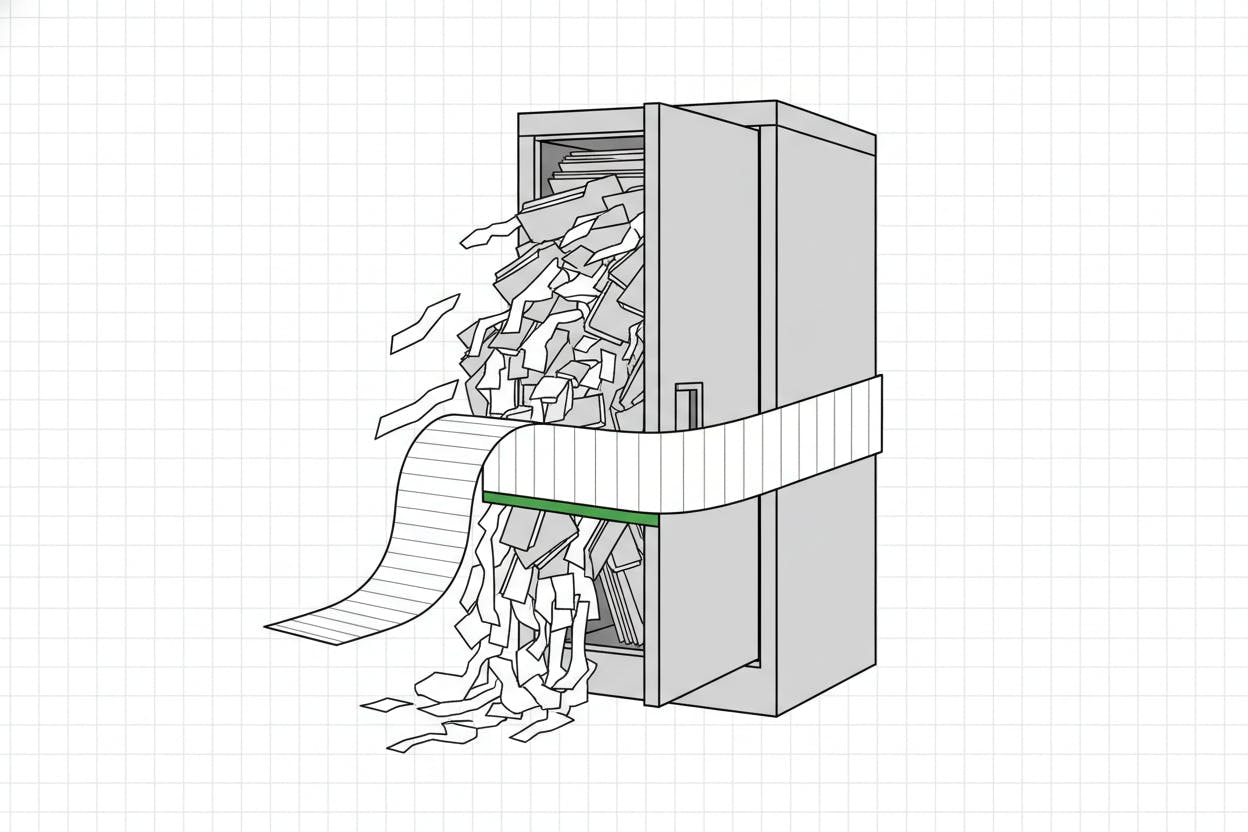
Prospective IPO buyers are reportedly being asked to also purchase Kunlunxin chips worth three to seven times the value of the shares they want to buy. In other words, part of the "demand" for the stock would come bundled with pre-committed product orders. This structure could make near-term revenue look more predictable for a unit that has mostly sold to Baidu and has only expanded external sales over the past two years.
What is Kunlunxin?
Kunlunxin designs semiconductors specifically optimized for artificial intelligence workloads, such as training large language models and running inference tasks. The chips compete with offerings from global players like Nvidia, though Kunlunxin's products are primarily aimed at the Chinese market. The unit was spun out of Baidu in 2021, though Baidu retains control.
The company said in January that it had confidentially filed for a Hong Kong listing. The IPO comes at a time when China is pushing hard for technological self-reliance, particularly in semiconductors and AI, as export controls from the U.S. limit access to advanced chips. The Chinese government has been channeling capital toward domestic chip and AI players, creating a favorable backdrop for Kunlunxin's listing.
The IPO structure: Demand or obligation?
The reported requirement that IPO buyers also commit to chip purchases is unusual. Typically, investors evaluate a company's financials, growth prospects, and competitive position before deciding to buy shares. Here, the allocation of stock is tied to a separate commercial agreement to buy hardware.
If the condition is easy to meet, Kunlunxin can show evidence that buyers want its hardware beyond Baidu, helping investors frame the listing as a growth story with early commercial traction. But if orders only appear because they are effectively required to get stock, investors may treat that "demand" as deal-driven rather than product-driven. That distinction can weigh on how credible the valuation looks and how the company is priced once trading starts.
For context, other companies have used similar tactics. For example, Hub International filed confidentially for a US IPO valued at $29 billion, but without such purchase requirements. The Kunlunxin approach is more reminiscent of how some Chinese tech firms have structured listings to signal demand, though it remains rare in major IPOs.
What it means for investors
A $50 billion valuation is ambitious for a unit that has only recently begun selling chips to customers outside its parent company. Kunlunxin's revenue history is largely tied to Baidu, making it difficult for outside investors to assess standalone demand. The chip-purchase requirement could be an attempt to demonstrate that external customers are willing to pay for the hardware, but it also risks creating an impression that the IPO is being propped up by artificial demand.
Investors will want to scrutinize the IPO prospectus carefully when it becomes public. Key questions include: How much of Kunlunxin's revenue comes from external customers versus Baidu? What is the gross margin on chip sales? And how many of the chip orders tied to the IPO are from new customers versus existing ones?
The broader backdrop matters too. China's semiconductor sector has seen a wave of listings as the government encourages domestic chip companies to raise capital. However, valuations have been volatile, and some IPOs have struggled to maintain their initial pricing. For everyday investors, the Kunlunxin IPO offers a chance to gain exposure to China's AI chip push, but the unusual structure warrants caution.
As with any IPO, the real test comes when trading begins. If the stock rises and holds its value, the chip-purchase requirement may be seen as a clever marketing tactic. If it falters, the same condition could be viewed as a red flag. Investors should watch for the final prospectus and analyst coverage before making any decisions.