Cerebras Systems, the AI chipmaker known for its unusually large processors, raised its 2026 revenue and margin forecasts on Tuesday, citing strong demand for its data-center inference chips and its cloud business tied to OpenAI. The update signals that the company's bet on a less-glamorous but rapidly growing slice of the AI market is paying off.
What's driving the upgrade
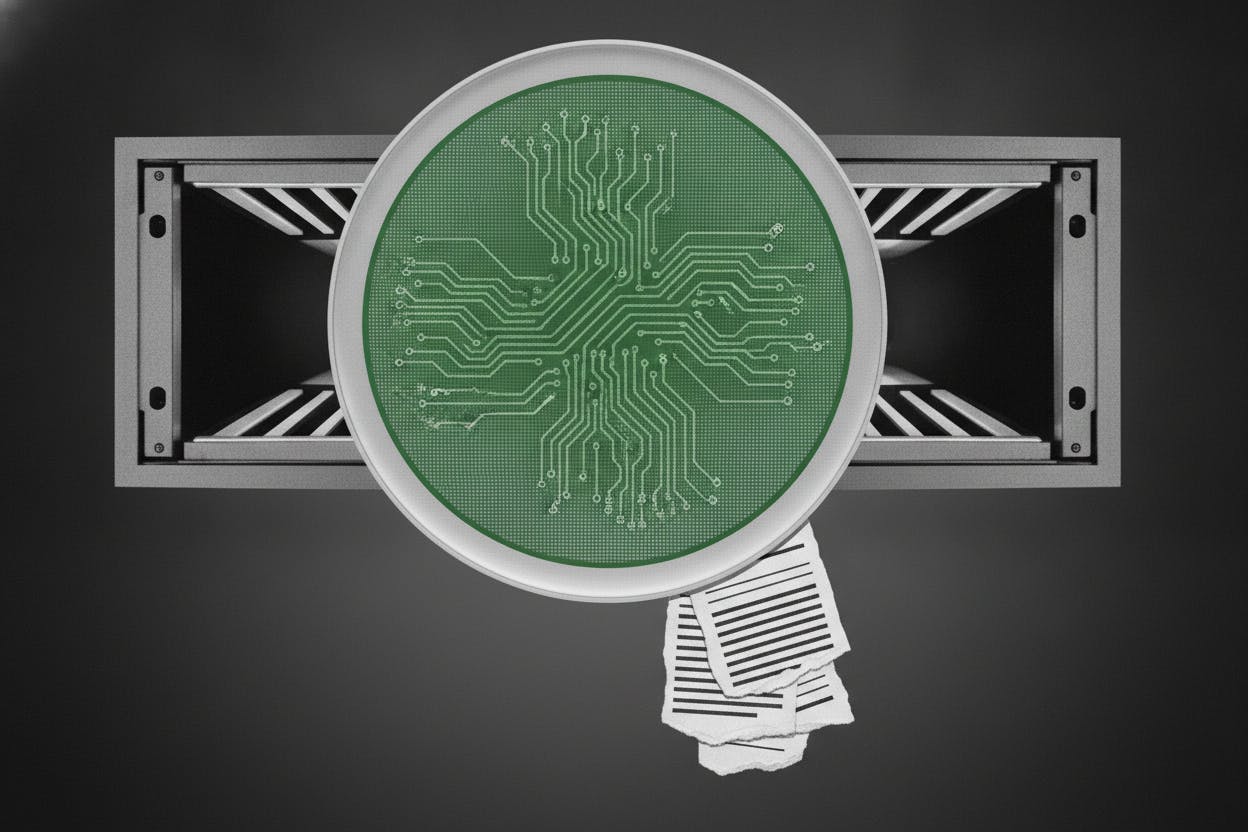
Cerebras builds what it calls a wafer-scale engine — essentially one giant chip carved from an entire silicon wafer, roughly the size of a dinner plate. That design contrasts sharply with the approach of Nvidia, which sells systems built from many smaller chips linked together.
The company's revised outlook reflects two tailwinds. First, demand for inference — the "answering" work a model does when a user prompts a chatbot or an AI tool — is accelerating as businesses move from training models to actually using them. Second, Cerebras's cloud business, which includes a partnership with OpenAI, is expanding as customers rent its hardware rather than buy it outright.
Inference is becoming the next battleground in AI. Training a model is a one-time, compute-heavy task, but inference happens every time someone uses the model. As AI moves into everyday products, the volume of inference requests is exploding, and companies are looking for chips that can handle that workload efficiently.
Cerebras argues that its single-chip design is better suited to inference because it keeps more data and memory close to the processors, reducing the need to shuttle information between chips. That can mean faster responses and lower energy costs — two factors that matter as AI scales.
How it fits into the AI chip race
The AI chip market is still dominated by Nvidia, whose GPUs have become the default choice for training large models. But a wave of challengers — including Cerebras, AMD, and a host of startups — is trying to carve out niches, particularly in inference, where the performance requirements differ.
Cerebras's wafer-scale approach is unusual. Instead of packaging many chips together, it builds one enormous chip that can hold more memory and process more data in parallel. That design has drawn attention for its potential to speed up certain workloads, though it also presents manufacturing and cost challenges.
The company's link to OpenAI is a notable vote of confidence. OpenAI, the creator of ChatGPT, is one of the most influential players in AI, and its use of Cerebras hardware in its cloud business suggests the chipmaker can win business from the industry's biggest names.
Investors have been watching Cerebras closely since its earlier forecast raises and its ongoing efforts to compete with Nvidia. The company's updated numbers come as the broader AI infrastructure boom shows no signs of slowing, with major tech firms and cloud providers spending heavily on data centers.
What it means for investors
For everyday investors, the key takeaway is that the AI boom is broadening beyond the training phase. Companies that can serve the inference market — whether through chips, cloud services, or software — could see sustained demand as AI applications become more widespread.
Cerebras's raised forecasts are a positive signal, but they come with caveats. The company is still much smaller than Nvidia, and its wafer-scale technology is unproven at massive scale. Competition is intense, and the AI chip market is notoriously cyclical, with boom-and-bust potential.
Investors should also consider the broader context. The AI infrastructure buildout is a major theme across markets, with companies like Nvidia raising billions to fund AI projects. That spending is creating opportunities for suppliers and competitors alike, but it also raises questions about sustainability if demand cools.
For those watching the sector, the next thing to look for is how Cerebras's financials evolve. The company's ability to maintain or improve margins while scaling its cloud business will be a key test. Its partnership with OpenAI could be a growth driver, but it also ties its fortunes to a single customer.
As always, no single forecast guarantees future performance. But Cerebras's update is a reminder that the AI chip race is far from settled, and that the winners may be determined not just by who builds the fastest training chips, but by who can serve the growing demand for inference efficiently.