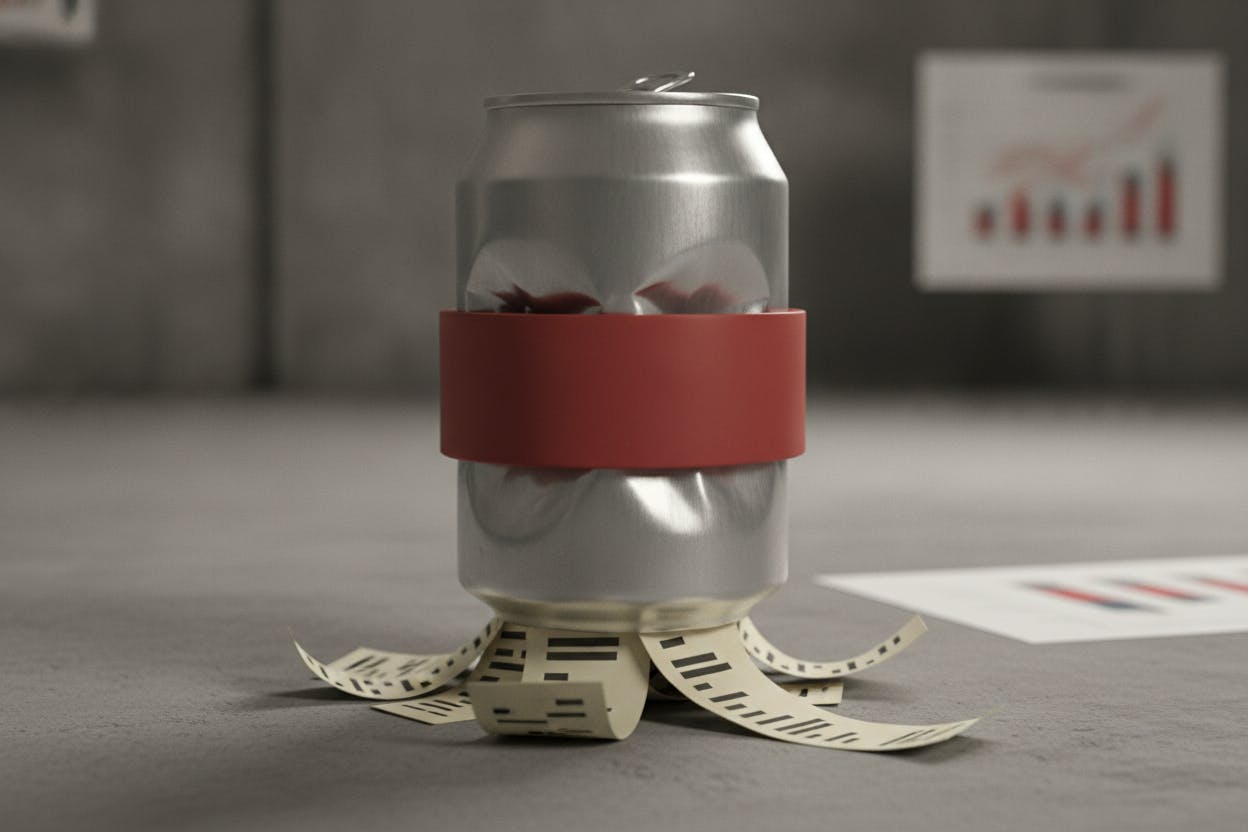
Ball, one of the world's largest makers of aluminum beverage cans, delivered a quarterly earnings beat on Tuesday, as global shipments of its core product rose 4.3% despite a new 15% US tariff that is adding to its cost base. The result suggests that demand for canned drinks—from soda to beer to sparkling water—remains resilient even as the company absorbs higher input costs.
What happened
The packaging giant reported results that topped Wall Street's expectations, driven by stronger-than-expected volume growth in its aluminum can business. Shipments rose 4.3% globally, a sign that beverage makers and consumers are still reaching for cans, which are lightweight, infinitely recyclable, and increasingly preferred by environmentally conscious brands.
At the same time, Ball is dealing with a 15% tariff on aluminum imports into the US, a policy that raises the cost of the raw material it uses to make cans. Tariffs are typically paid by the importer, and companies like Ball often try to pass those costs on to customers through higher prices. But passing on costs isn't always immediate or complete, so tariffs can squeeze profit margins in the short term.
Why it matters
Ball's ability to beat estimates despite the tariff pressure is notable. It suggests that the company has some pricing power—meaning it can raise prices without losing too many orders—and that demand for cans is holding up even in a slower economic environment. That's a positive signal for the broader packaging sector, which is often seen as a defensive corner of the market because people keep buying beverages regardless of the economic cycle.
The 15% tariff is part of a broader trade policy that has raised costs for many manufacturers. For Ball, the impact is direct because aluminum is its main raw material. The company has said in the past that it works with customers to adjust pricing over time, but the timing of those adjustments can lag behind cost increases.
Investors will be watching how Ball manages this cost pressure in the coming quarters. If it can continue to raise prices or find efficiencies, its margins could hold up. If not, the tariff could eat into profits, even if volumes stay strong.
What it means for investors
For everyday investors, Ball's report is a reminder that even companies with strong demand face headwinds from policy changes like tariffs. The key question is whether a company can offset higher costs through pricing or productivity gains. Ball's beat suggests it can, at least for now.
But it's worth noting that tariffs are just one of several cost pressures companies are dealing with. Recent data on US factory orders showed a slight dip, and other manufacturers have flagged similar tariff-related challenges. The broader picture is one of rising input costs across many industries, which could eventually show up in consumer prices.
Ball's performance also highlights the resilience of the beverage can market. Even as some consumer spending shifts, canned drinks remain a staple. That's a reason why packaging companies are often considered relatively stable investments, though they are not immune to cost shocks.
Looking ahead
Investors will likely focus on Ball's ability to maintain its shipment growth and manage tariff costs in the second half of the year. The company's guidance, if any, will be scrutinized for signs of margin pressure. Also worth watching is whether the tariff is temporary or becomes a longer-term feature of the trade landscape.
For now, Ball's earnings beat is a positive sign, but it doesn't erase the underlying cost challenge. As with any company facing tariff headwinds, the real test is whether it can keep profits growing while absorbing those costs. Tariff risks are a recurring theme in corporate earnings this season, and Ball's experience shows that even strong demand doesn't fully shield a company from policy changes.
In the end, Ball's story is one of resilience—but also a reminder that in today's trade environment, no company is completely insulated from cost pressures. Investors should keep an eye on how the company navigates this balance in the months ahead.