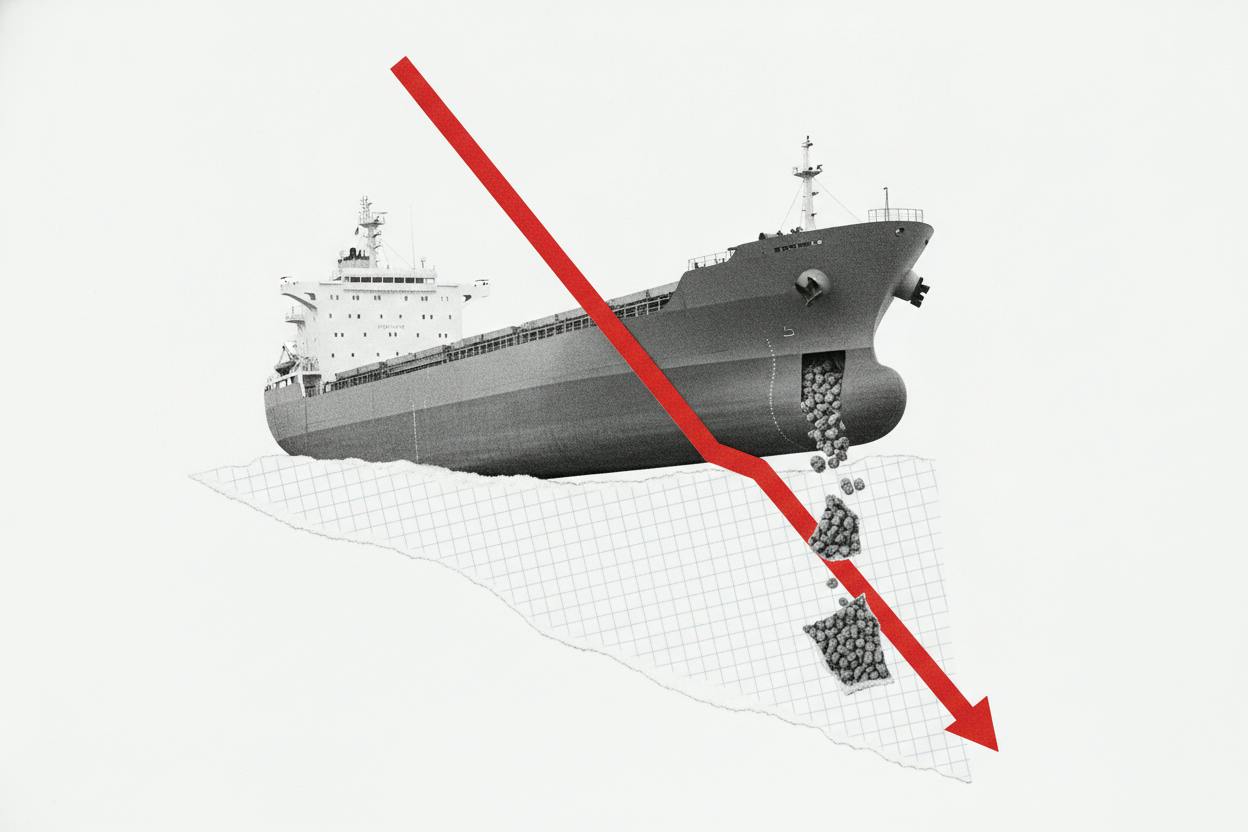
The Baltic Dry Index (BDI), a key barometer of global shipping costs for dry bulk commodities, slipped 2.19% to 2,590 on Tuesday, marking its lowest level since October 19. The decline was broad-based, with freight rates falling for capesize, panamax, and supramax vessels, signaling a cooling in demand for moving raw materials like iron ore, coal, and grain.
What's behind the slide?
The Baltic Exchange's main index is a real-time snapshot of what it costs to charter ships to carry dry bulk cargoes. Because it reflects spot pricing, the BDI can swing sharply when cargo demand cools, ship supply increases, or key commodity prices soften. This time, the weakness was felt across the board.
Capesize rates—the largest vessels that typically haul iron ore and coal—fell 3.58%, cutting average daily earnings by $1,293 to $31,148. The drop came in step with easing iron ore prices, as supply improved and demand from top buyer China remained sluggish. Chinese steel mills, the primary consumers of iron ore, have been cautious in their purchasing, weighing on the entire dry bulk complex.
Panamax rates, which cover ships that transit the Panama Canal and carry grains and smaller ore cargoes, extended a 15-session losing streak. Supramax rates also declined, though the brief did not specify the exact percentage change for those vessels.
Why it matters for investors
For everyday investors, the BDI is more than a niche shipping metric—it's a leading indicator of global economic activity. When the index falls, it often suggests that demand for raw materials is weakening, which can signal slower industrial production and trade. Conversely, a rising BDI typically points to stronger global demand.
The current slide aligns with other signals of softness in the commodities complex. Iron ore prices have been slipping as supply builds and Chinese mills stay cautious, and copper has also slipped as traders trim risk ahead of the US midterms. These moves suggest that investors are bracing for a slower global growth environment.
For those with exposure to shipping stocks or commodities, the BDI's decline could translate into lower earnings for shipping companies, as freight rates directly impact their revenue. However, it's important to remember that the BDI is notoriously volatile and can reverse course quickly if demand picks up or supply tightens.
What to watch next
Investors will be keeping a close eye on China, the world's largest importer of iron ore and coal. Any signs of a stimulus boost or a pickup in steel production could lift freight rates. Also on the radar are the upcoming US midterm elections, which could influence trade policy and commodity prices. Natural gas prices have also been slipping as oil plunges, though cold-weather bets are capping losses.
The Baltic Dry Index's decline is a reminder that global trade remains sensitive to shifts in demand and supply. For now, the trend is downward, but the shipping market is known for its sharp reversals. As always, diversification and a long-term perspective are key for investors navigating these choppy waters.