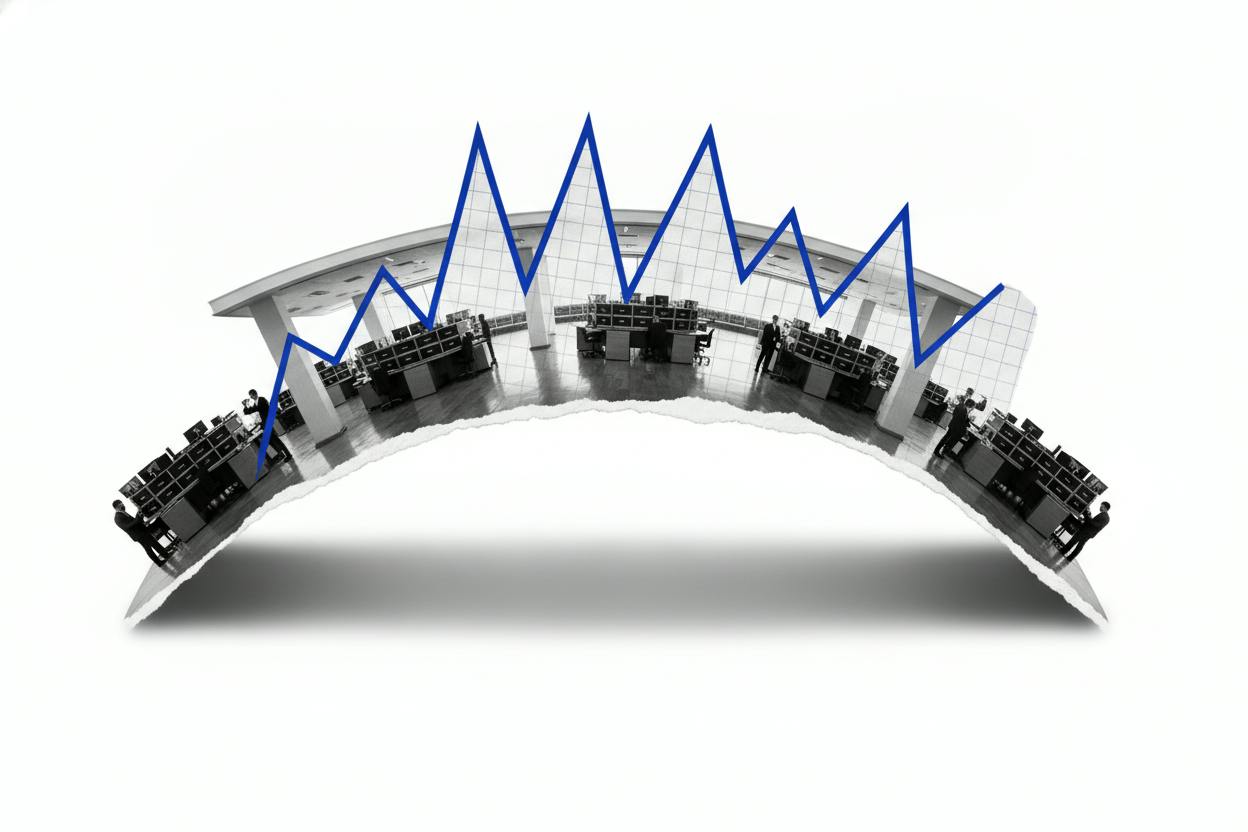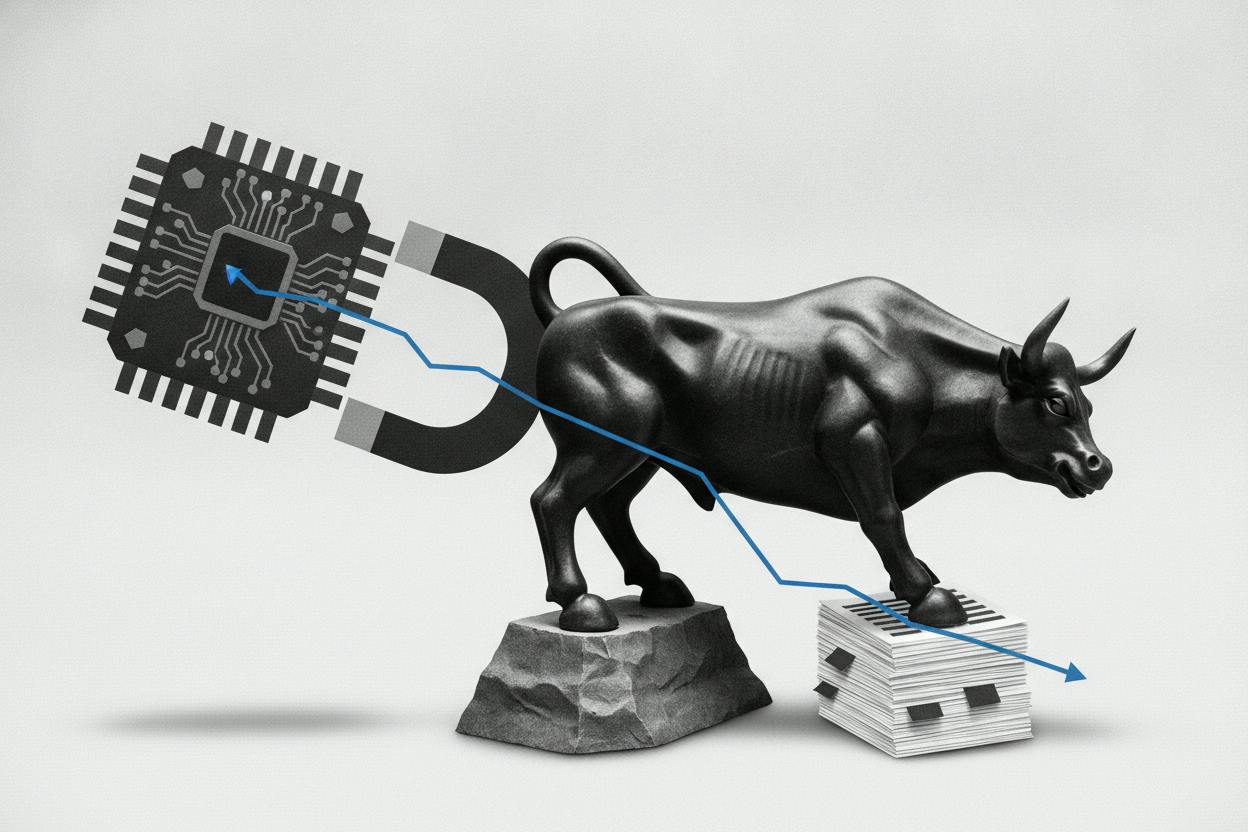
Wall Street is in a holding pattern early Tuesday, with S&P 500 futures barely moving while Nasdaq futures point lower, dragged down by another dip in semiconductor stocks. The mixed action comes as investors brace for a wave of earnings from the country's biggest banks, including JPMorgan, Wells Fargo, Goldman Sachs, and Citigroup.
Banks take center stage
The four major lenders are set to report quarterly results this week, and their numbers will likely set the tone for the broader earnings season. Banks are often seen as a bellwether for the economy because their performance reflects consumer spending, business borrowing, and overall financial health.
Investors will be looking at several key areas: net interest income, which measures the difference between what banks earn on loans and pay on deposits; loan growth; and any signs of rising defaults or credit stress. With interest rates still elevated, banks have enjoyed wider margins, but higher rates also raise the risk of borrowers struggling to repay debt.
Premarket trading showed bank shares edging up, suggesting some optimism ahead of the reports. But the gains were modest, reflecting the uncertainty that often surrounds earnings season.
Chip stocks keep sliding
On the other side of the market, semiconductor stocks continued their recent slide, pulling the tech-heavy Nasdaq lower. The weakness follows a selloff in the prior session, and it highlights how sensitive the sector has become to concerns about demand, supply, and valuations.
Chips are a critical component in everything from smartphones to data centers, and they have been a major driver of the market's gains over the past year, particularly with the boom in artificial intelligence. But that rapid rise has also made the sector vulnerable to sharp pullbacks when sentiment shifts.
Investors are now questioning whether the high expectations baked into chip stocks are justified, especially as companies ramp up spending on AI infrastructure. The recent volatility suggests that the market is trying to find a balance between optimism about long-term growth and concerns about near-term profitability.
What it means for investors
The split between the S&P 500 and the Nasdaq futures tells you a lot about what's driving markets right now. Banks are setting the tone for the broader index, while semiconductors still have the power to swing tech-heavy indexes. This tug of war is likely to continue as earnings season unfolds.
For everyday investors, the key takeaway is that earnings season is a time of heightened volatility. Stock prices can move sharply on individual company results, and the overall market can be swayed by a few big names. It's a reminder to focus on long-term goals rather than getting caught up in daily swings.
Bank earnings, in particular, offer a window into the health of the consumer and the broader economy. If the big banks report strong numbers, it could boost confidence across the market. If they disappoint, it could raise concerns about everything from loan quality to the pace of economic growth.
Meanwhile, the ongoing weakness in chip stocks is worth watching. The sector has been a major driver of market gains, and a sustained selloff could weigh on the entire tech industry. But it's also possible that the pullback is just a temporary correction after a strong run.
As the week progresses, investors will also be keeping an eye on other earnings reports and economic data. The combination of bank earnings and inflation data could be a key test for the market, especially with Treasury yields near recent highs.
For now, the market is in a wait-and-see mode. The bank results will provide the next major catalyst, and they could set the direction for the rest of the earnings season. As always, it's important to remember that short-term market moves are unpredictable, and a diversified portfolio remains the best strategy for most investors.