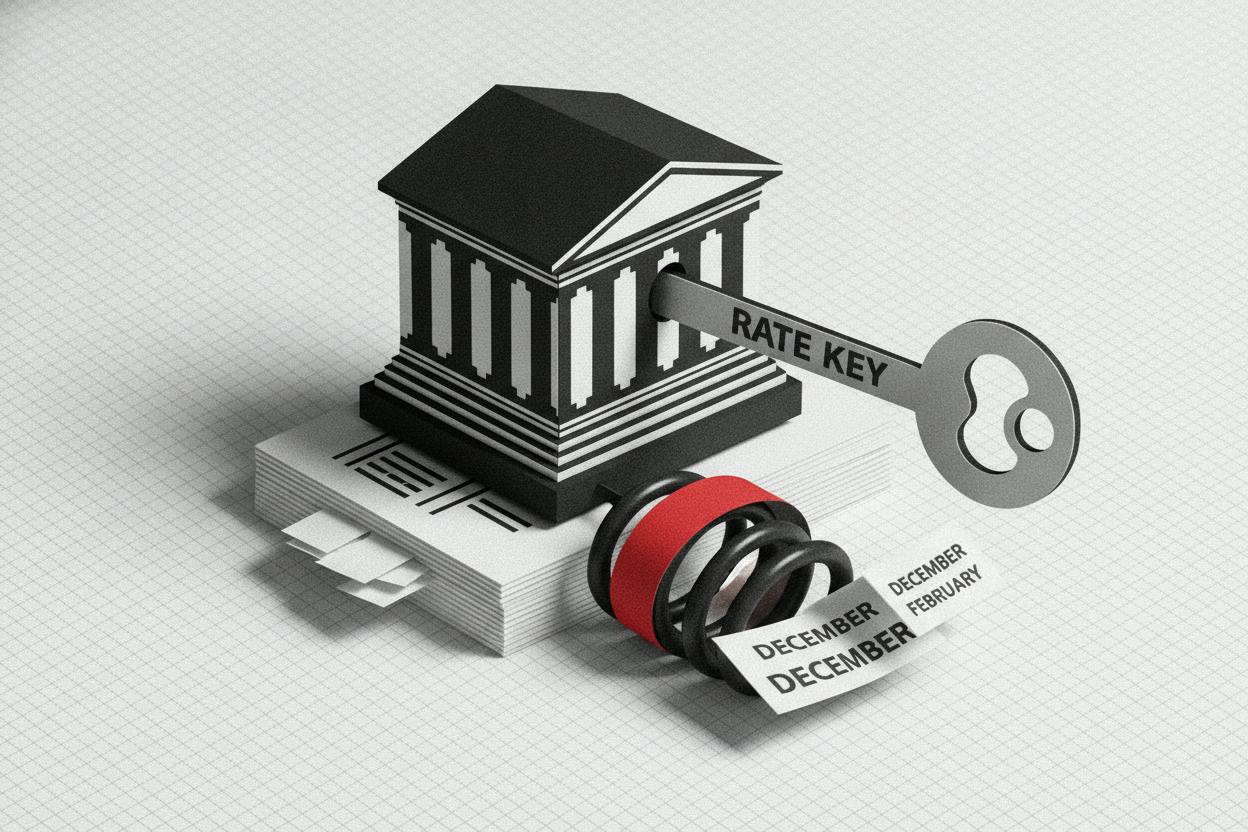
The Bank of England may not be done raising interest rates, according to one of its most senior policymakers. Deputy Governor Clare Lombardelli said on Tuesday that "persistent inflationary dynamics" are taking shape in the UK economy, and she refused to rule out another hike at the central bank's next meetings in December or February.
Speaking after the Bank's recent decision to raise its key rate to 4% from 3.75%—a move backed by eight of the nine Monetary Policy Committee members—Lombardelli stressed that "each meeting was live." That's a clear signal that policymakers are still worried about inflation and are prepared to act again if price pressures don't ease.
For everyday investors, the message is straightforward: the era of cheap money may not be over yet, and borrowing costs could keep climbing. That has implications for mortgages, savings rates, and the stock market.
What's driving the Bank's caution?
Lombardelli's comments point to a central bank that is increasingly concerned about the stickiness of inflation. While headline inflation has fallen from its peaks, the Bank is watching for signs that price rises are becoming entrenched in the economy—what economists call "persistent inflation dynamics."
These dynamics can include things like wage growth, services prices, and rent increases, which tend to adjust slowly and can keep inflation elevated even after the initial shock of higher energy costs fades. When such pressures "crystallize," they become harder to reverse without further rate increases.
The Bank's decision to raise rates to 4% was itself a sign of this concern. The 8-1 vote shows a committee that is broadly united in its hawkish stance, even as some economists argue the Bank has already tightened enough and risks tipping the economy into recession.
Lombardelli's refusal to rule out a December or February hike is notable because markets had been pricing in a pause. Her comments suggest the Bank is keeping its options open and will be guided by incoming data, especially the next inflation readings.
What it means for your money
For homeowners with variable-rate mortgages or those coming off fixed deals, the prospect of further rate hikes is unwelcome news. Higher Bank Rate typically feeds through to higher mortgage costs, squeezing household budgets.
Savers, on the other hand, may see some benefit. If the Bank raises rates again, banks often pass on the increase to savings accounts, meaning better returns on cash deposits. However, the real value of savings can still be eroded if inflation remains high.
For investors, the outlook is mixed. Higher rates tend to weigh on stock valuations, particularly for growth companies that rely on future earnings. Sectors like technology and consumer discretionary could be more sensitive to rate increases. Conversely, banks and other financial firms often benefit from wider interest margins.
The UK is not alone in this tightening cycle. Central banks around the world are grappling with similar inflation challenges. For instance, the Federal Reserve is also considering a December rate hike after a hot October CPI report, and Sweden's Riksbank has raised rates and signaled more to come. This global trend means that interest rates may stay higher for longer across major economies.
What to watch next
Investors will be closely watching the next UK inflation data, due out before the December meeting. If price pressures show signs of easing, the Bank may hold off. But if inflation proves stubborn, another hike could be on the cards.
Lombardelli's comments also highlight the delicate balancing act the Bank faces. Tightening too much could choke off economic growth, but easing too soon could allow inflation to become entrenched. The phrase "persistent inflationary dynamics" suggests the Bank is leaning toward caution—and that means the risk of further hikes is real.
For now, the message from the Bank of England is clear: don't assume rates have peaked. As Lombardelli put it, each meeting is "live," and that uncertainty itself is something investors will need to factor into their decisions.