The Bank of Korea (BOK) raised its benchmark interest rate again on [day], pushing the base rate to 3.25% as it warned that inflation is likely to stay above its 2% target for "a considerable time." The central bank also signaled that more increases could be on the way, with policymakers' projections pointing to rates between 3.50% and 3.75% by May 2027.
This is the third consecutive hike, following moves in July and August, as the BOK tries to rein in price pressures that have proven stubbornly persistent. The bank's decision reflects a delicate balancing act: it upgraded its economic growth outlook, crediting strong semiconductor exports, but it still sees inflation running hot as past cost increases feed through to everyday prices and demand pressures gradually build.
Why the Bank of Korea Keeps Hiking
The BOK is essentially fighting two battles at once. On one hand, the economy is showing signs of strength, helped by robust demand for South Korean chips and other exports. That allowed the central bank to raise its growth forecast. On the other hand, inflation remains well above the bank's comfort zone, and officials are worried that if they don't act decisively, price expectations could become entrenched.
Inflation has been a global headache, and South Korea is no exception. The BOK's own "dot chart"—a visual representation of where policymakers expect rates to go—shows most members anticipate the base rate climbing to 3.50%-3.75% by May 2027. That suggests the current 3.25% level is not the peak, and borrowers should brace for more tightening ahead.
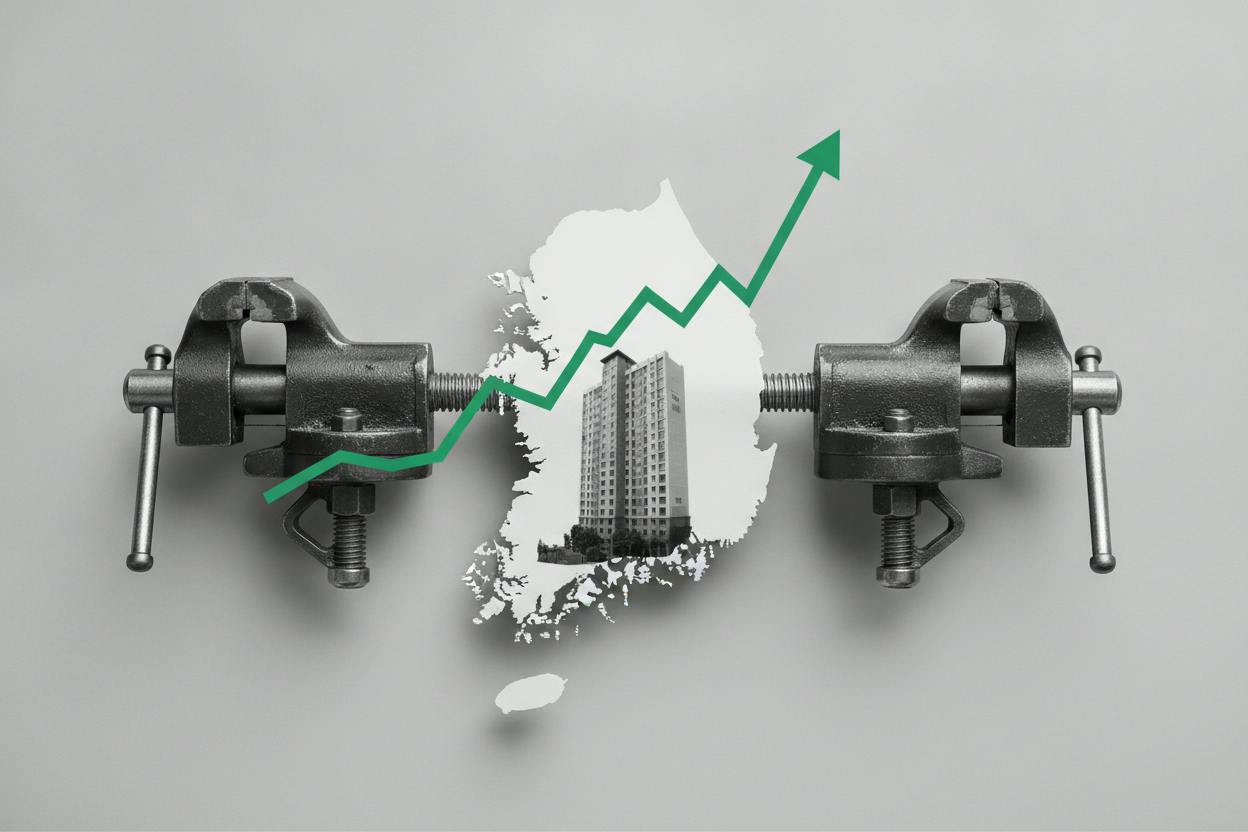
Another key concern is "financial imbalance risks," particularly in Seoul's housing market. Household debt has been rising rapidly, fueled by borrowing for homes. The BOK fears that if property prices were to fall sharply, it could create a vicious cycle: homeowners with less collateral, banks tightening lending, and consumers pulling back on spending—all of which could amplify an economic downturn.
What This Means for Your Money
Central bank rate decisions don't stay confined to the financial district. When the BOK raises its base rate, commercial banks typically reprice their loans—especially floating-rate mortgages and other variable-rate products. That means your monthly payments could go up, whether you're refinancing an existing loan or taking out a new one.
If policymakers follow through on their projected path to 3.50%-3.75% by May 2027, borrowing costs will climb even higher. That's a significant consideration for anyone with a variable-rate mortgage, a business loan, or credit card debt. Even fixed-rate loans could become more expensive when they come up for renewal.
The housing market angle adds another layer. Higher rates increase the cost of servicing debt, which can cool demand for homes. But if prices then reverse, homeowners may find themselves with less equity, and banks often respond by tightening lending standards. That can make credit harder to access, even for borrowers with solid finances.
For everyday investors, the BOK's actions have ripple effects beyond loans. Higher rates can weigh on stock valuations, particularly for growth companies that rely on cheap borrowing. Conversely, they can boost returns on savings accounts and bonds. The Korean stock market has shown resilience in the wake of the hike, but the broader trend will depend on how inflation and rates evolve.
South Korea isn't alone in this tightening cycle. Central banks across Asia and beyond are grappling with similar trade-offs. For instance, the Bank of Japan has signaled it could hike faster if inflation runs hot, while India's central bank has warned about food inflation. These global dynamics can influence capital flows and currency movements, which in turn affect Korean exporters and importers.
What to Watch Next
Investors will be watching several things in the coming months. First, will inflation actually moderate as the BOK expects? If price pressures persist, the bank may need to hike more aggressively than its dot chart suggests. Second, how will the housing market respond to higher rates? A sharp correction could force the BOK to pause or even reverse course. Third, what happens to the Korean won? A stronger currency could help tame inflation by making imports cheaper, but it could also hurt exporters.
The BOK's next move will likely depend on incoming data. If inflation surprises to the upside, a hike to 3.50% could come sooner than May 2027. If the economy stumbles, the bank might hold off. Either way, the era of cheap money in South Korea is clearly over, and both borrowers and investors need to adjust to a higher-rate environment.
For now, the message from the BOK is clear: it is determined to bring inflation under control, even if that means more pain for borrowers. As inflation remains sticky in other major economies, the global trend toward tighter monetary policy is likely to continue, and South Korea is firmly in that camp.